Deforestation
Special forests on Bunnings shelves
Find out why we've filed a complaint about Bunnings with the consumer watchdog for greenwashing.

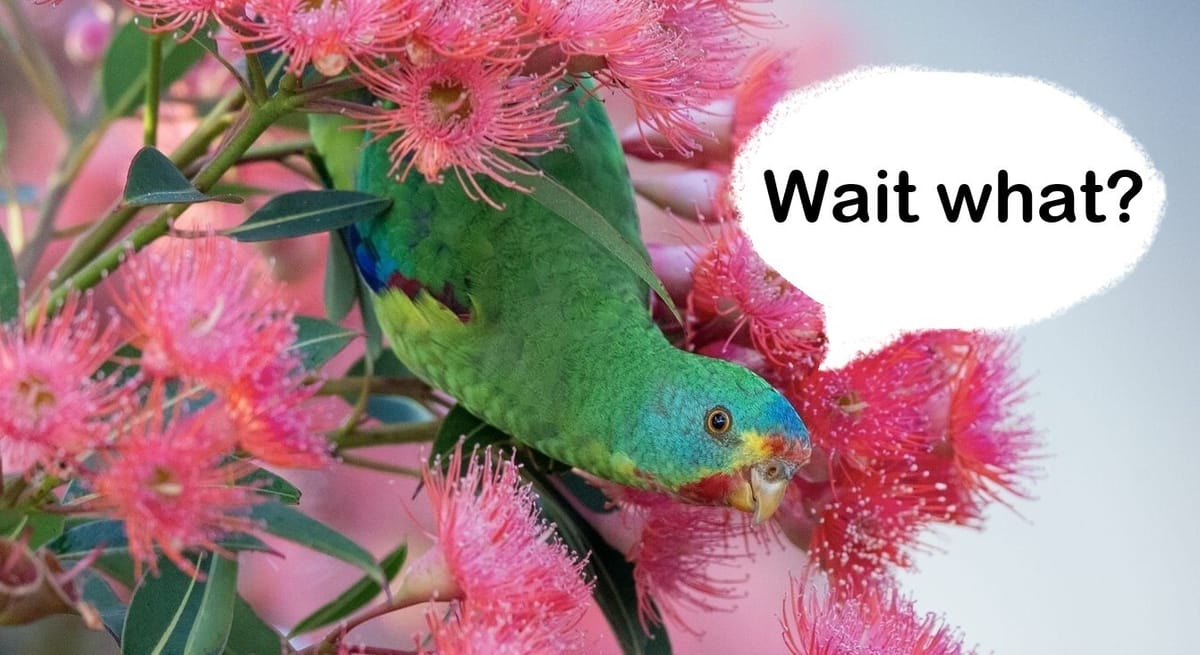
Far out, this stuff is as dry as the Munga-Thirri-Simpson Desert. But these laws could spell the end for swift parrots, so let’s get into it!
That's Australia's Environment Protection and Biodiversity Conservation Act 1999—look, it’s a Gen Z!
This is our national nature law, and until recently, it hadn’t changed much since Britney Spears burst onto the global music charts with her breakout hit …Baby One More Time.
If only Britney and our biodiversity knew what was in store for them.
Late last year, the EPBC Act started having some work done.
The federal government thinks it’s an improvement. Conservationists reckon it’s botched-as—the biggest blunder being the tweaks to these things called “bilateral agreements”.
Nicknamed ‘bilats’ for short, it turns out it’s not a muscle group that gets worked out by gym bros.
Instead, it’s more like a written deal that lets the federal government handball responsibility for decisions about nature-impacting projects to state government bros. 
What could possibly go wrong with giving states and territories more power over the environment?
It’s not like every single state and territory government in Australia has a record of committing crimes against natur—ohhh wait.
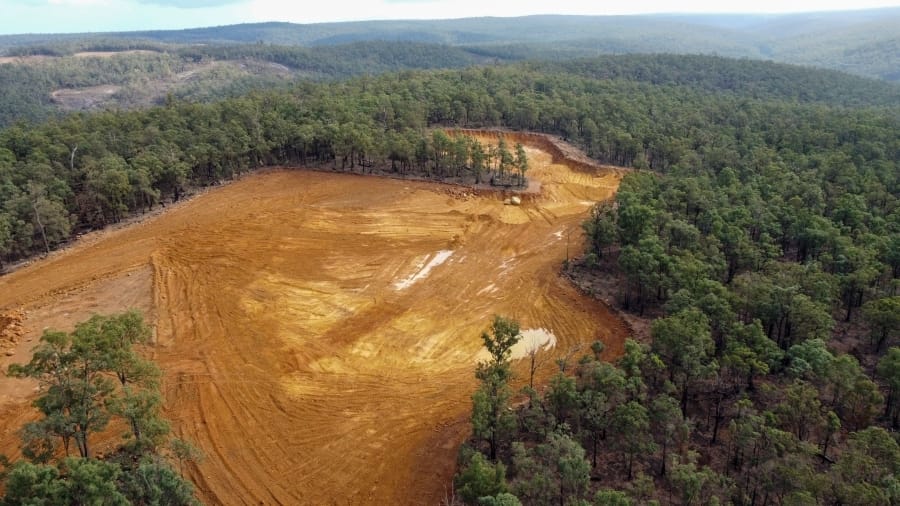
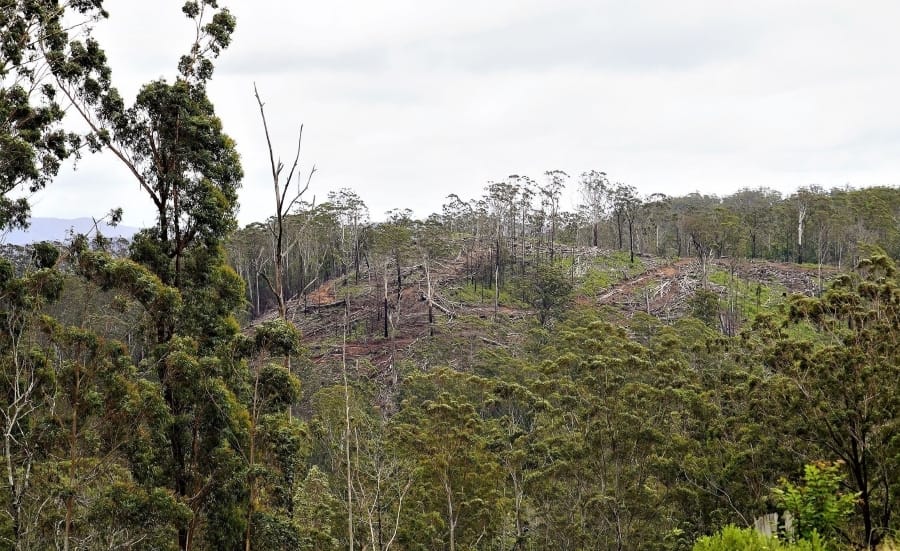
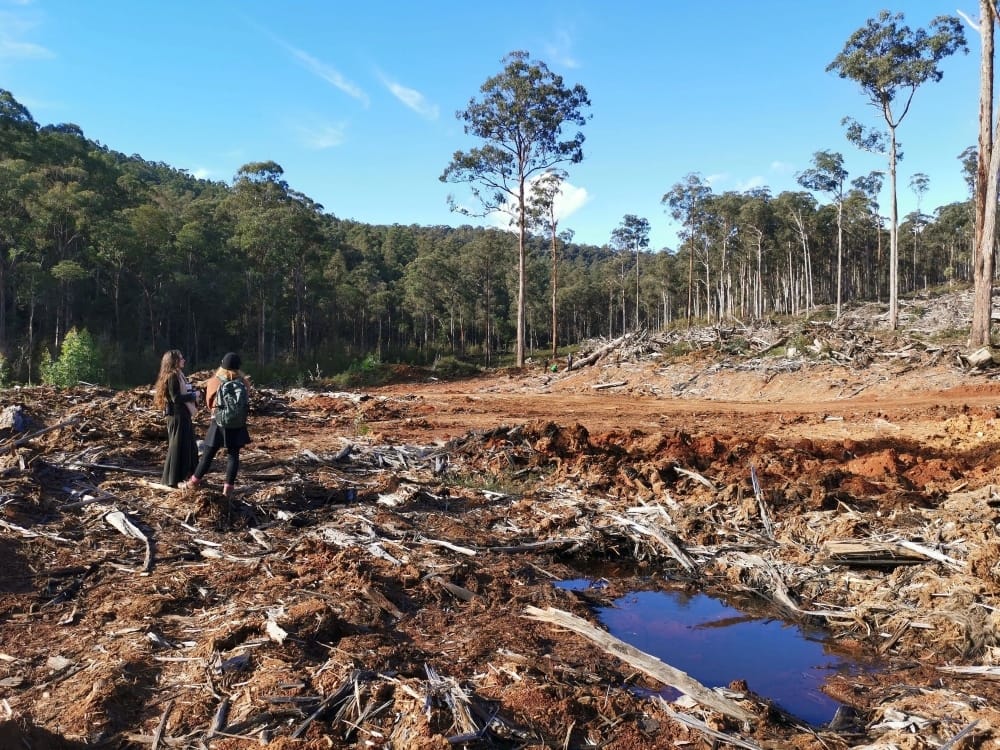
Did you know: WA overturned its own stop-work law so US-based mining giant Alcoa could keep clearing and strip-mining the jarrah forest? Normally, a company has to wait to start a project while the Environmental Protection Authority (EPA) does a formal environmental assessment—but not when the WA government is willing to step in! The Northern Jarrah Forest is one of the most biodiverse forests on Earth—a wonderland brimming with species found nowhere else. An approval bilateral for WA would guarantee even more of this irreplaceable ecosystem will be lost forever.
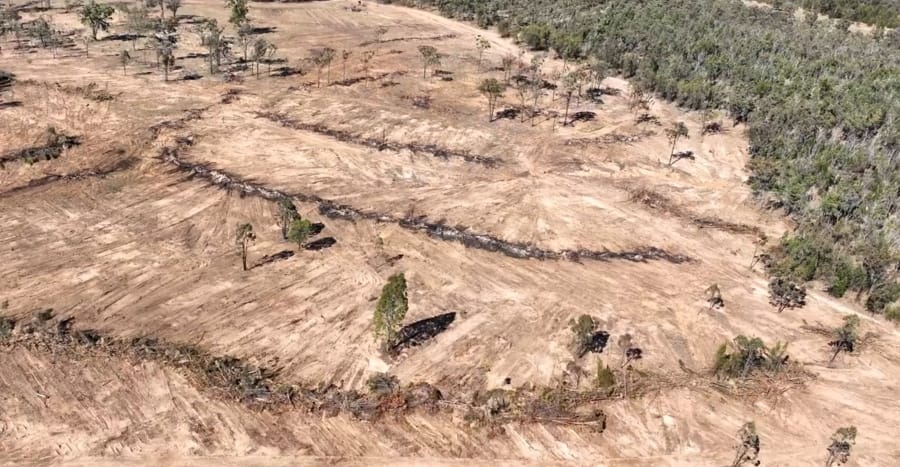
Last year, 450 hectares of forest and bushland was destroyed for beef pasture in one single bulldozing event west of Warwick in Queensland. Under state legislation, the particular vegetation type is unregulated and therefore totally fine to destroy—resident wildlife be damned! This environmental wreckage occurred in mature, mapped likely habitat of the following endangered species: koala, regent honey eater, greater glider, Australian painted snipe, macrozamia cranei (cycad plant), and grey snake. If the Australian government empowers Queensland with federal environmental approvals, threatened species habitat will continue to be wiped out to fuel beef production.
One time, contractors working for Forestry Corporation of NSW felled six giant trees and three hollow-bearing trees in Wild Cattle Creek State Forest, within the footprint of the proposed Great Koala National Park. Every one of those trees should have been protected under state law—which you think the state-owned logging corporation ought to have known? In fact, Forestry Corp had been prosecuted previously for felling trees in koala exclusion zones in the same forest. It sure doesn’t seem like the state system is working to protect nature here, and any bilateral with New South Wales would be accrediting this dodgy regime—putting ever more wildlife at risk.
In Victoria, it’s left up to those tireless volunteer community groups to actually hold state-owned agencies accountable. In 2022, the Supreme Court of Victoria ruled that logging and burning by VicForests and its contractors had likely destroyed many hundreds or thousands of mature tree geebungs. Tree geebungs are found ONLY in the Central Highlands of Victoria, and take 100-150 years to mature, so you’d think the state government would want to make some attempt to preserve them? Think again! This is what you get when you let the state government run the assessment, enforcement and approval of logging operations—expect more of the same if Victoria gets its hands on an approval bilateral.
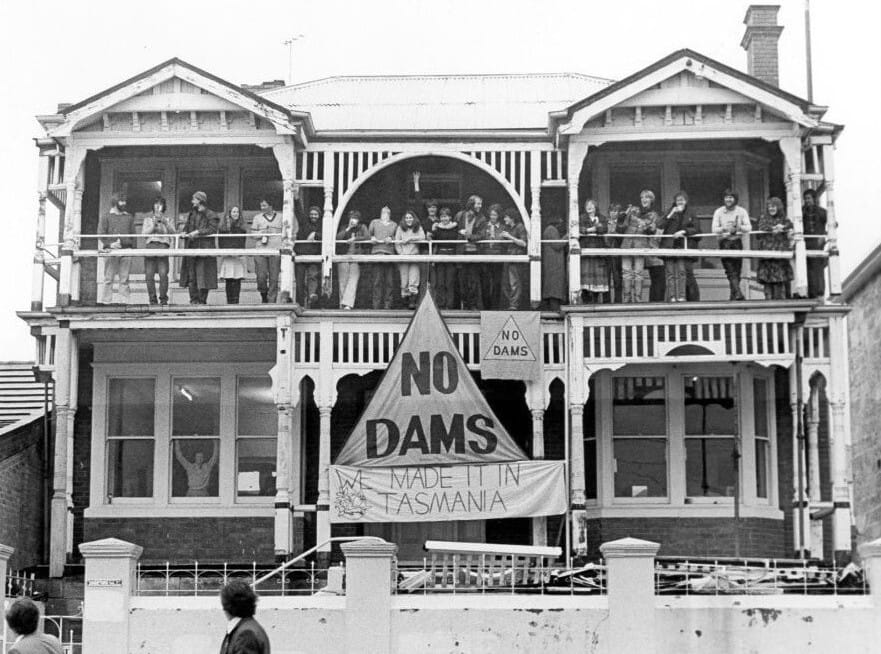
It being the Wilderness Society’s 50th year, we’ve been thinking a lot about the Franklin river campaign. Kicking off in the mid-70s, it became the largest environmental movement in Australia’s history—a fight that was finally won when the federal government intervened to shoot down the proposed dam. But imagine this: if the Tassie government had a bilateral approval in place at the time, the federal government would never have been able to step in and save the day—and one of the last free-flowing wild rivers in Lutrutwita / Tasmania could have been lost forever. We simply can’t let this become the fate of Tassie’s forests, and all the rare and precious life they contain.
But wait, it gets worse! While bilats have been around for over a decade, it’s the roided-up version that has conservationists freaked the eff out: 

Right now, all states and territories currently hold assessment bilats—but what they really want to get their hands on are those juicy, and diabolical, approval bilaterals.
This gifting of approval superpowers from federal to state governments has a name: devolution.
According to Merriam-Webster: “To devolve means to pass power…. down to someone else. It also means to slowly change or fall into a much worse state, like turning into chaos.”
A MUCH WORSE STATE.
LIKE… CHAOS.
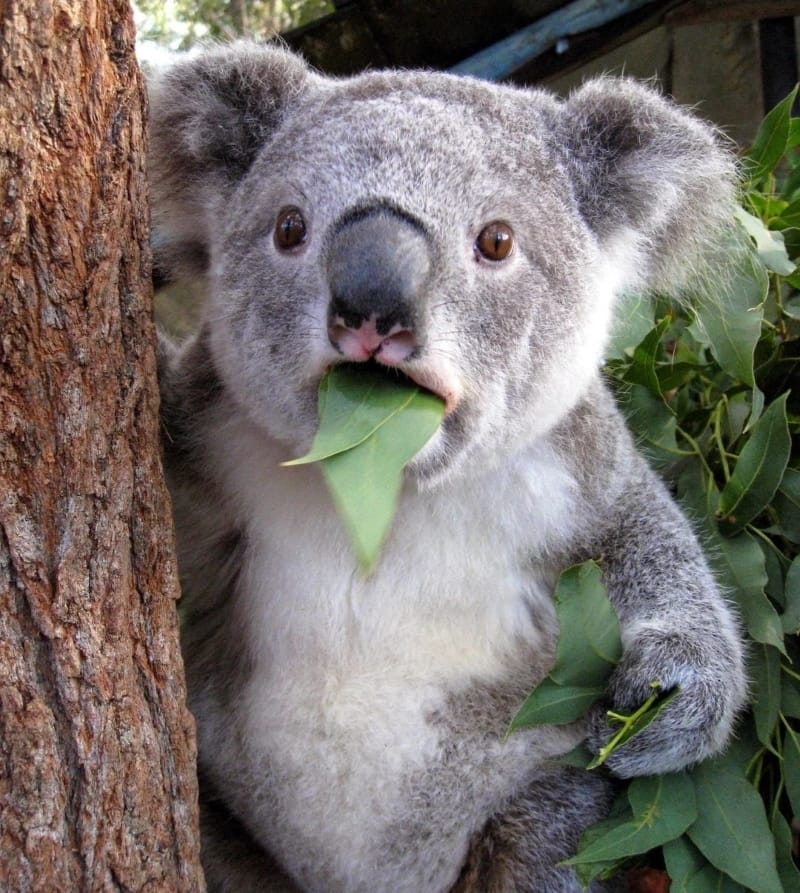
Um, I don’t recall anyone signing our wildlife and ecosystems up for that?
But what conservationists actually fear these approval bilaterals will do is lock in the sub-standard status quo.

Right now, Australia’s weak-ass nature laws mean states are busting at the seams to have their own approval bilaterals.
If the National Environmental Standards were higher, it would be too much work and responsibility for them. Hard pass.
But pathetically low standards? Where do we sign?!
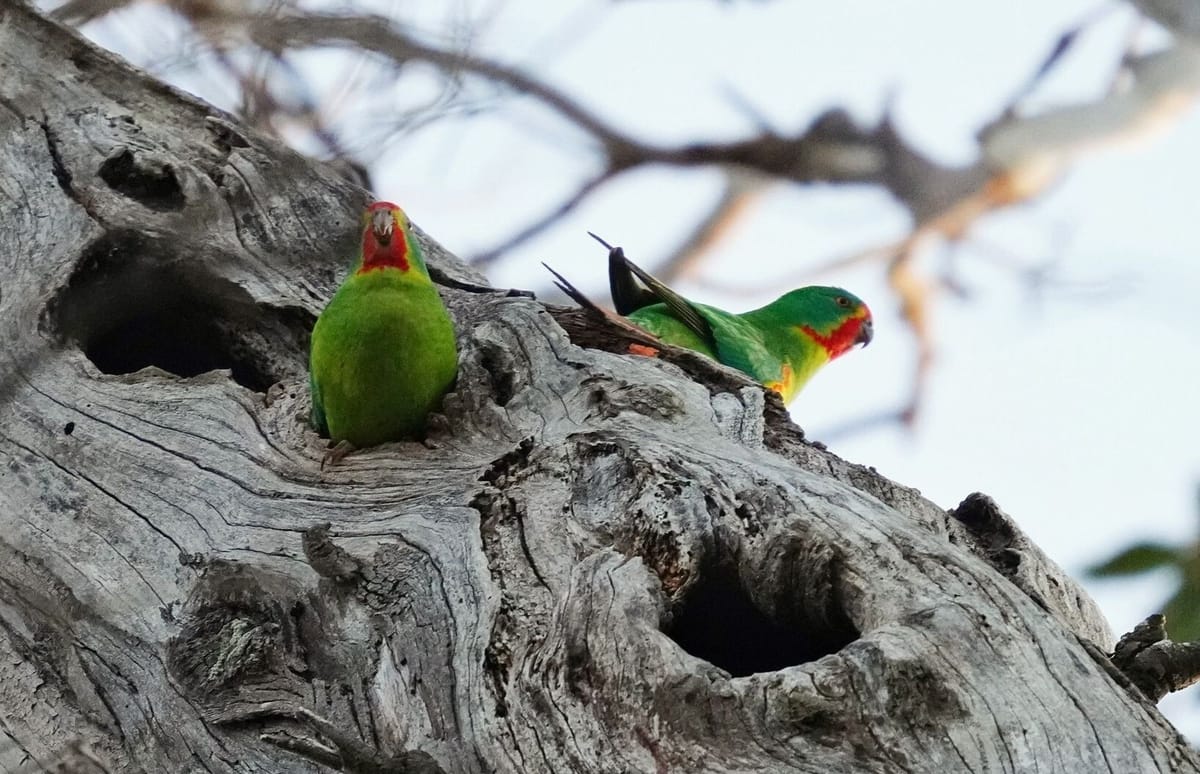
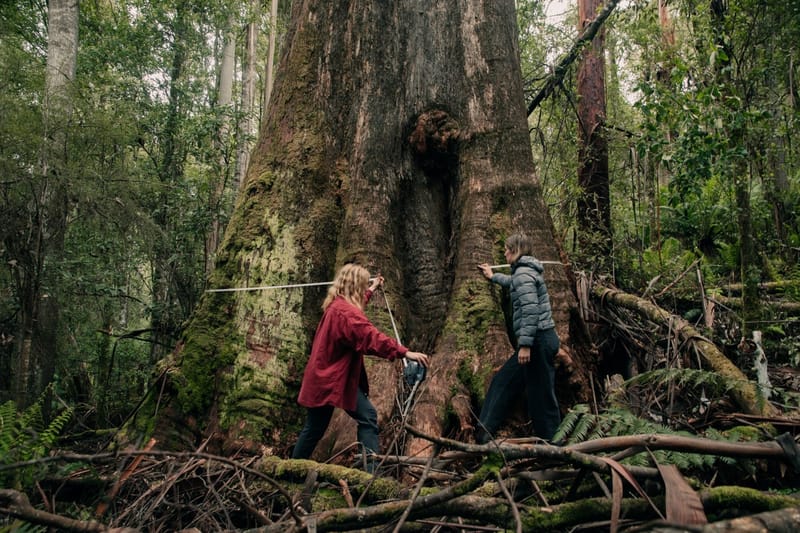
In states like Lutruwita / Tasmania, an approval bilateral would lock in the continued logging of ancient forests—the kind tourists travel to the island specifically to see—and the slow march to extinction of species like the swift parrot.
What’s that you hear? Not the rapid ‘chit-chit’ calls of Australia’s fastest and now critically endangered parrot, but the cheers and fist-bumps of industry with their state government cronies. 
Like an over-eager student, the Tasmanian government has been the first to shoot its hand in the air, wriggling its fingers desperately in the face of the federal government while mouthing pick me.
The Tasmanian government is specifically seeking a bilateral approval for its ~famously controversial~ forestry sector (because of course it is).
But do Australians really want to hand environmental approval powers to the same state which wanted to flood the Franklin river 50 years ago, and which has been wiping out swift parrot homes for the past 30-odd years?

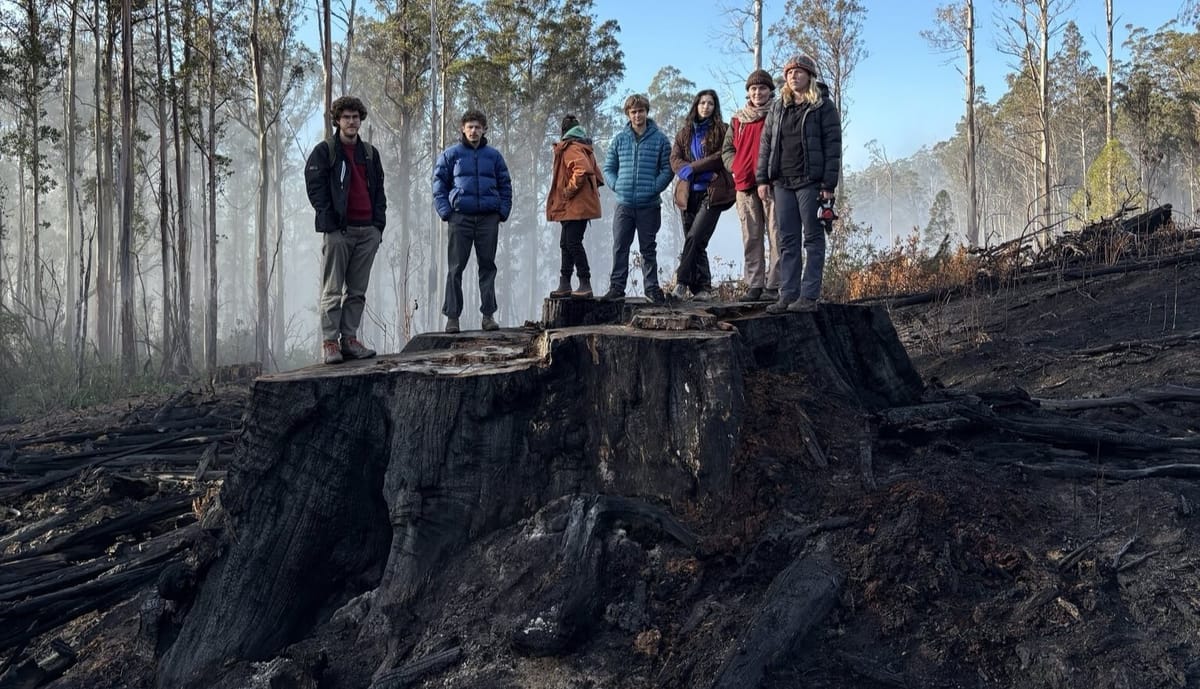
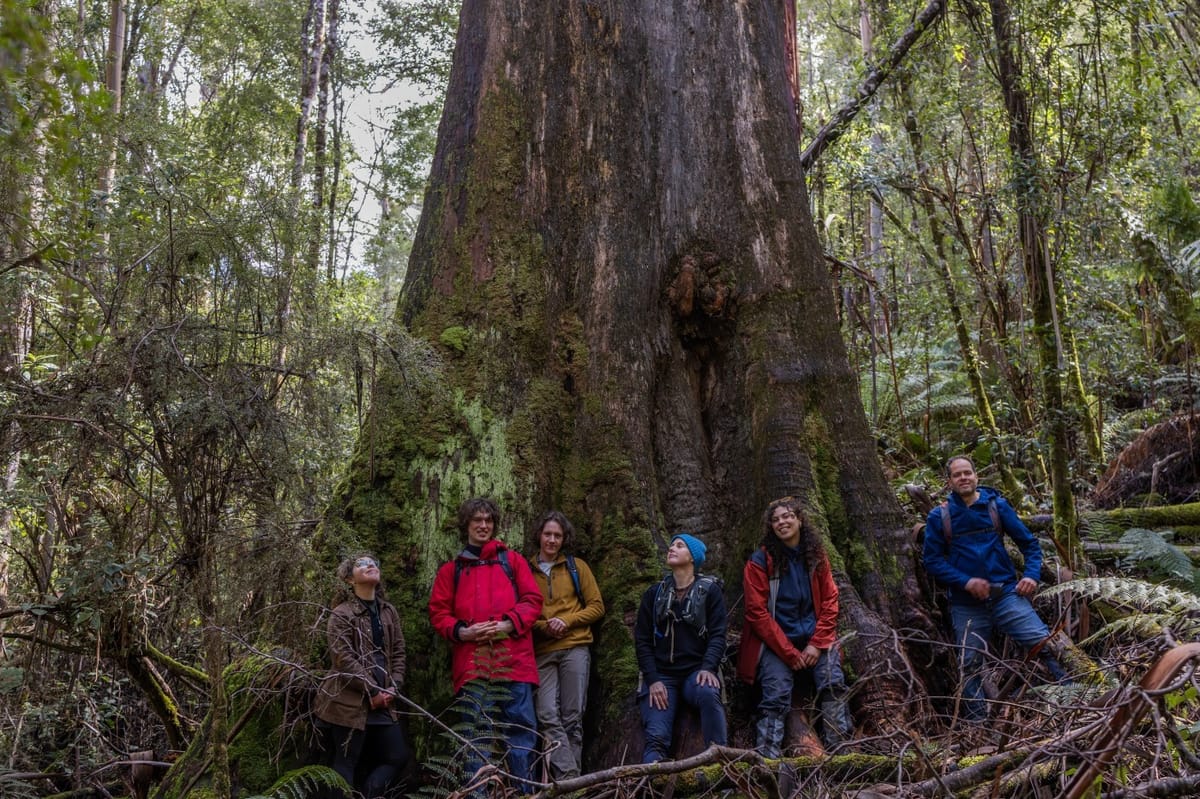
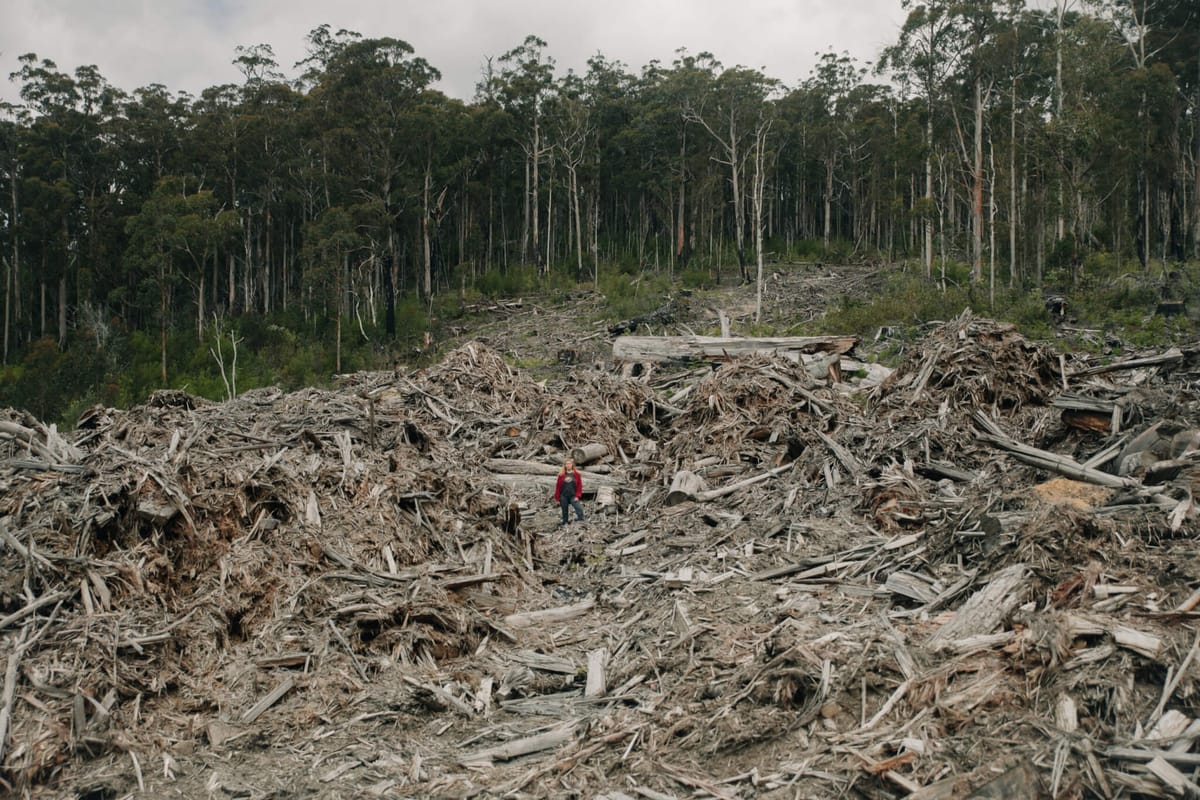
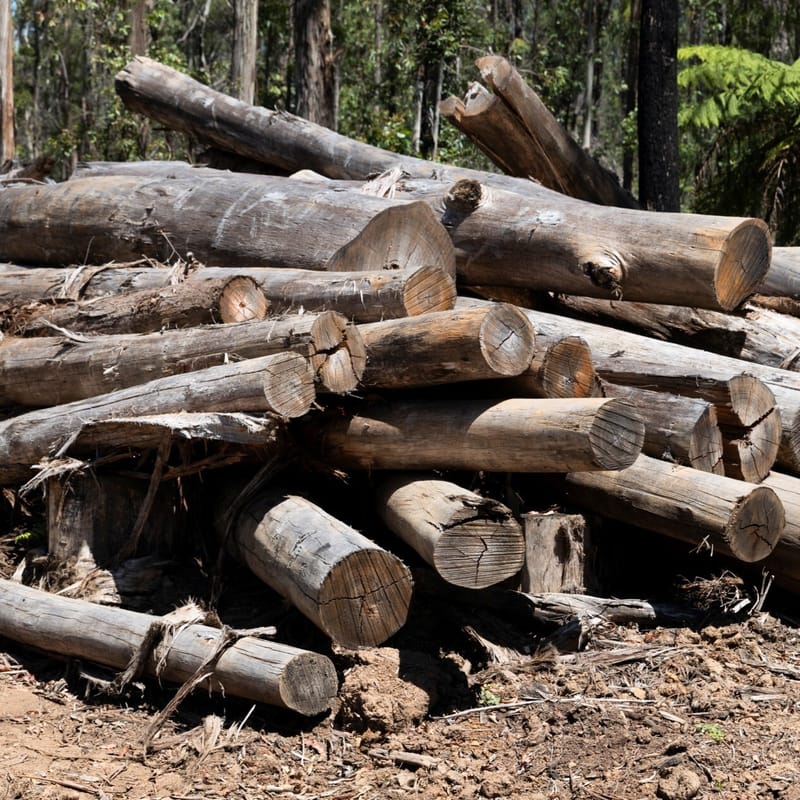
Insane as it may sound to a reasonable person, for decades native forest logging has been shielded from Australia’s national environment law—part of a late-90s, Howard-era sweet deal for the forestry industry. Instead, logging has come under Regional Forest Agreements (RFAs)—meaning no federal assessment or approval has been needed to destroy forests in NSW, Tas, Vic (up until 2025) and WA. On 1 July 2027, this special treatment comes to an end. Enter: bilats. →
When the RFA exemption ends, native forest logging will finally face the same environmental assessment as any other industry. Sounds like a good thing right? The federal government doesn’t think so! Because instead of just letting the RFA loophole close, the federal government wants to gift the Tasmanian government the first approval bilateral. This would hand the state the power to both assess and approve its own logging—locking in bad business-as-usual. Face-palm. →
If this approval bilateral happens, Tasmanians could be facing decades more native forest logging to come. And if Tasmania falls, other Australian states will be next. Rather than trying to force this terminal, loss-making industry on another generation, the federal government could instead take responsibility for Australia’s unique forests and wildlife—and decide to hold logging to the same standard as every other industry. Wouldn’t that be a refreshing change?
As the first state or territory government to seek an approval bilateral agreement under the new standards, Tasmania is the domino that could cause other states—like NSW and WA—to fall.
That means more forests, more wildlife and more threatened species at risk for decades to come. Grim.
Already, Federal Environment Minister Murray Watt—perhaps confused about which portfolio he’s supposed to be representing—has greenlit the first step in the process: allowing the Tasmanian government to conduct an assessment of its own logging practices.

But raincheck that despair, for there is hope on the horizon!
Within months, Aussies will get one chance—just one!—to push back on this diabolical proposal.
To say to the federal government: stop acting like an absentee parent, trying to wash your hands of all care and responsibility for Australia’s threatened plants and animals.
The upcoming public consultation on Tasmania’s proposed agreement will give Australians an opportunity to remind the federal government of something seemingly obvious:
Nationally threatened species need national oversight.
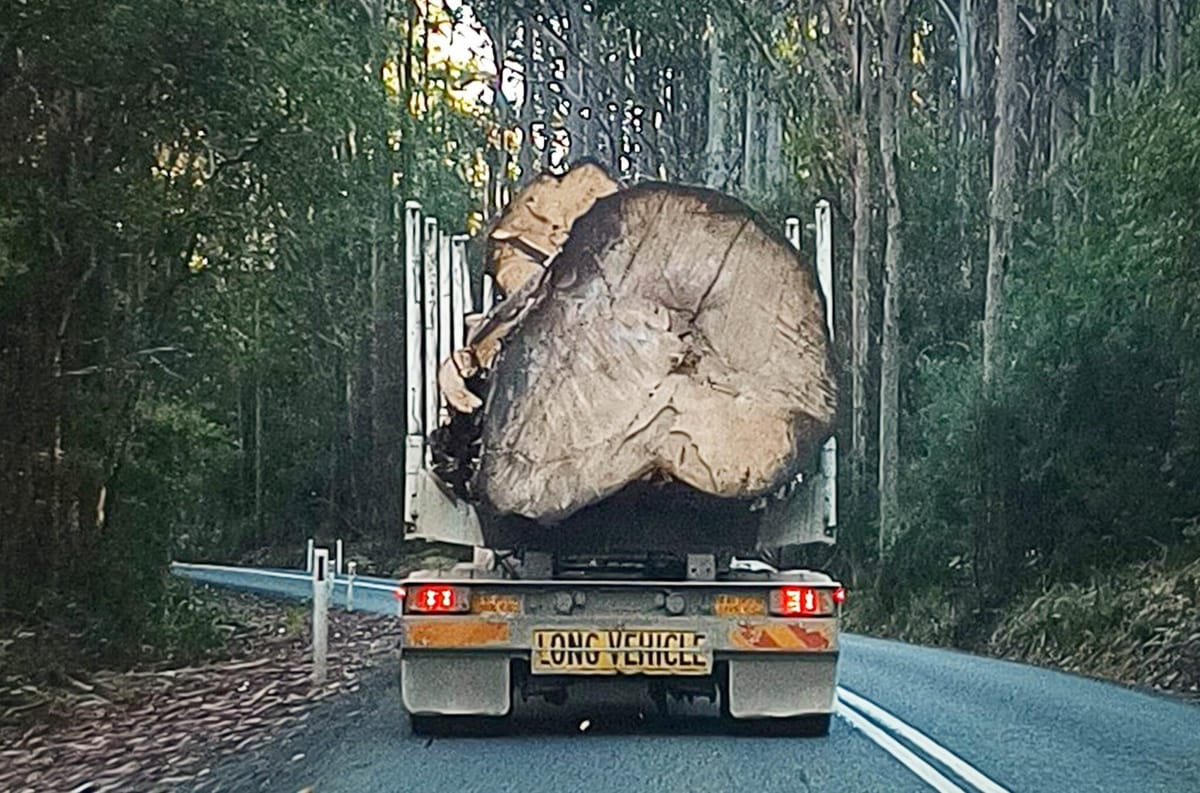
As anyone who’s ever seen a one-log logging truck on a Tasmanian road knows, the state government has been a straight-up lousy steward of the environment.
And if its power grows, swift parrot numbers will continue to shrink.
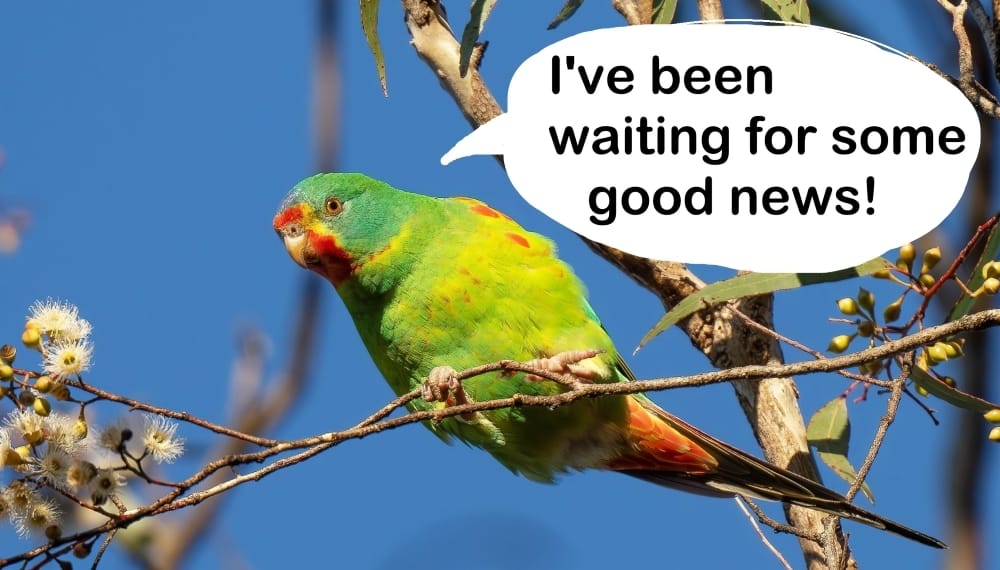
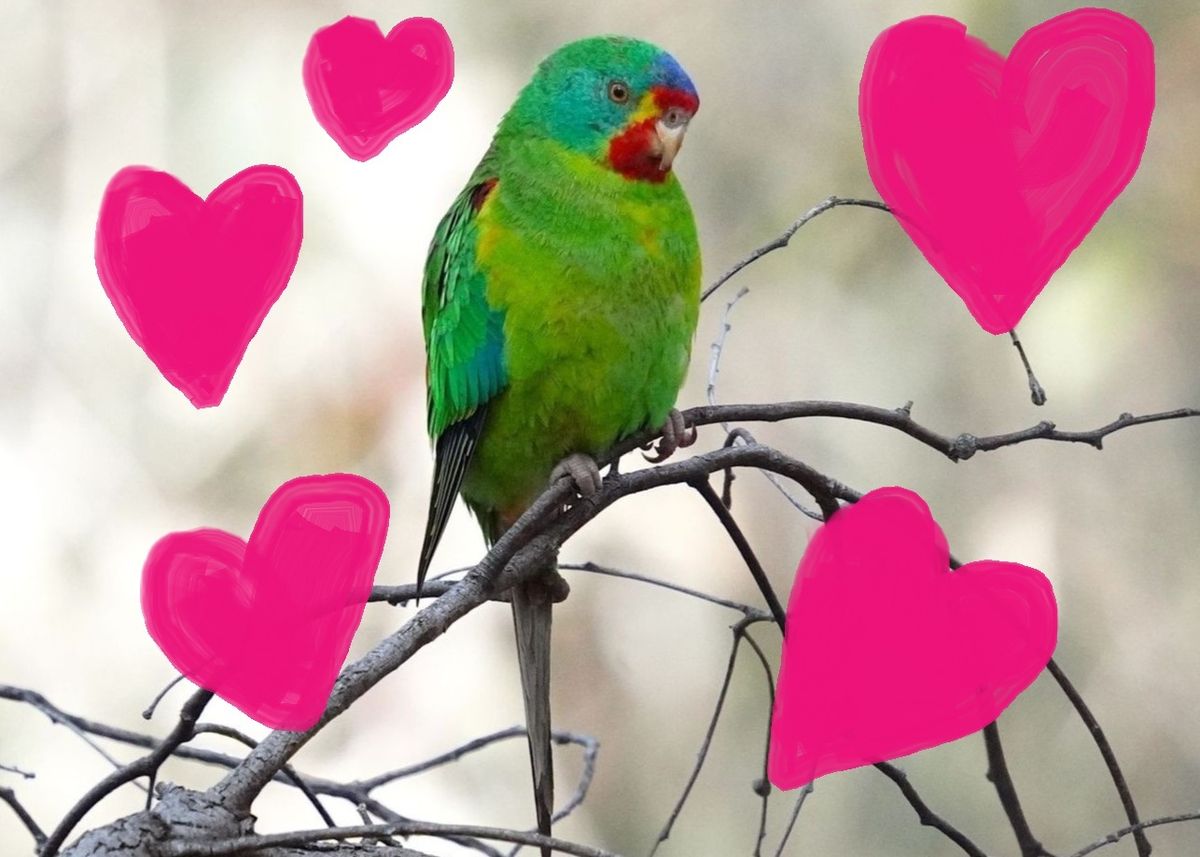
There are currently less than 750 swift parrots left in the wild. Every year, these colourful birds fly more than a thousand kilometres across the Bass Strait to Lutruwita / Tasmania to breed and raise their chicks.
Generation after generation, they take flight—trusting that there will be ancient tree hollows and flowering blue gums at their destination.
We can make sure that when swift parrots begin their long journey home next spring, there’s still a home waiting for them.
Want to save swifties? Join our webinar to find out how! We'll show you how to write a personalised submission opposing the plan to hand environmental approval powers to the Tasmanian government. ✍️