Lutruwita / Tasmania’s forests
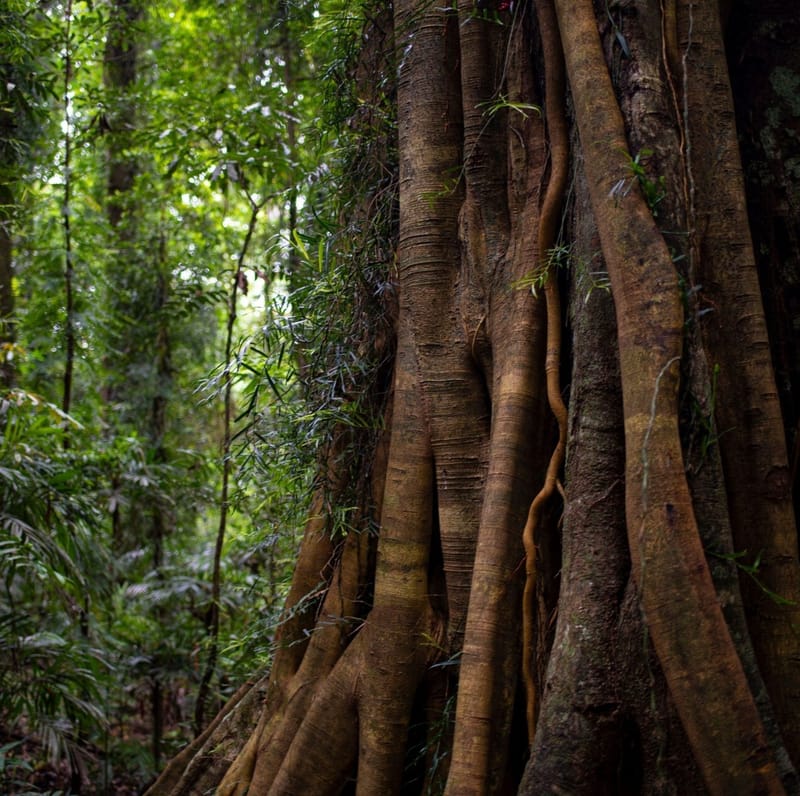
These ancient forests support some of Australia’s most iconic species—like swift parrots, Tassie devils and quolls. We’re making sure they have a living future.
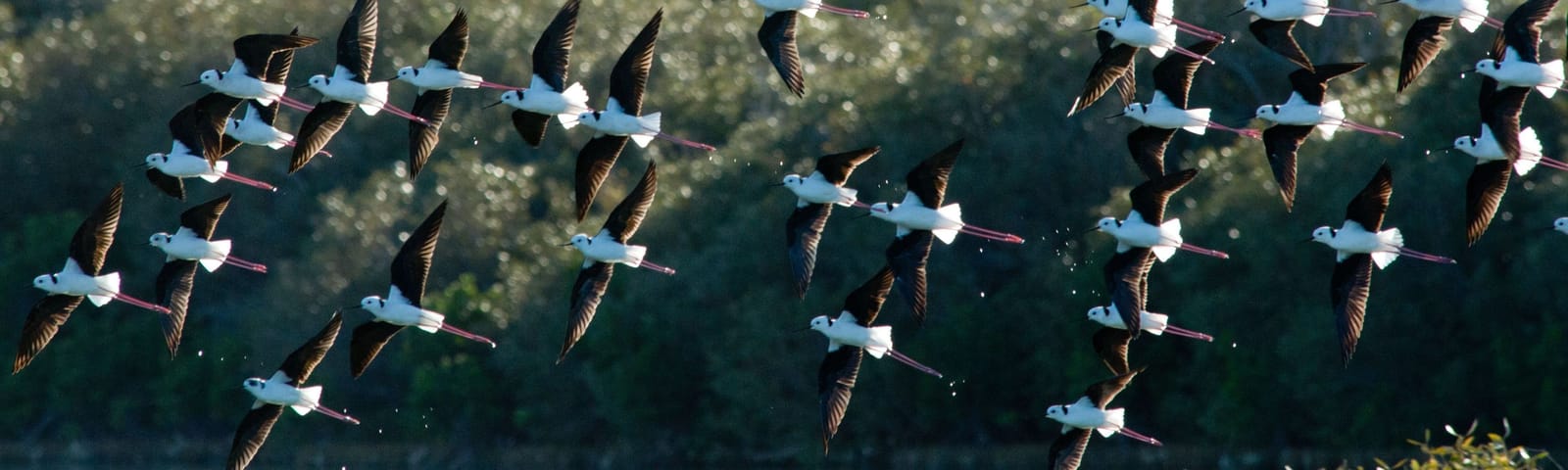
Every Australian has a part to play. Together, let’s give our native animals the best chance of beating this disease.
After years of wiping out birds and mammals overseas, avian influenza—or bird flu—has arrived on our shores. It could be one of the worst wildlife disasters that Australia faces, which is why our native animals need us to act.
Banner image: Glenn Walker
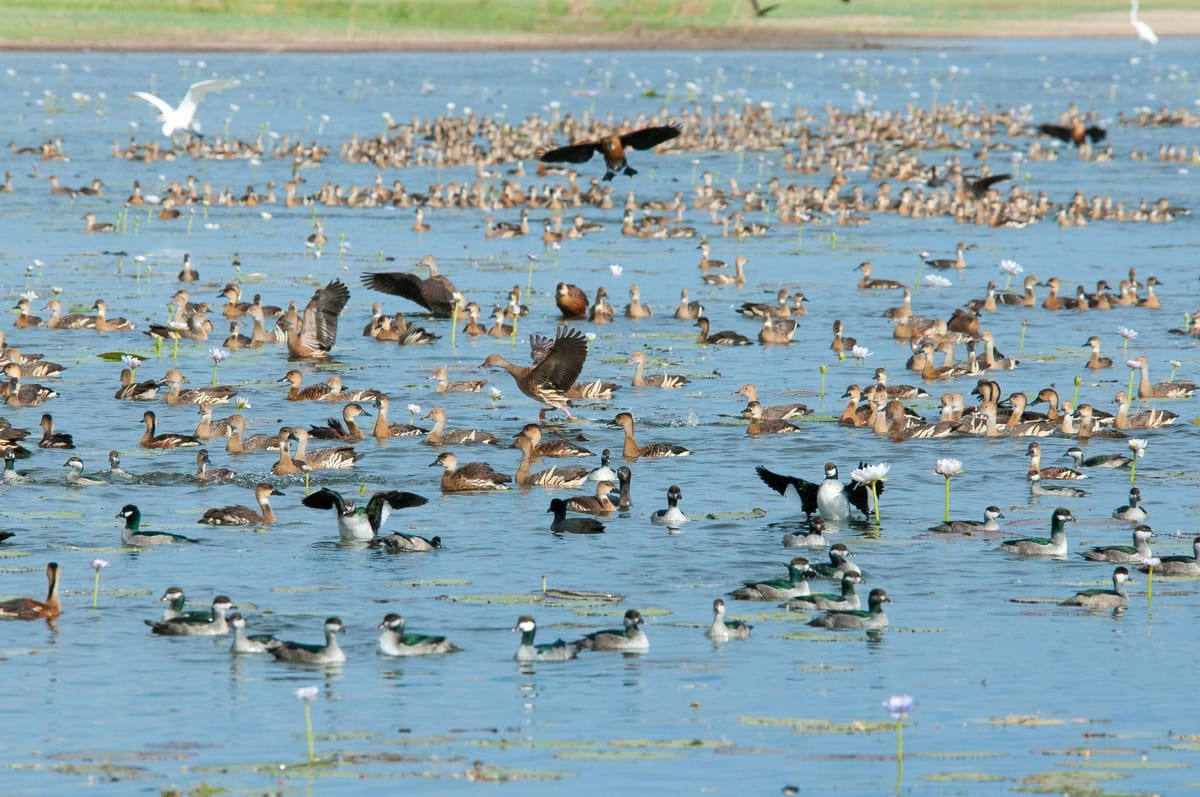
Bird flu is a contagious disease caused by the Influenza A virus.
It spreads fast, mostly between birds (and some mammals), through infected droppings, spit and mucus. It can cause severe organ failure, and the death rate is high.
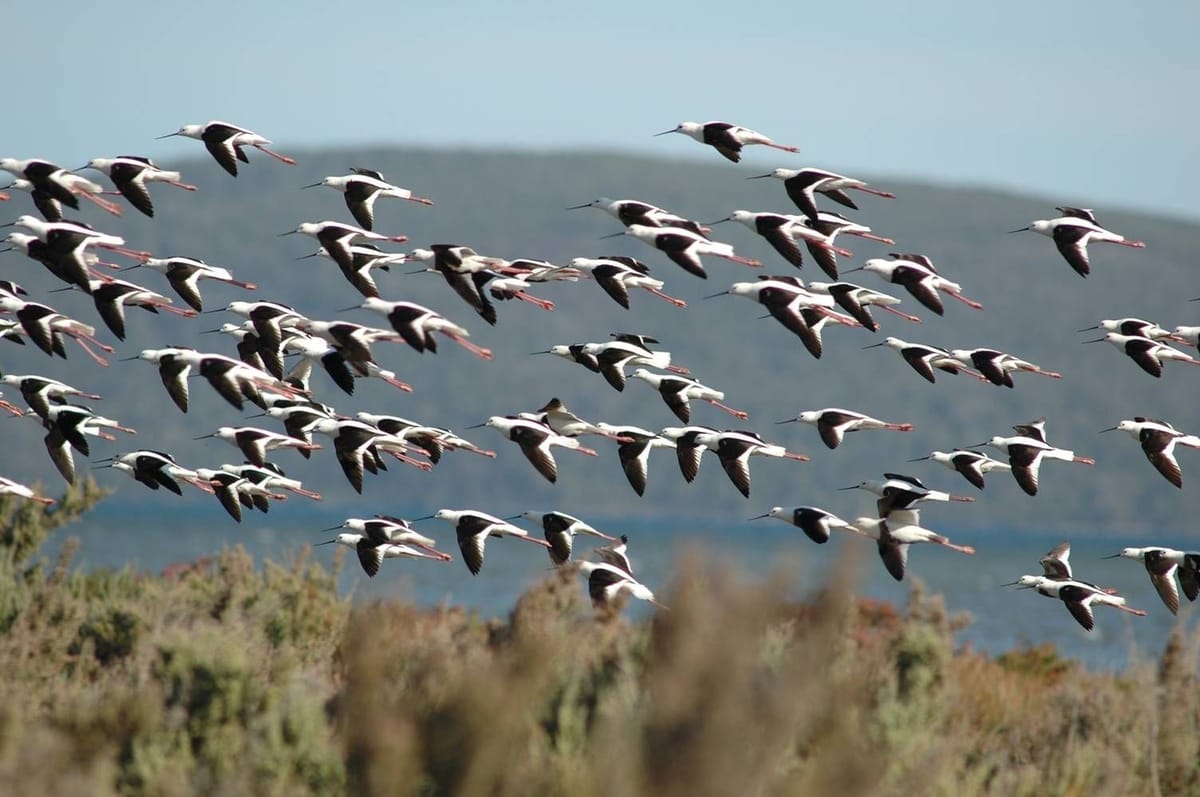
Although bird flu primarily affects wild birds and poultry, marine mammals like seals are also at high risk, as are scavengers like Tasmanian devils and quolls. Whales and dolphins have also been impacted.
Wildlife that’s already threatened—like critically endangered swift parrots and orange-bellied parrots—face a higher risk of extinction.
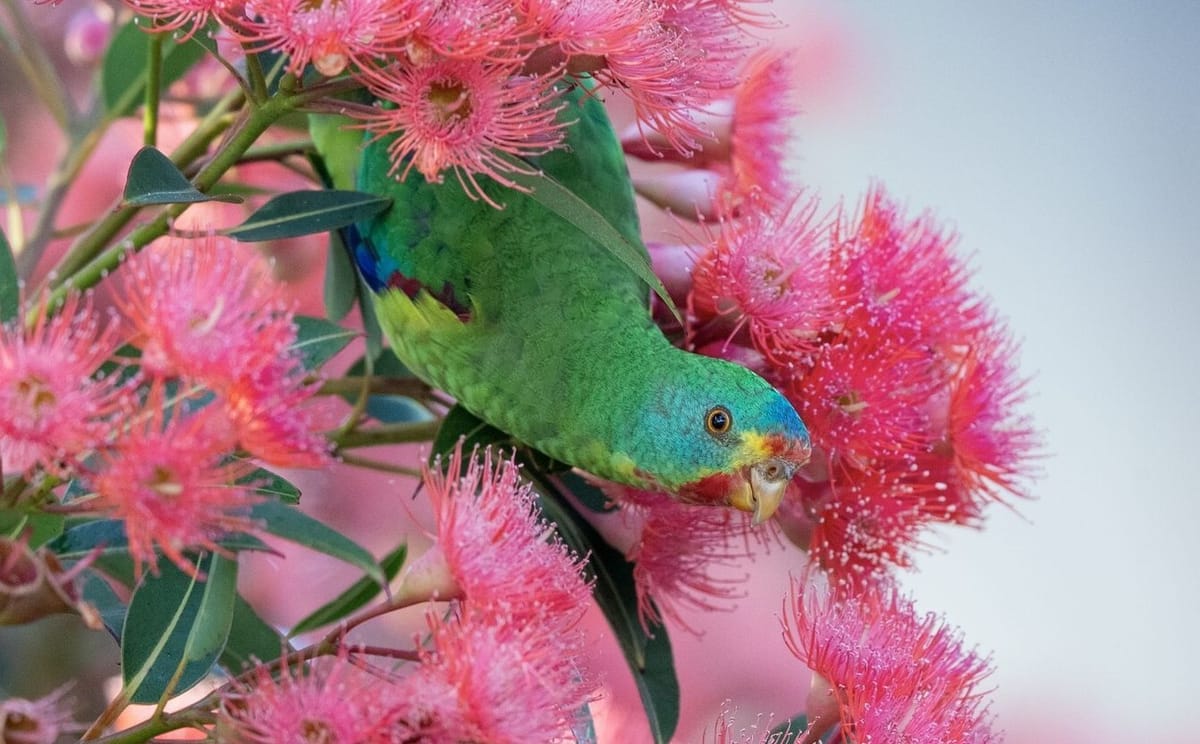
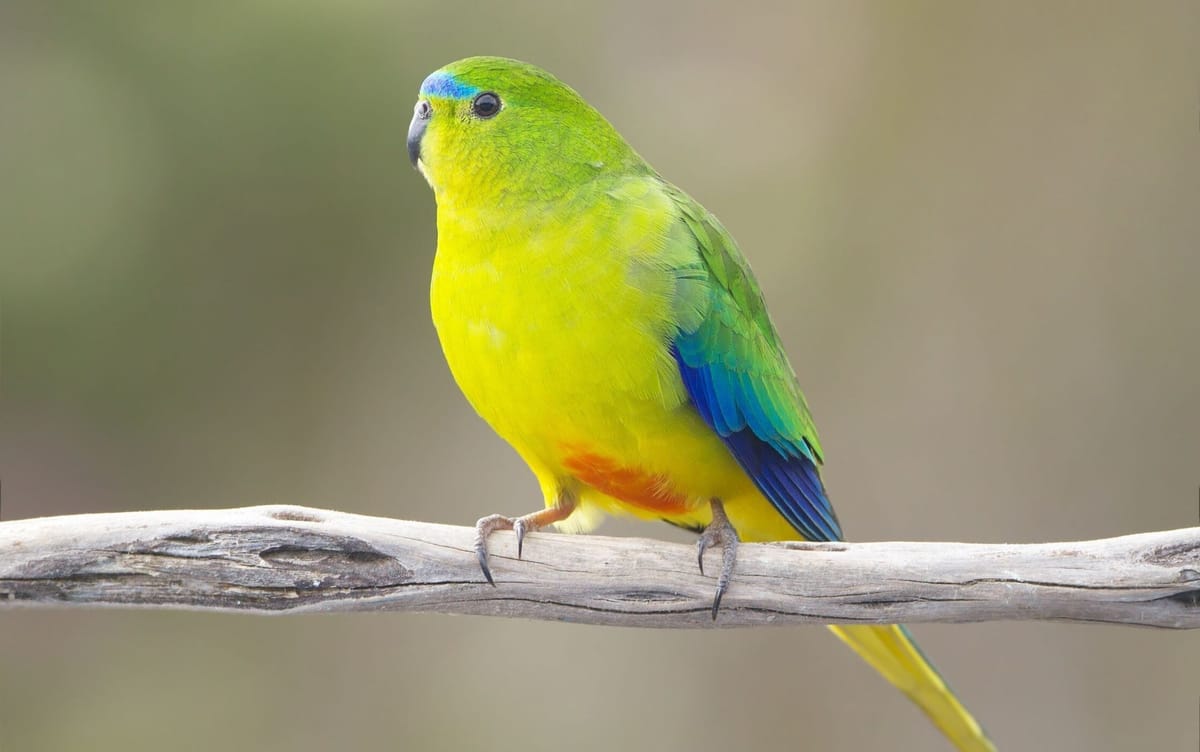
Bird flu could be devastating for critically endangered swift parrots, who fly to the forests of Lutruwita / Tasmania each year to breed and raise their chicks. But old growth trees continue to be cut down there—meaning less and less hollows for the birds to use, and less trees for them to feed on. There may only be a few hundred swift parrots left in the wild. Photo: Laurie Ross
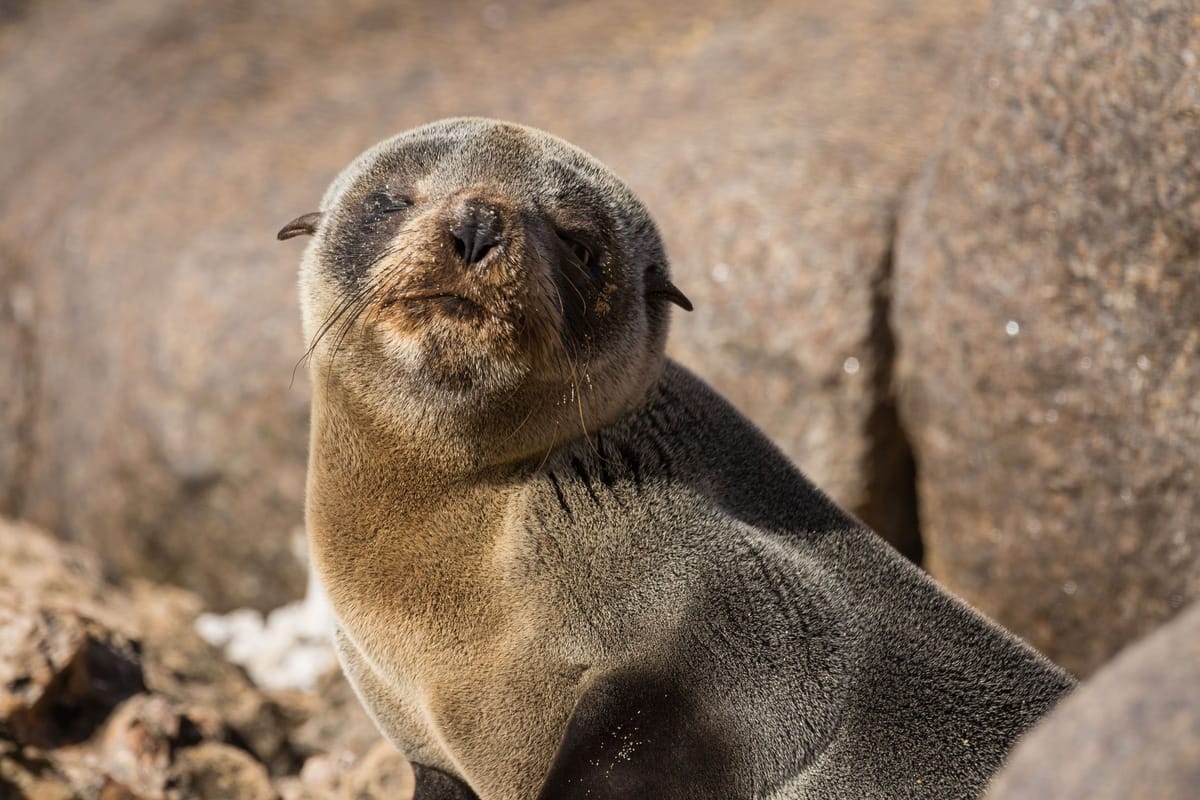
Australian sea lions are the only seals that are native and exclusive to Australia, but even before bird flu arrived, they were listed as endangered. For the last decade, Wilderness Society has successfully stopped four oil giants from offshore drilling in their breeding grounds in the Great Australian Bight. We are currently campaigning to have this area granted World Heritage protection. Photo: Brad Leue Photography
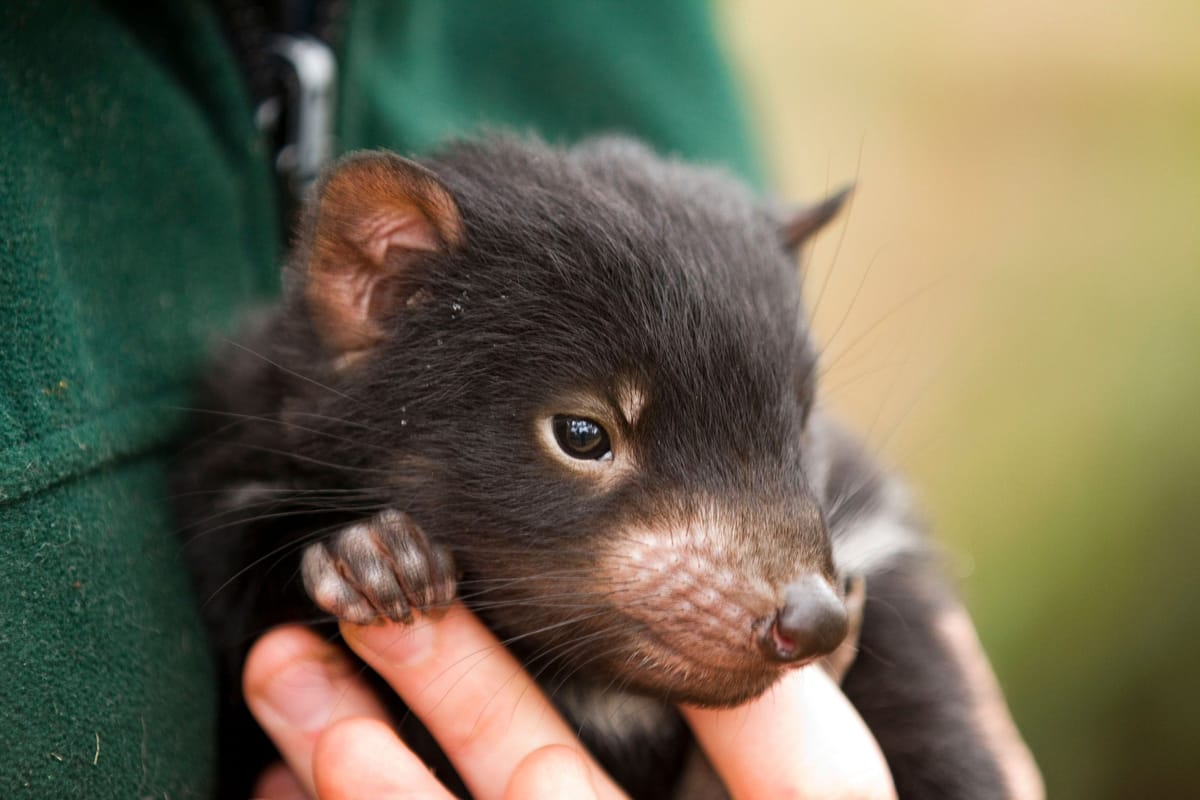
Scavengers like Tasmanian devils are at high risk of contracting bird flu if they eat dead and diseased birds. This adds to the struggles these poor marsupials already face—from facial tumour disease to the logging of their forest homes in Lutruwita / Tasmania. Photo: Barrie Irons
Like swift parrots, orange-bellied parrots are critically endangered, migrate to Tasmania to breed, and spend the winter months on the Australian mainland. Destruction of their habitat has dramatically reduced their numbers. There are real fears that bird flu could push them even closer to extinction. Photo: John Harrison
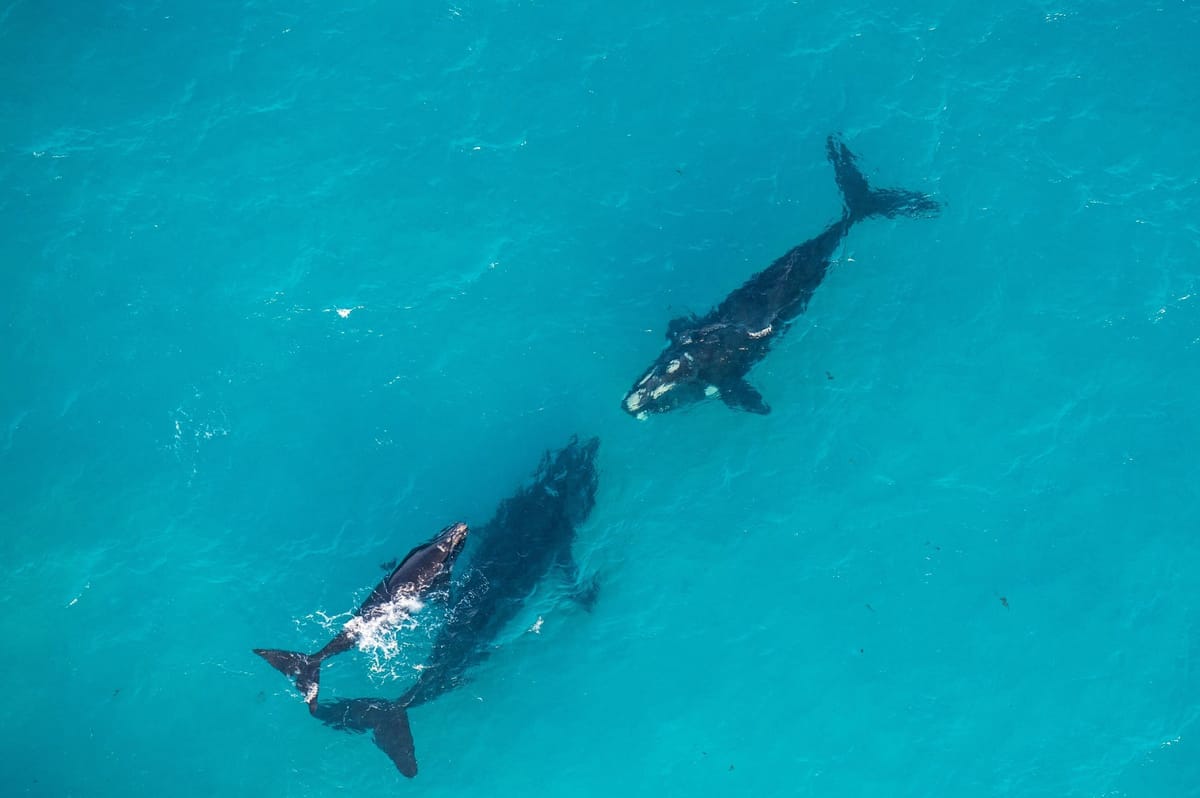
Southern right whales, who raise their young in the Great Australian Bight off the southern coast of Australia, are one of the whale species at risk of being struck down by bird flu. Other cetaceans, like dolphins, could also be at risk.
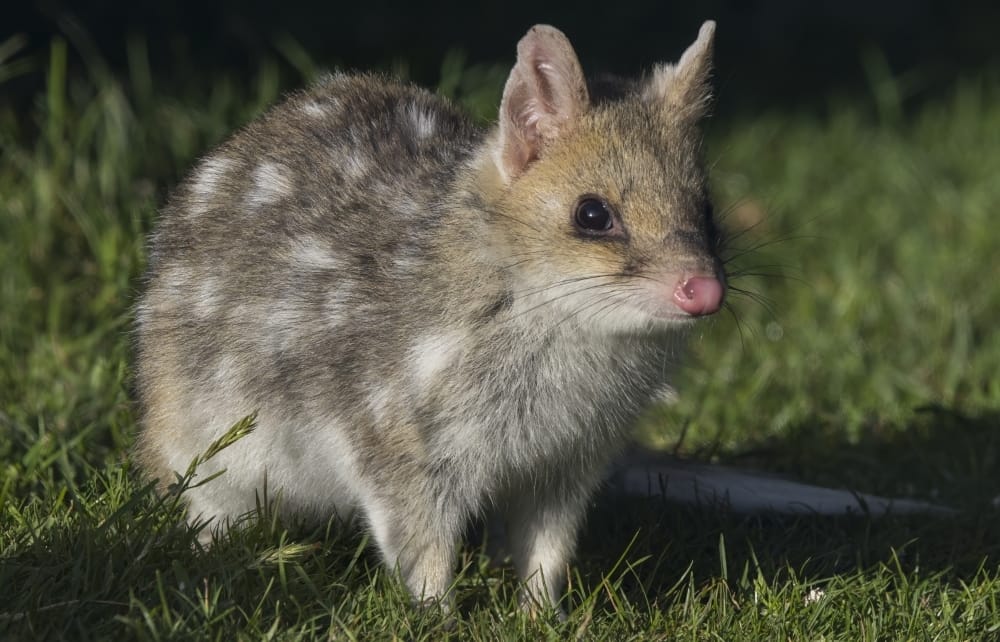
Another Tassie-based scavenger, eastern quolls have been considered extinct in the wild on mainland Australia since 1963. Just like devils, they feed on dead animals—which means they risk getting bird flu if they eat infected meat. They are already listed as endangered.
“If we're serious about protecting native wildlife from bird flu, pressing pause on further habitat destruction is the bare minimum—the first step in giving them a fighting chance.” - Melanie Audrey, Wilderness Society Biodiversity Policy & Campaign Manager
For native animals to survive diseases like bird flu, they first need thriving ecosystems—that’s healthy forests, clean rivers and wetlands, and abundant oceans.
Resilient wild places = resilient wildlife.
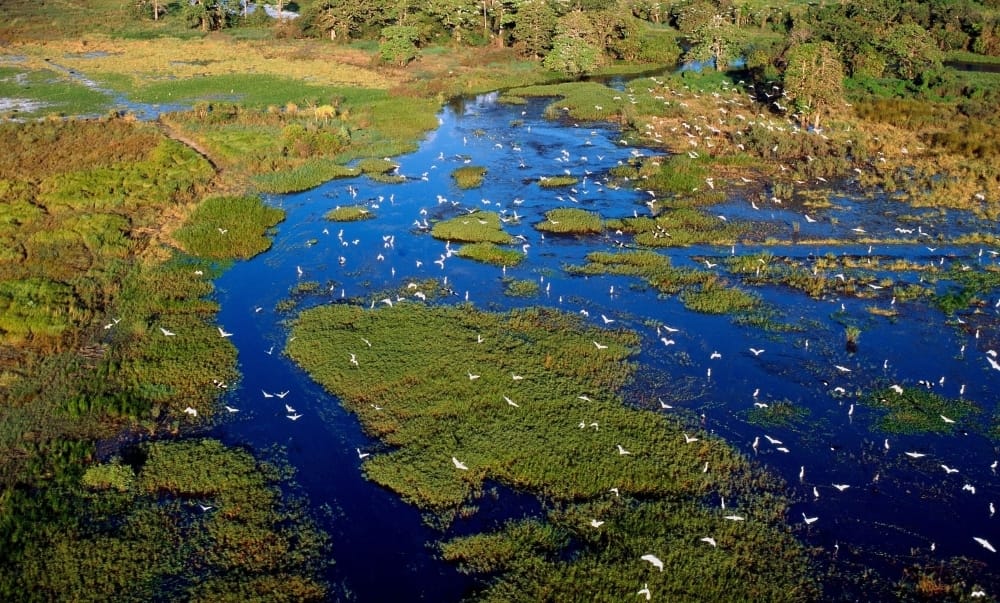
Logging, deforestation, fossil fuel exploration and climate change are some of the many threats currently impacting wildlife habitat around Australia.
Sadly, that means that when major global threats like bird flu hit Australia’s shores, our wildlife is already stressed.
This creates a very high risk of extinction for species that are critically endangered.
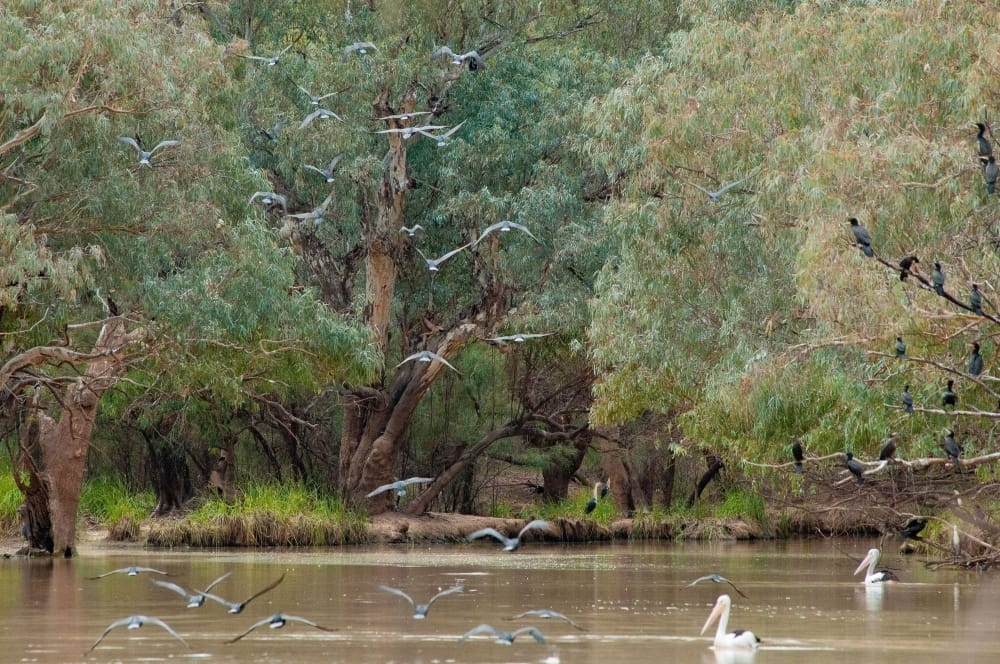
The Australian government can help our native wildlife survive bird flu by reducing the other threats to their food sources and habitat—for example, ending logging in native forests and stopping fossil fuel exploration in Australia’s oceans.
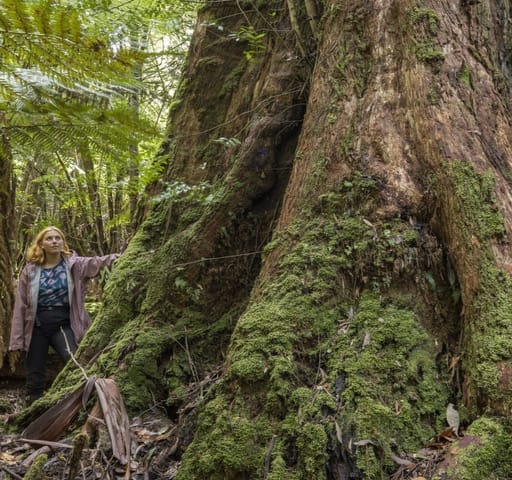
These ancient forests support some of Australia’s most iconic species—like swift parrots, Tassie devils and quolls. We’re making sure they have a living future.
Wilderness Society and other environment groups are calling on the government to commit an additional $200 million in funding to protect Australia's wildlife from bird flu.
This is needed to help our most at-risk animals, like swift parrots and Tassie devils, survive this outbreak.
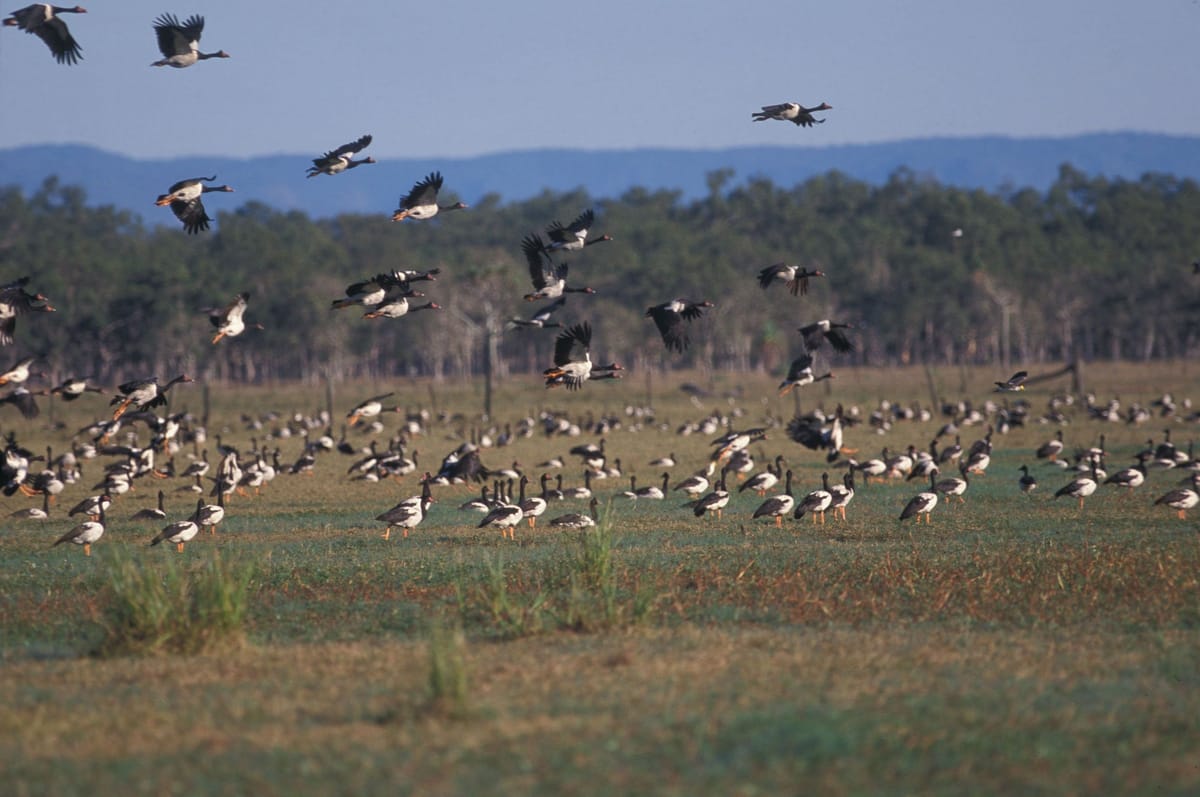
Healthy forests, clean rivers and wetlands, and abundant oceans don’t just benefit wildlife either.
Thriving ecosystems have benefits for all Australians—by helping cool the climate, clean the air, and provide food and drinking water, among other things!
You can support this—please add your name to our petition today.
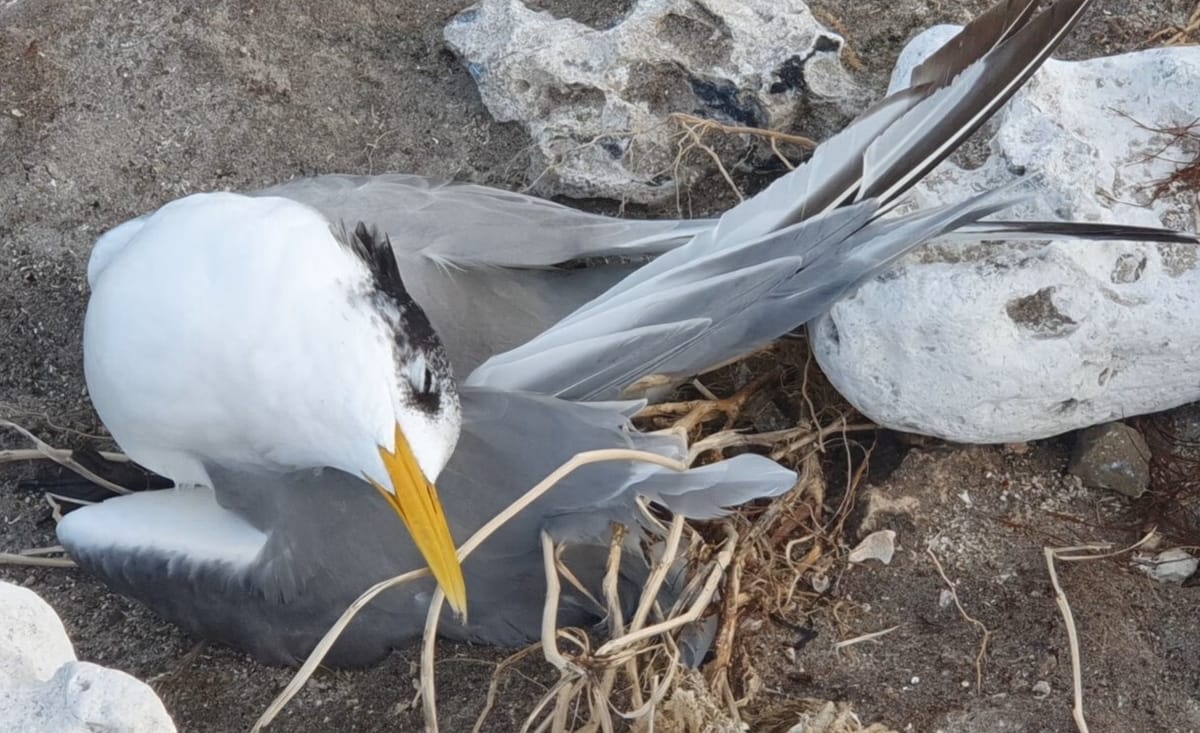
Wild birds infected with bird flu may show signs such as:
Mammals infected with bird flu may show signs such as:
If you come across an animal you think might be infected with the bird flu: Avoid. Record. Report.