At the heart of Australia, a complex system of waterways drain inland never reaching the sea. The result is an incredibly diverse landscape where deserts and vast wetlands support hundreds of species and millions of birds.
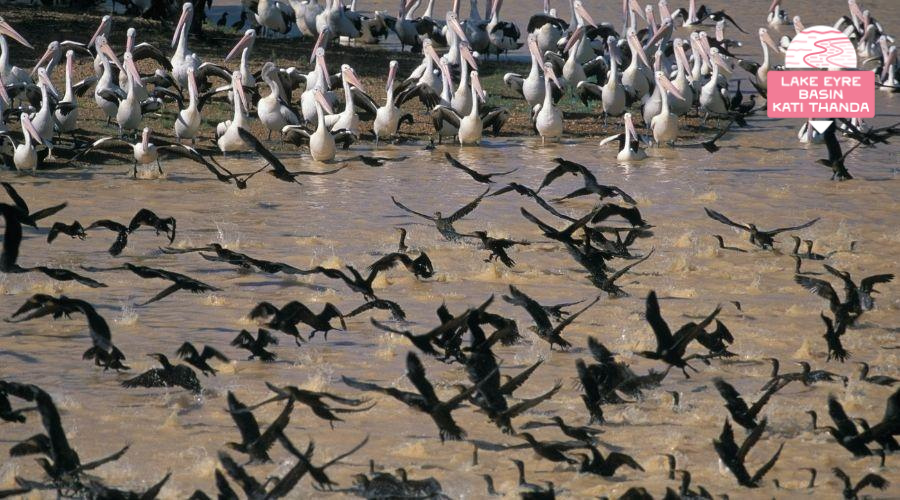
Thousands of pelicans and black cormorants gather as Kati-Thanda floods. Image: Geoff Spanner.
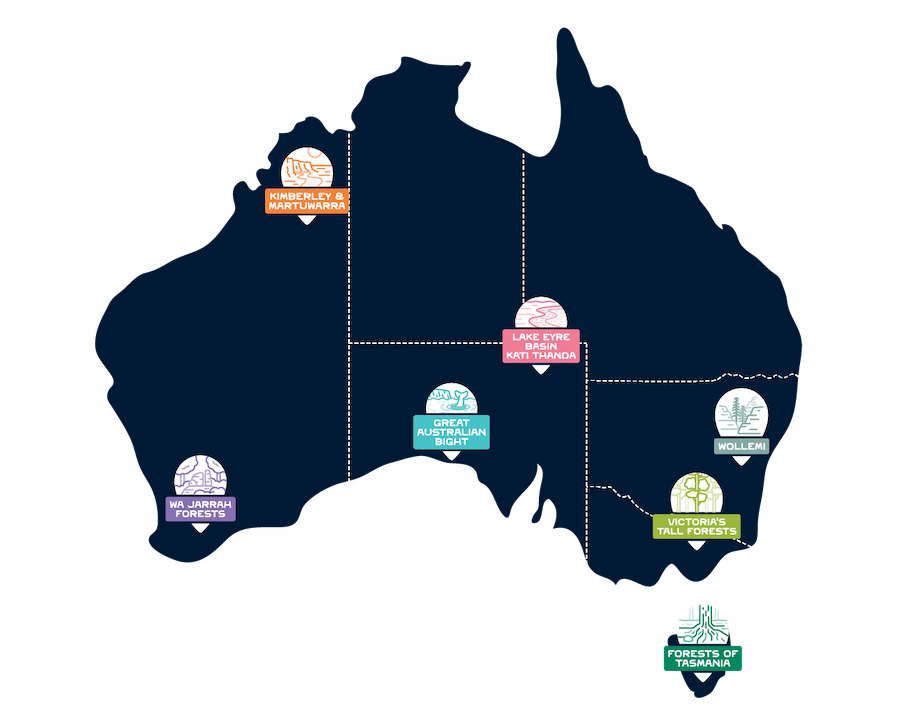
The Lake Eyre Basin encompasses the heart of Australia, comprising Munga-Thirri / Simpson Desert, Channel Country and Kati Thanda.
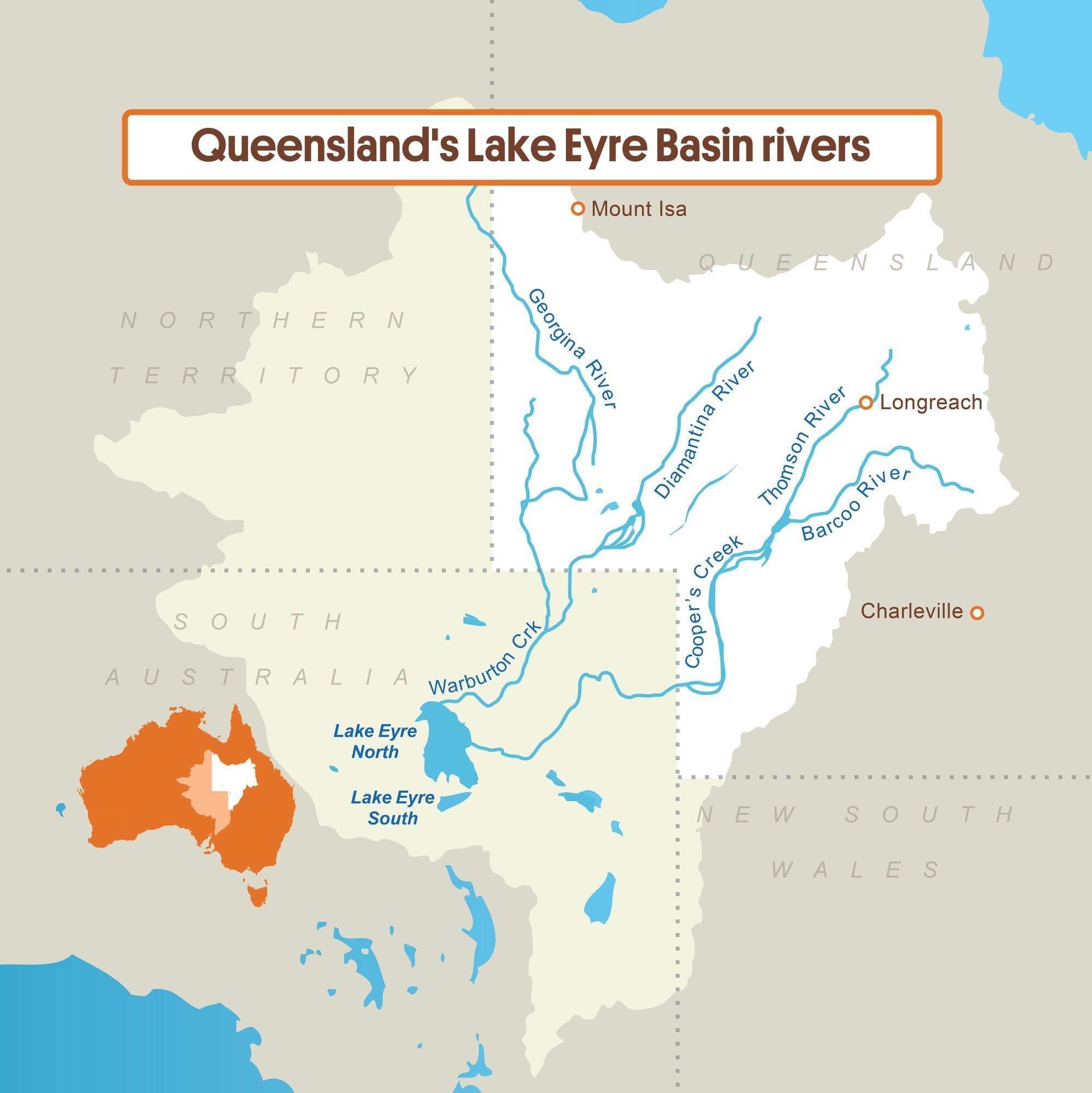
It represents one of the biggest inland draining water systems on the planet, and the only one in Australia to not release its water into the ocean. Covering 1.2 million square kilometres, it's six times the size of Victoria and straddles South Australia, the Northern Territory, Queensland and the western fringes of New South Wales.
For millions of years its complex system of waterways, lakes and underground aquifers has been sustaining an incredible diversity of environments that play host to remarkable biodiversity.
First Nations people have lived in this fluctuating landscape for tens of thousands of years. Seventy-one languages can be ascribed to the region and it's criss-crossed with songlines, trade routes, and language groups.
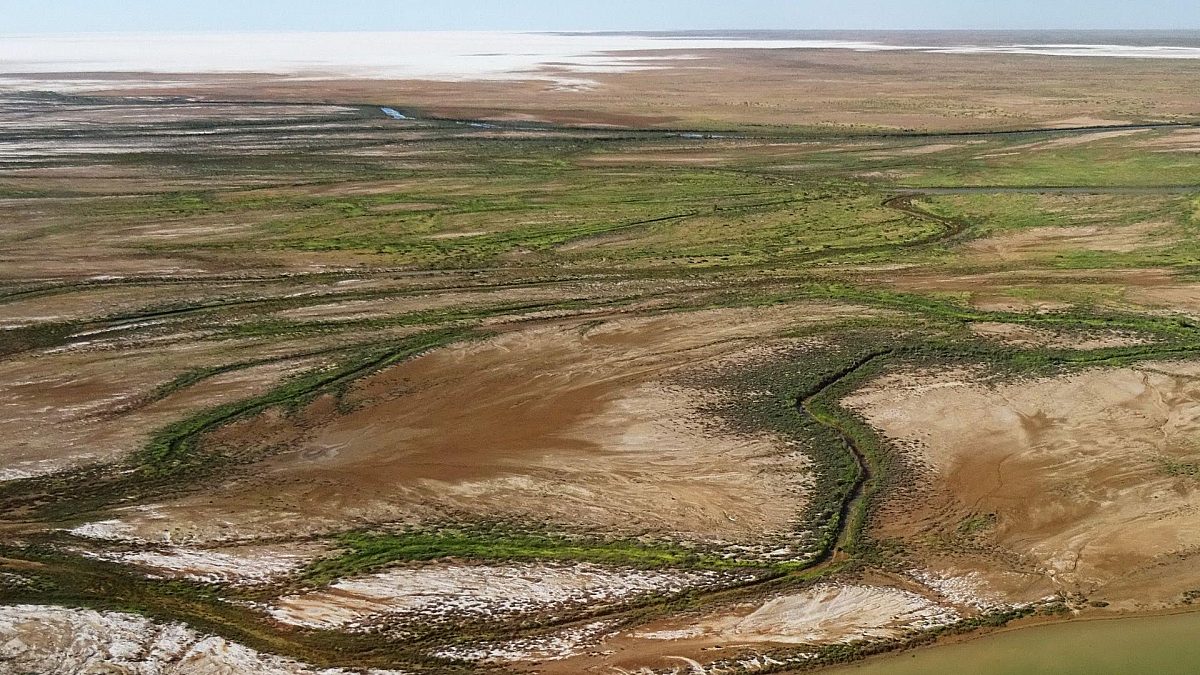
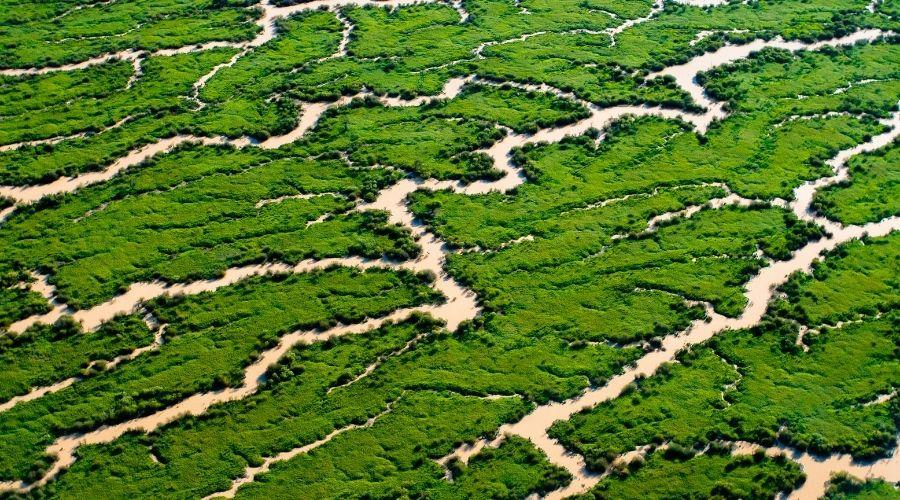
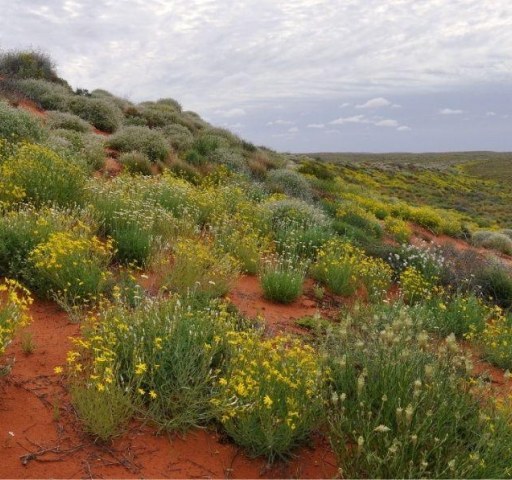
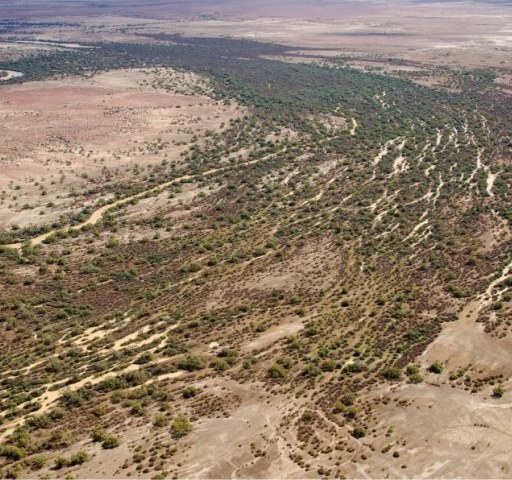
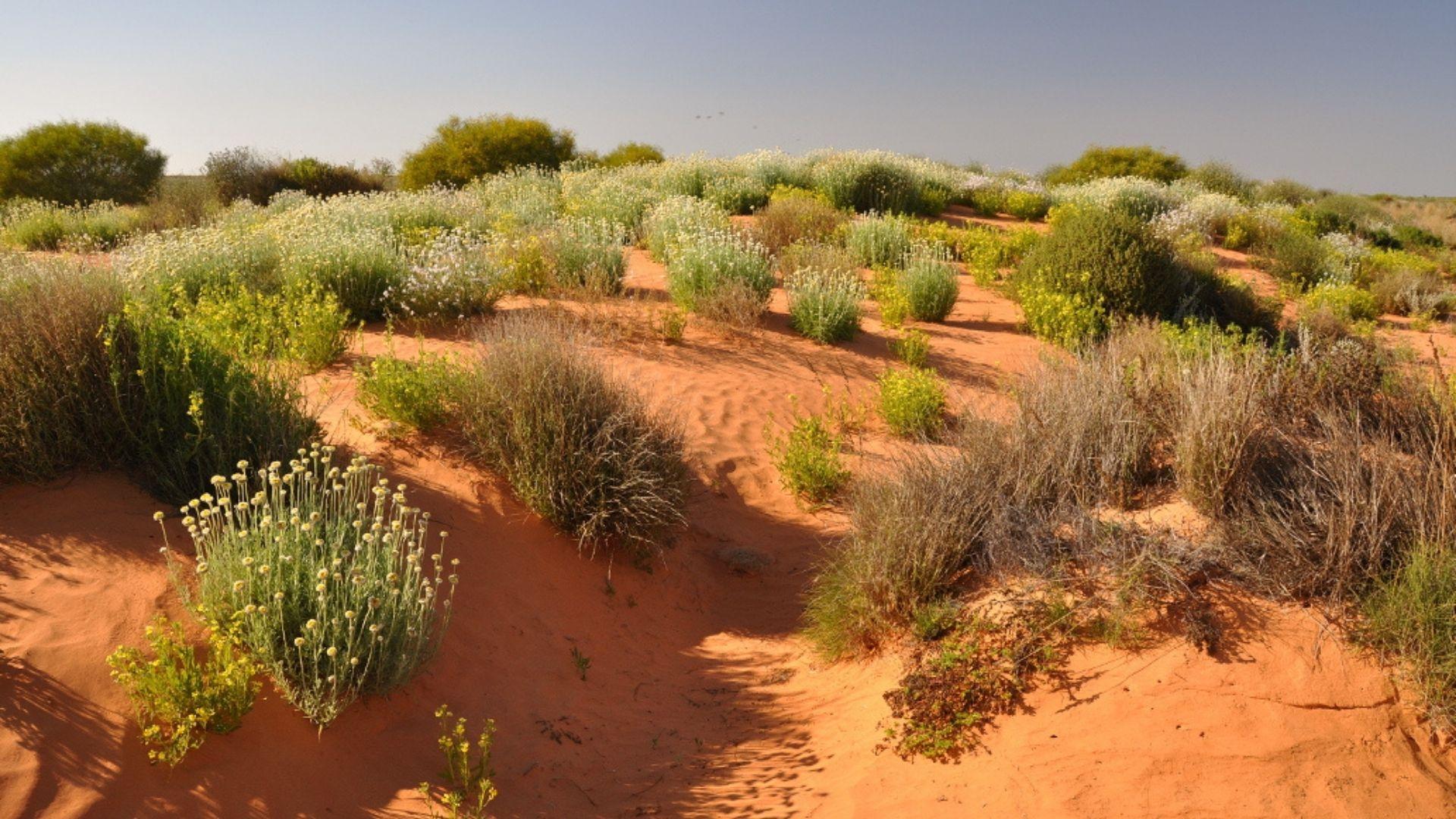
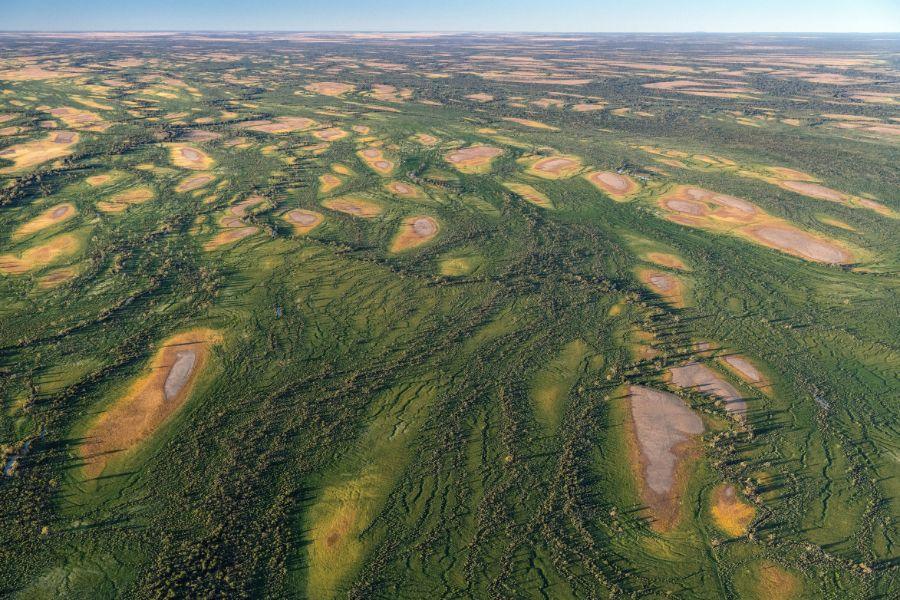
When rainfall saturates Channel Country in Queensland's south-west, filling the Diamantina and Georgina Rivers and the Cooper Creek, it transforms an arid landscape into a network of lush waterways. Water flows down through the desert, enabling carpets of wildflowers to spring from the ochre sands of Munga-Thirri, where over 900 species of flora and fauna can be found.
Sometimes there is enough water to continue the journey south until it floods the lowest point in Australia at 15 metres below sea level, what the Arabana people call Kati Thanda (Lake Eyre). When Kati Thanda floods it turns bare, red and white desert into lush wetland, becoming a home for millions of birds.
A world under threat
The Lake Eyre Basin is a vast system of water, people, flora and fauna that has been working in harmony for millennia, and yet the relatively recent scourge of fossil fuel exploration and extraction threatens all of that.
Drilling for oil and gas and the damaging infrastructure that comes with it—roads, gas wells, pads, pipelines, wastewater storage ponds—risk disrupting the fragile network of waterways that feed wetlands and water holes throughout this globally significant system. Desert ecosystems that depend on the water going where it’s intended to go could be wiped out if these water systems are disrupted or polluted by the expansion of dirty oil and gas.
Lake Eyre floods turning the landscape green. Image: Matthew Turner.
The Wilderness Society is working in both the Channel Country and Munga-Thirri / Simpson Desert to oppose new fossil fuel exploration in these sensitive environments. Amazingly, even though Munga-Thirri was recently declared a national park, mining exploration licences still exist within its borders. And most recently, the Queensland government has announced that any future oil and gas developments would be prohibited from the Channel Country rivers and floodplains, after eight years of rolling commitments.
The Lake Eyre Basin must be protected and respected. Below, find out how the Wilderness Society is tackling the threat of fossil fuels in the heart of Australia.
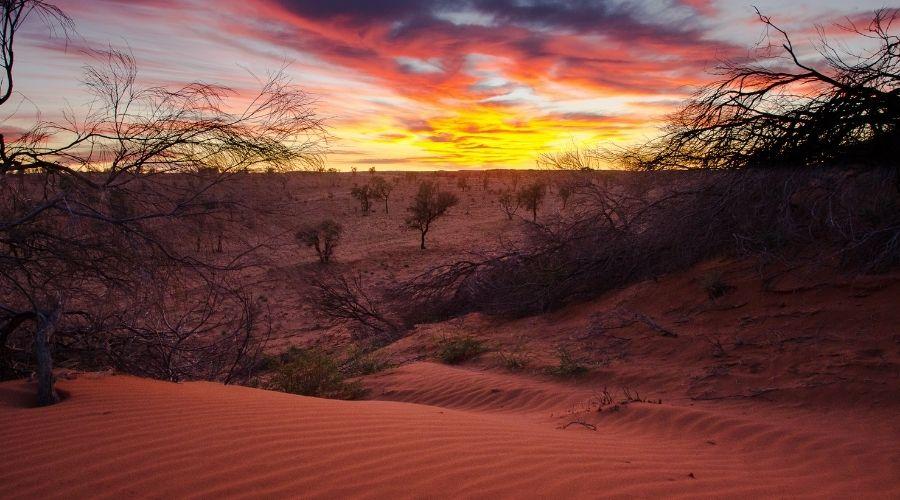
Munga-Thirri / Simpson Desert
Thanks to your support, together we've helped deliver the biggest national park in Australia in the Munga-Thirri / Simpson Desert, protecting 3.6 million hectares of undamaged desert ecosystems. However, even now, the threat of fossil fuels remains.
The free-flowing rivers of the Channel Country in the south-west corner of Queensland replenish the Simpson Desert and Kati Thanda to the south. Developing these delicate rivers and floodplains for oil and gas poses a terrible risk to the future health of the whole of the Basin and to the overland flows—the lifeblood that feeds the heartlands of Australia. Thanks to your support, these rivers and floodplains are now protected from the ongoing expansion of dangerous oil and gas.