Media Releases - 03 June 2026
Tasmania’s Wilderness World Heritage Area at Risk
Australia’s Tasmanian Wilderness World Heritage Area is experiencing significant impacts and threats to its outstanding universal values. Palawa people’s rights are not being respected or realised through decision-making. This breaches the World Heritage Convention’s commitment to Free, Prior and Informed Consent, which is essential to equitable and effective conservation.
Australian civil society is urging the 48th Session of the World Heritage Committee to recognise that the risks are significant, and to urgently send a Reactive Monitoring Mission to assess the status of outstanding universal values.¹
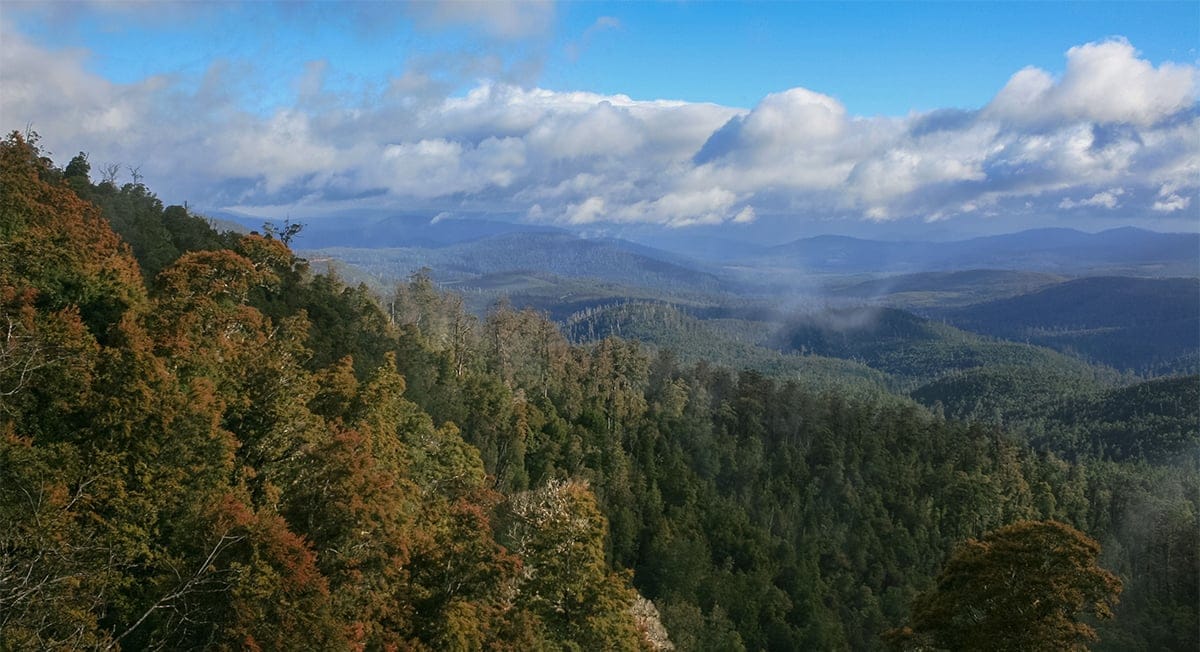
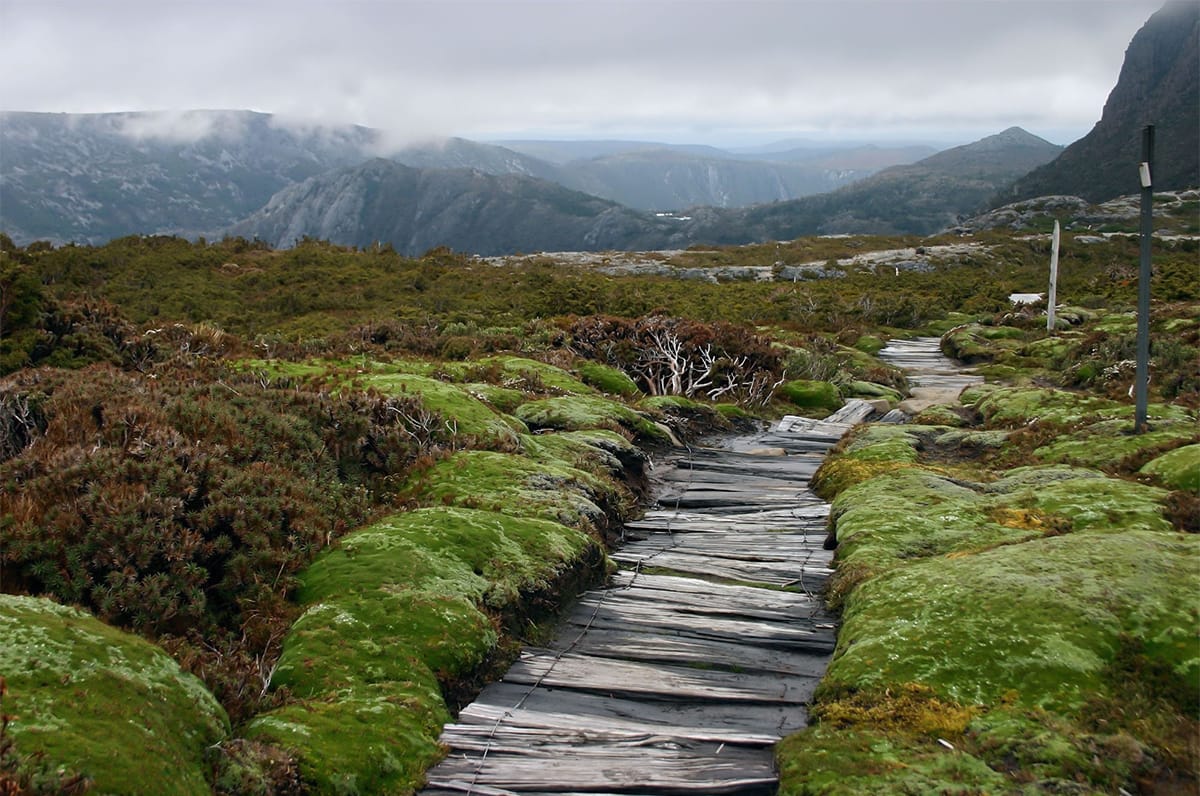
The Tasmanian Wilderness is the equal highest-ranked World Heritage Area, meeting an extraordinary 7 out of 10 World Heritage criteria - three cultural and all four natural criteria. It is one of the world’s largest and most spectacular wilderness areas and a precious cultural landscape. Ancient Aboriginal heritage predates British colonisation by tens of thousands of years and remains powerful and core to today’s Palawa, the Tasmanian Aboriginal people.
Representatives of the organisations met with World Heritage Centre officials in Paris in December 2025. They raised key concerns, including:
Palawa Rights: No progress towards shared management with the Tasmanian Aboriginal Community has been made and cultural heritage assessments remain incomplete. These commitments were made in response to the 2015 mission from UNESCO but in 2026 they remain outstanding.
“Palawa are deeply concerned by the lack of cultural heritage assessment and complete failure to recognise Aboriginal rights to ownership of our land and heritage. Our representatives and the Aboriginal community are sidelined from decision making,” Andry Sculthorpe, Tasmanian Aboriginal Centre.
Impacts of fish farming on World Heritage:
Documents released under Freedom of Information laws reveal salmonid aquaculture has had, and is likely to have, a significant impact on the Tasmanian Wilderness.² Gondwanan Maugean skate face imminent extinction due to fish farm pollution in Macquarie Harbour.³ Australia has misled UNESCO by suggesting the species is recovering, when evidence shows the wild population is approaching a demographic cliff and the 2023 $9.2 million Captive Breeding Program⁴ has failed. As Cradle Coast NRM recently confirmed, Maugean skate have not succeeded in breeding in captivity.⁵
Weakened world heritage protection laws: Despite promising to strengthen national environment laws, in 2025 Australia weakened them, with changes to stop reviews of development decisions, including large-scale fish farming in World Heritage recognised Macquarie Harbour.
“In Tasmania, Australia, since 2012 industrial salmon farms have proliferated without any environmental impact assessments being conducted, threatening endemic species, such as the Maugean skate.” Special Rapporteur on the human right to a clean, healthy and sustainable environment, Report to the 2025 UN General Assembly.⁶
Climate & Fire: Increasingly severe fire seasons driven by global warming are destroying irreplaceable, fire-sensitive Gondwanan ecosystems.
Inadequate boundary management, invasive animals, light pollution, inappropriate tourism development, and the unrestored Lake Pedder are all of significant concern.
We are calling on World Heritage Committee Members to support a Reactive Monitoring Mission to Tasmania in 2026, to assess the situation for themselves, and to reinstate State of Conservation reporting.
“The 2025 Global World Heritage Outlook Report finds the current state and trend of the Tasmanian Wilderness is deteriorating and of high concern, and that overall threats are considered high. Recently disclosed documents reveal Australia is willing to ignore its own advice about impacts on the World Heritage Area. We urgently need an intervention from the World Heritage Committee,” Eloise Carr, The Wilderness Society.
¹ Over 17 Australian organisations have written to UNESCO and IUCN in 2024, February and April 2025, and UNESCO, IUCN and ICOMOS in 2025 and 2026.
² Notification of proposed decision - reconsideration of marine farming expansion, Macquarie Harbour
³ Conservation Advice for Zearaja maugeana (Maugean skate)
⁴ https://minister.dcceew.gov.au/plibersek/media-releases/national-threatened-species-day-new-steps-save-maugean-skate; https://nre.tas.gov.au/Documents/NRE%20RTI%20017%20-%202025-26.pdf; https://pulsetasmania.com.au/news/maugean-skate-captive-breeding-effort-boosted-by-2-1-million-injection/