Wilderness Journal
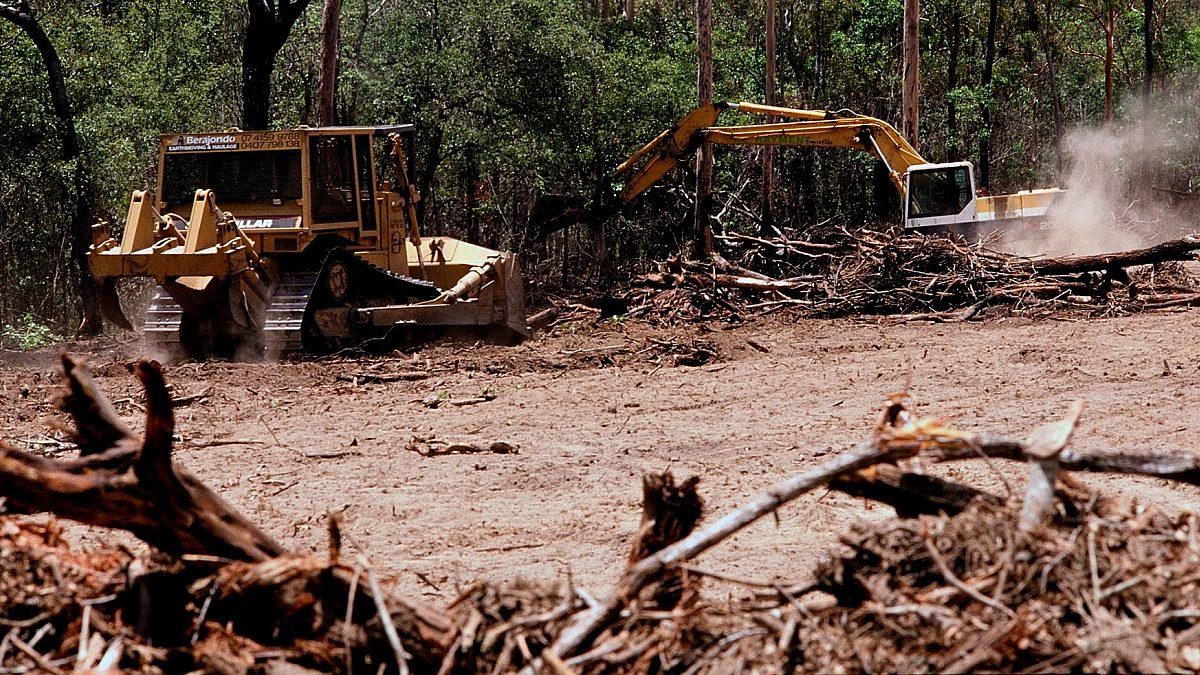
Deforestation and land clearing in Queensland
Deforestation in Australia has now reached globally significant levels, driven largely by land clearing in Queensland.
Queensland’s latest land clearing figures cement the state as leading Australia’s deforestation crisis.
On National Trees Day 2023, the Queensland Government released the 2020-21 Statewide Landcover and Trees Study (SLATS) report. The report shows 349,399 hectares of land was cleared during the reporting period of 2020-2021, cementing Queensland as the national leader in deforestation and continuing Australia’s unenviable international status as a hotspot for deforestation.
While the decrease in deforestation and clearing for this year is welcome, footage taken in 2023 in Central Queensland, highlights the devastating reality of broadscale land clearing. Land clearing and deforestation are still driving environmental destruction in Queensland.
The drone footage obtained by Wilderness Society and Queensland Conservation Council shows a now flattened region that included Matters of National Environmental Significance habitat for more than 20 species, including the Endangered Northern Quoll.
Likely koala habitat cleared in shocking new footage
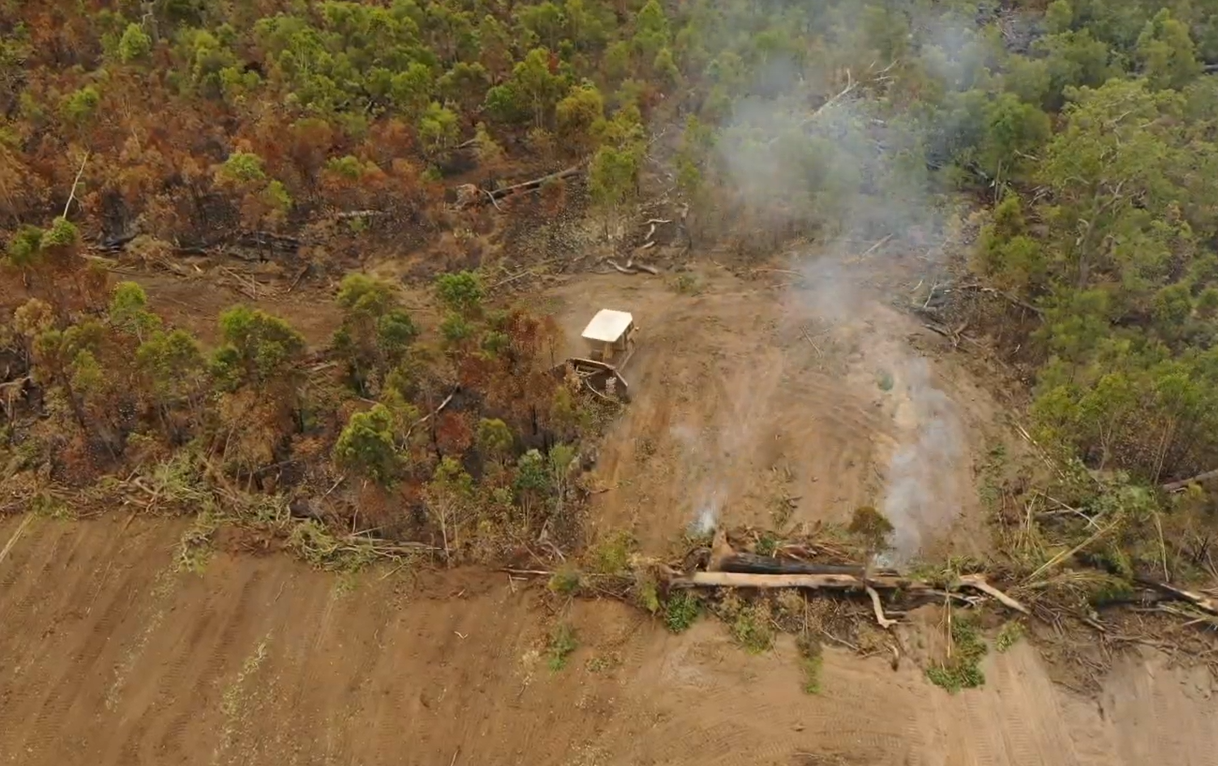
Recent drone footage has exposed shocking clearing of likely koala habitat in Far North Queensland, as our latest report, What’s at ‘steak’?, revealed more than one million hectares of forest was cleared for beef from 2014-2019.
The report coincided with the discovery of approximately 115 hectares of clearing of high value regrowth forest (known as Category C vegetation) through the Wilderness Society's monitoring platform, Watch on Nature.
Deforestation in Australia driven by Queensland
On 11/02/22 the government officially listed the koala as Endangered in Queensland, NSW and the ACT. For species like the koala, we know the biggest problem is the destruction of their forest homes.
With deforestation comes extinction: Australia is the worst offending country for mammal extinctions. Over roughly the last 20 years, koala numbers have declined by almost 50% across Queensland and they have continued to do so. Deforestation—the reduction or complete removal of native forest and bushland—has escalated over the recent years to reach globally significant levels.
Eastern Australia is now a recognised global deforestation hotspot, alongside places including the Amazon, the Congo and Borneo. And the state leading this destructive charge is Queensland.
How do we know deforestation is a big problem in Queensland?
The Queensland government's own data shows what a massive problem deforestation is in the state. The Statewide Landcover and Trees Study (SLATS) report for 2020-2021 shows a decrease in deforestation but it’s still not good news for nature.
The latest Queensland government’s SLATS figures for the year 2020-21 show:
349,399 hectares of forest and bushland was impacted in one year
89% of land clearing activity in Queensland was for pasture
47% of land clearing was in Great Barrier Reef catchments
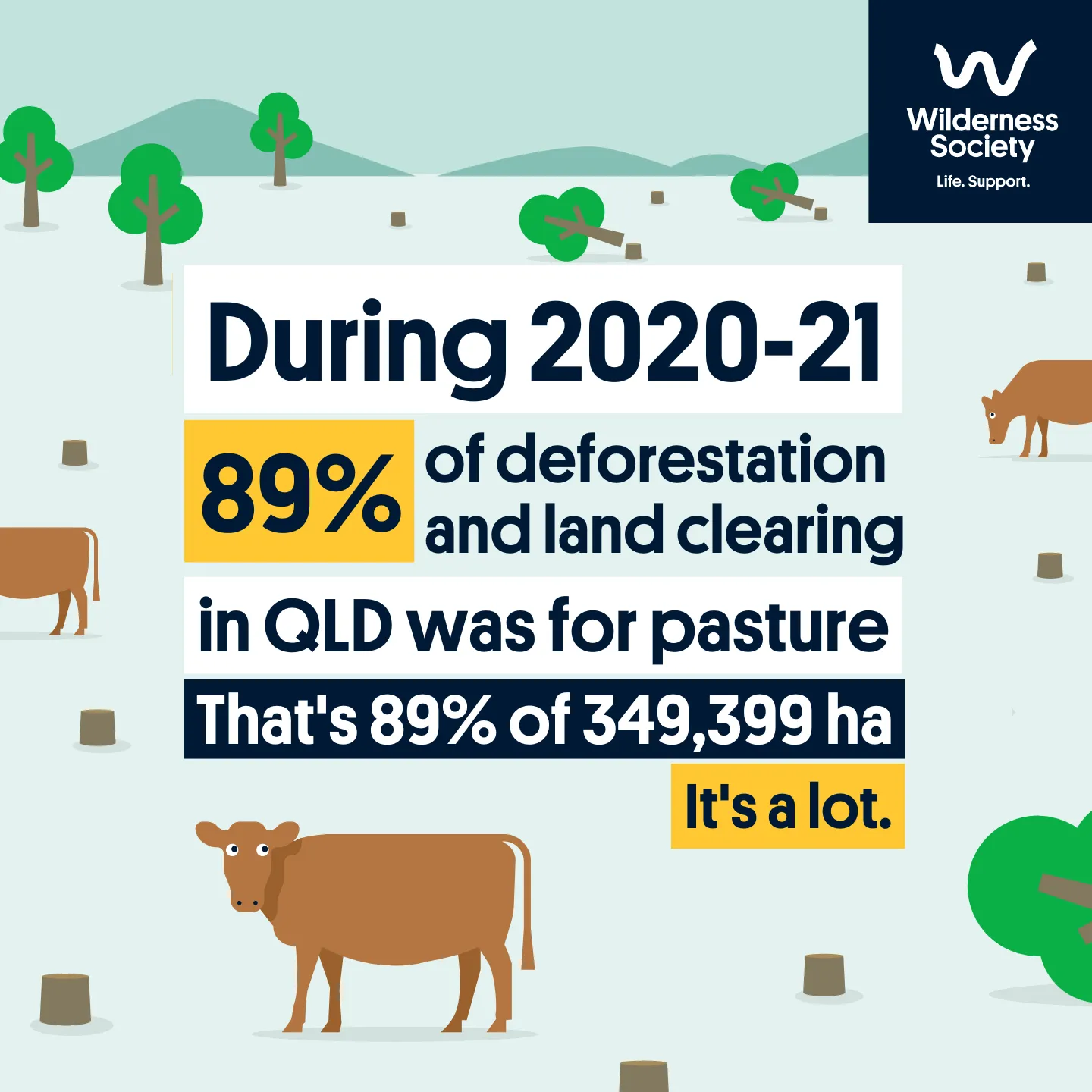
This most recent 2020-21 data was released on Sunday 29th July 2023. It's clear that the destruction of forest and bushland across Queensland continues to be the biggest contributor to Australia's terrible deforestation record.
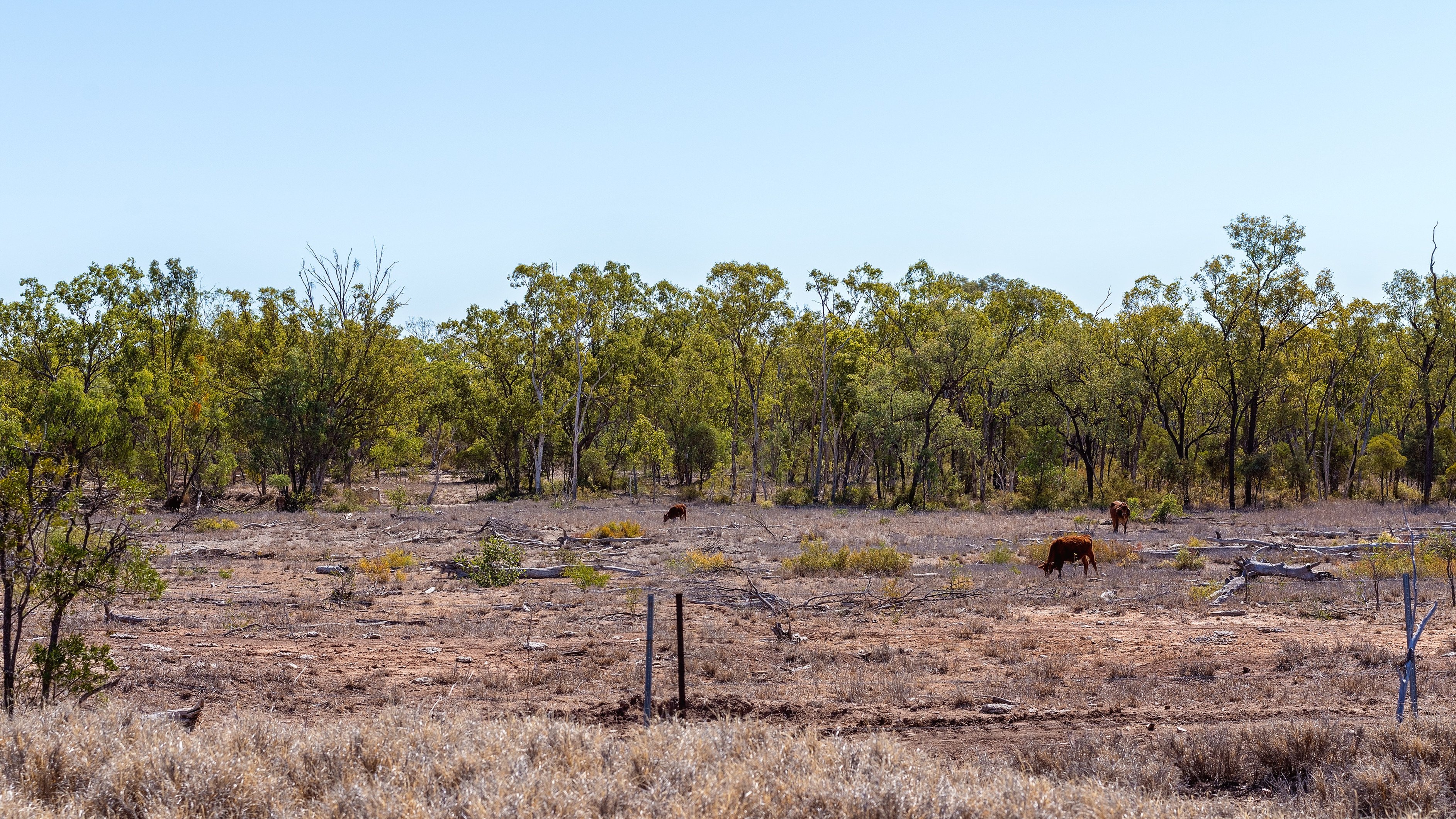
So why is this destruction happening?
Our analysis of the 2019-2020 and previous year’s SLATS data found that shockingly, 920,969 hectares of mapped known or likely to occur koala habitat in Queensland has been impacted by land clearing activity in the last five years of reporting. And around 724,070 ha of that was destroyed for beef production.
With clearing of this scale, no wonder they were recently declared endangered in Queensland, NSW and the ACT.
Koala habitat is being trashed to grow more pasture for cattle.
This continued destruction is devastating for the environment and wildlife. Tens of millions of native animals are killed annually by this scale of clearing. Sediments and chemicals run off cleared areas into waterways that flow out to the Great Barrier Reef—smothering this already struggling icon. Bulldozing trees worsens climate change—carbon dioxide is released into the atmosphere when the fallen trees are left to burn or rot.
Big buyers of Australian beef must go deforestation-free
The beef industry must show leadership and urgently change its practices to stop selling beef linked to deforestation. This change is needed throughout the whole supply chain, from producers through to retailers, such as supermarkets and fast food restaurants.
Major retailers could, and as good corporate citizens should, chose to only buy deforestation-free beef. If this happened, the whole industry would need to clean up its act. But currently, none of the big supermarkets and fast food chains can guarantee that the beef they source and sell is free of deforestation.
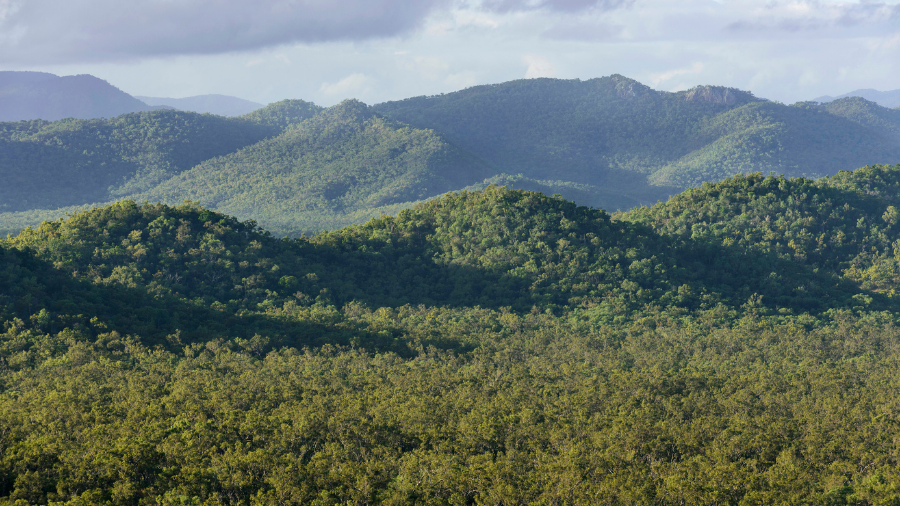
We need to make this an issue they can’t ignore, so that Queensland's spectacular forests and bushland, home to some of the most iconic animals in the world, remain intact and healthy.
Our analysis of the Queensland government's own land clearing data for 2019-20 and the previous year’s reveals that approximately 920,969 ha of known or likely to occur koala habitat in Queensland has been impacted by land clearing activity in the past 5 years of reporting (2015-2020). At least 79% of which was linked to beef.
Over roughly the last 20 years, koala numbers have declined by almost 50% across Queensland alone. If we want to protect Australia's remarkable biodiversity, including its most iconic animals, we must protect habitat. Deforestation has to stop.
With your support, the Wilderness Society recently launched a billboard campaign highlighting deforestation rates across Queensland, and the harm this causes to wildlife.
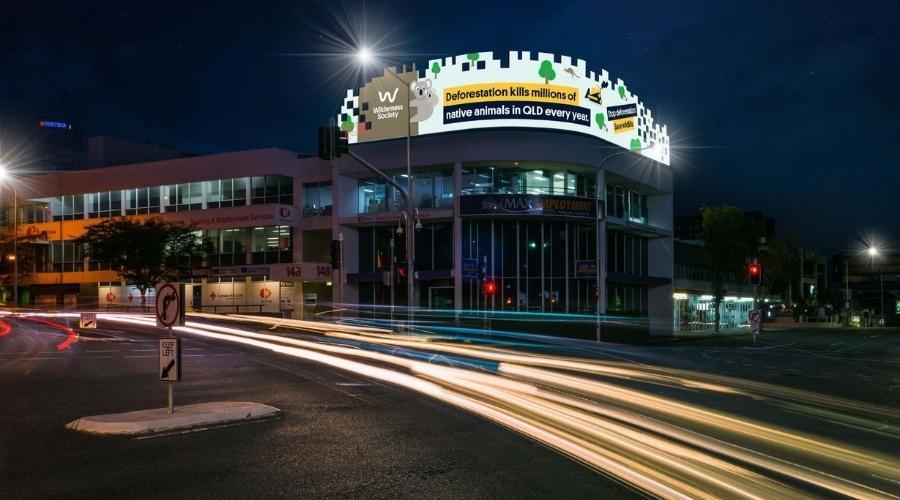
The series of billboards across Brisbane drew attention to the devastating effects that deforestation and land clearing have on wildlife across Queensland.