The Channel Country
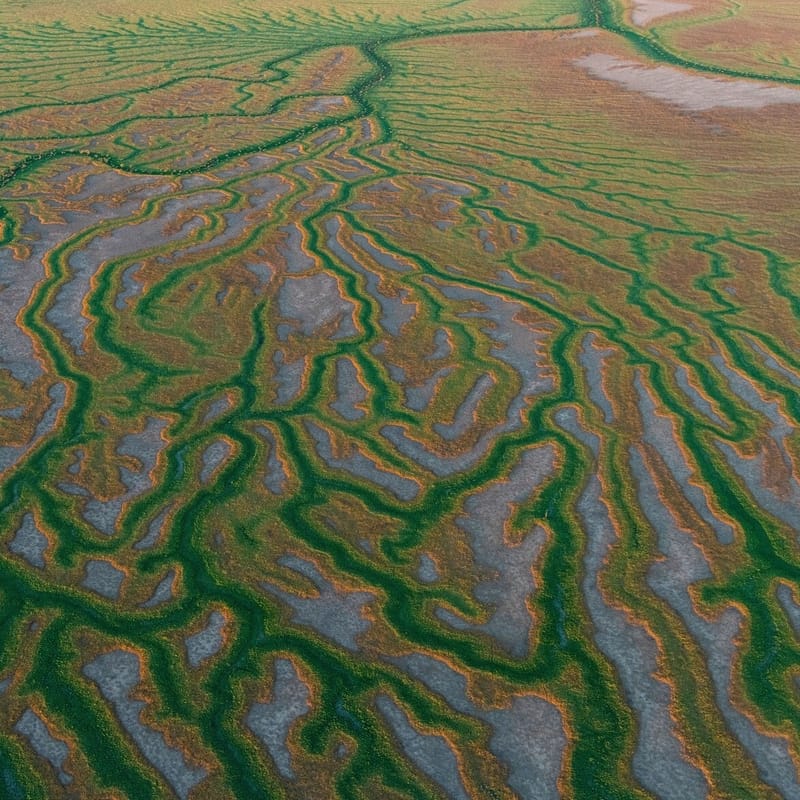
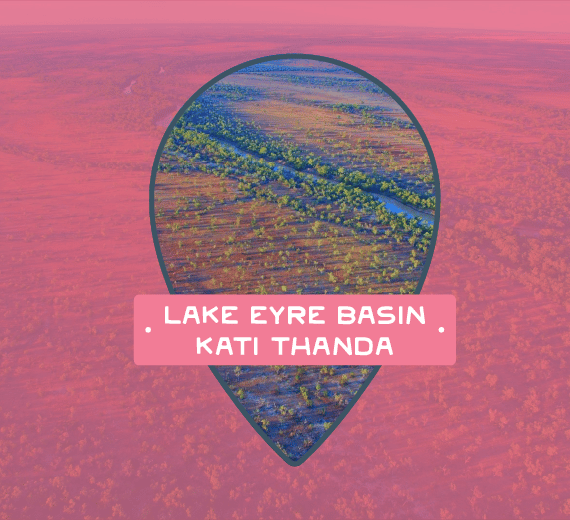
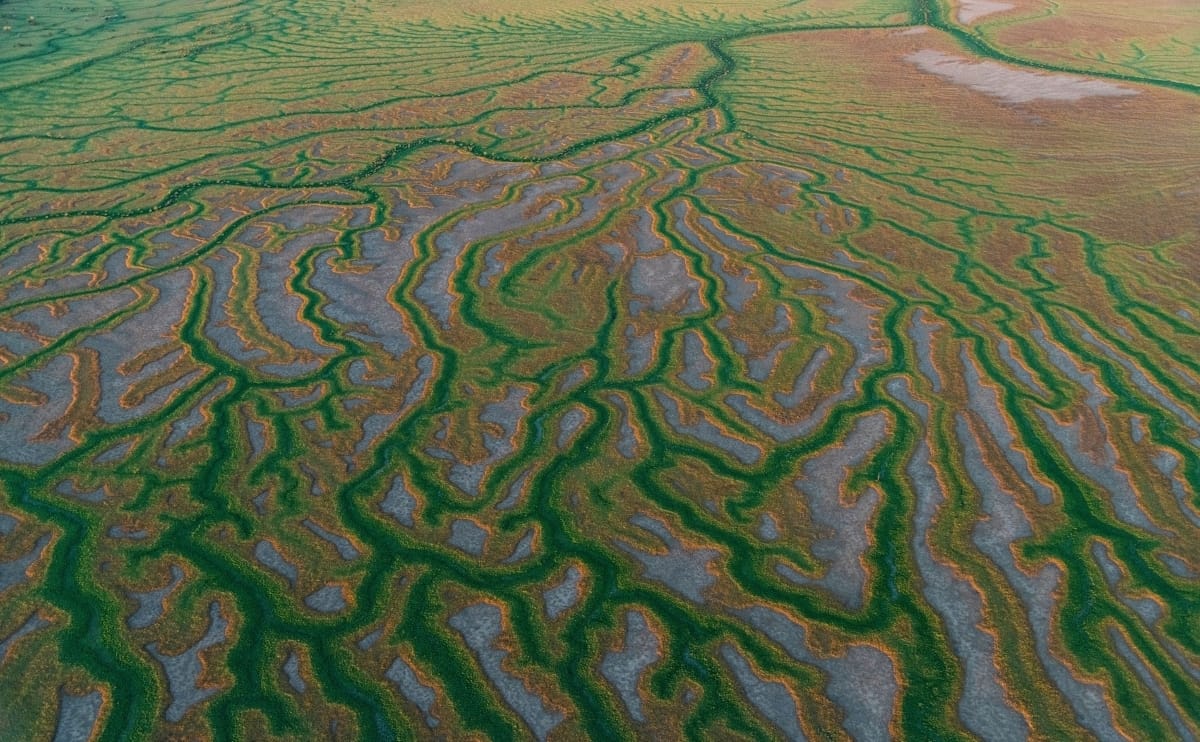
In the heart of Lake Eyre Basin in south-west Queensland, there’s a place where rain transforms the desert into a spectacular network of lush waterways.
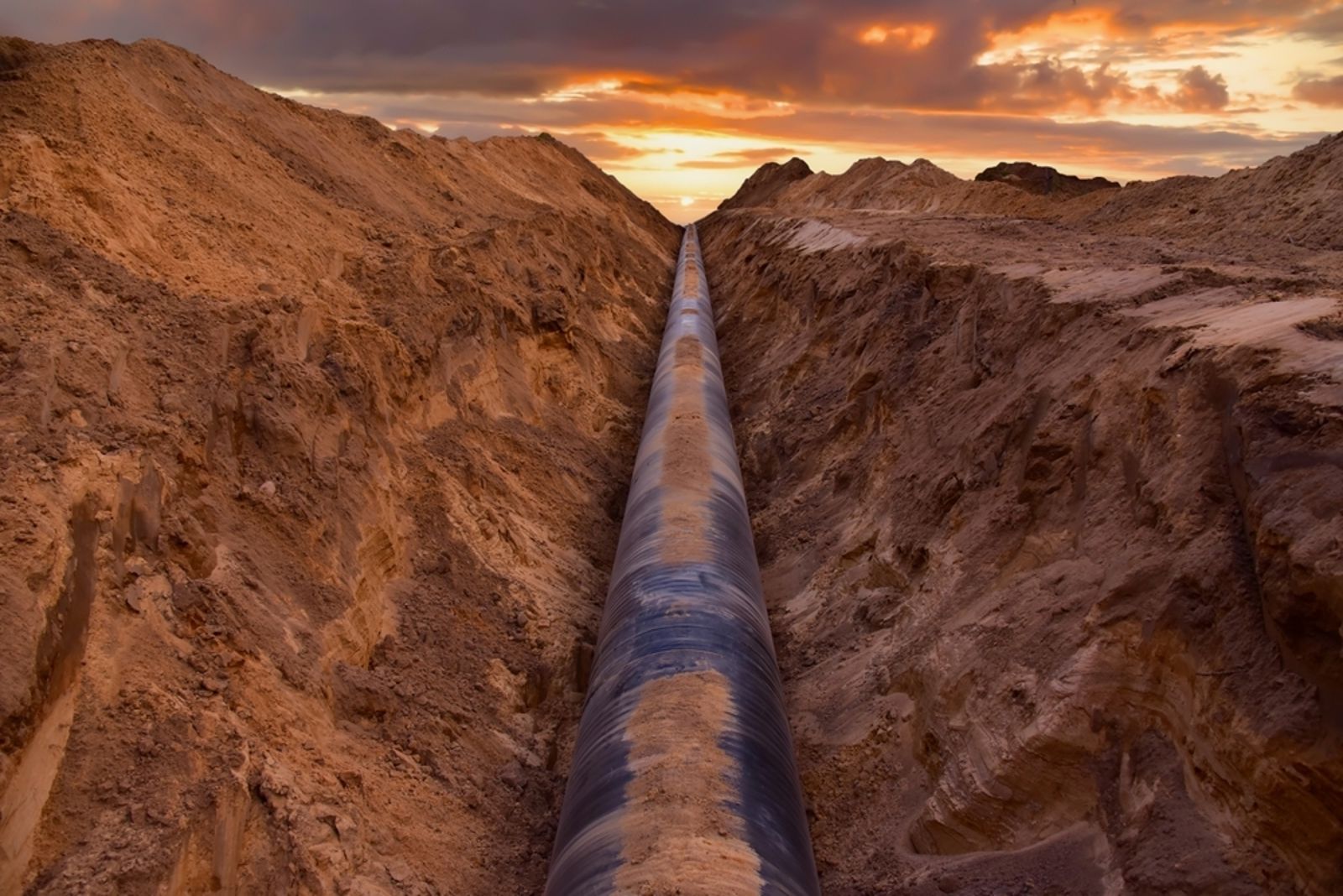
Here’s how we can keep fracked gas out of Australia’s future.
The gas lobby is pushing its way into the places we love—from the free-flowing rivers and floodplains of Queensland's Channel Country, to the ancient springs of the Northern Territory. But without a monster 1,500km export pipeline, all that gas has to stay in the ground.
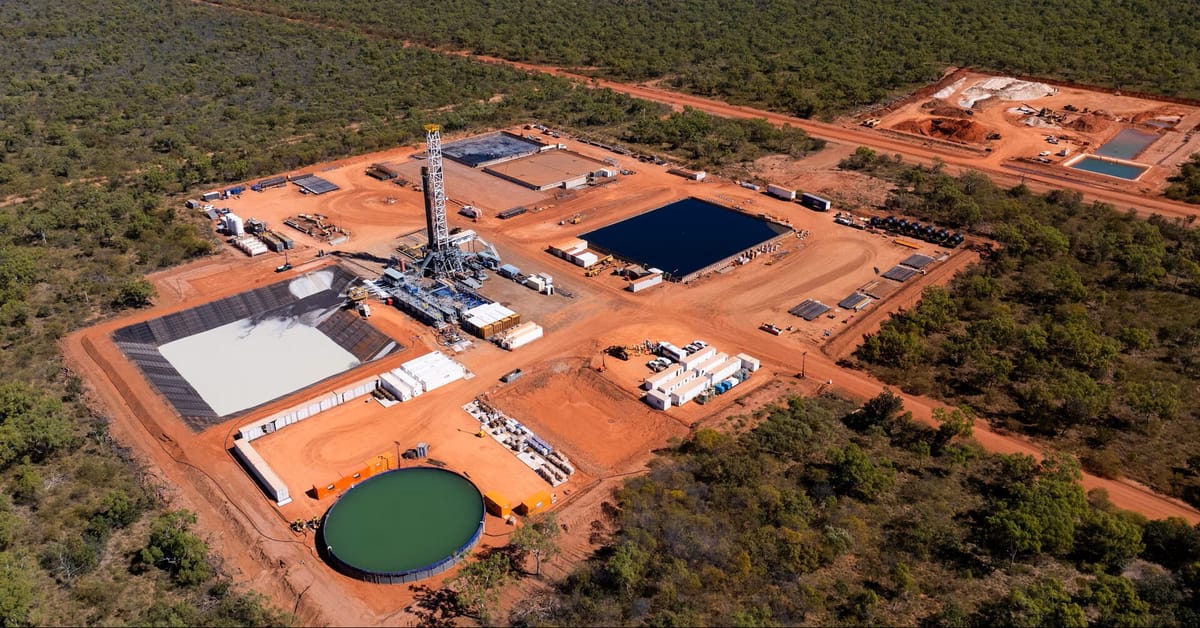
The Beetaloo Basin is a massive gas deposit in the Northern Territory. The gas lobby claims it will become one of the largest onshore fracking fields in the world.
This single gas project has been described as a “climate bomb”. It could generate up to 1.2 billion tonnes of climate pollution over its lifetime.
This would make Beetaloo one of the most polluting projects in Australia—pushing up temperatures and threatening the special places and wildlife we all love.
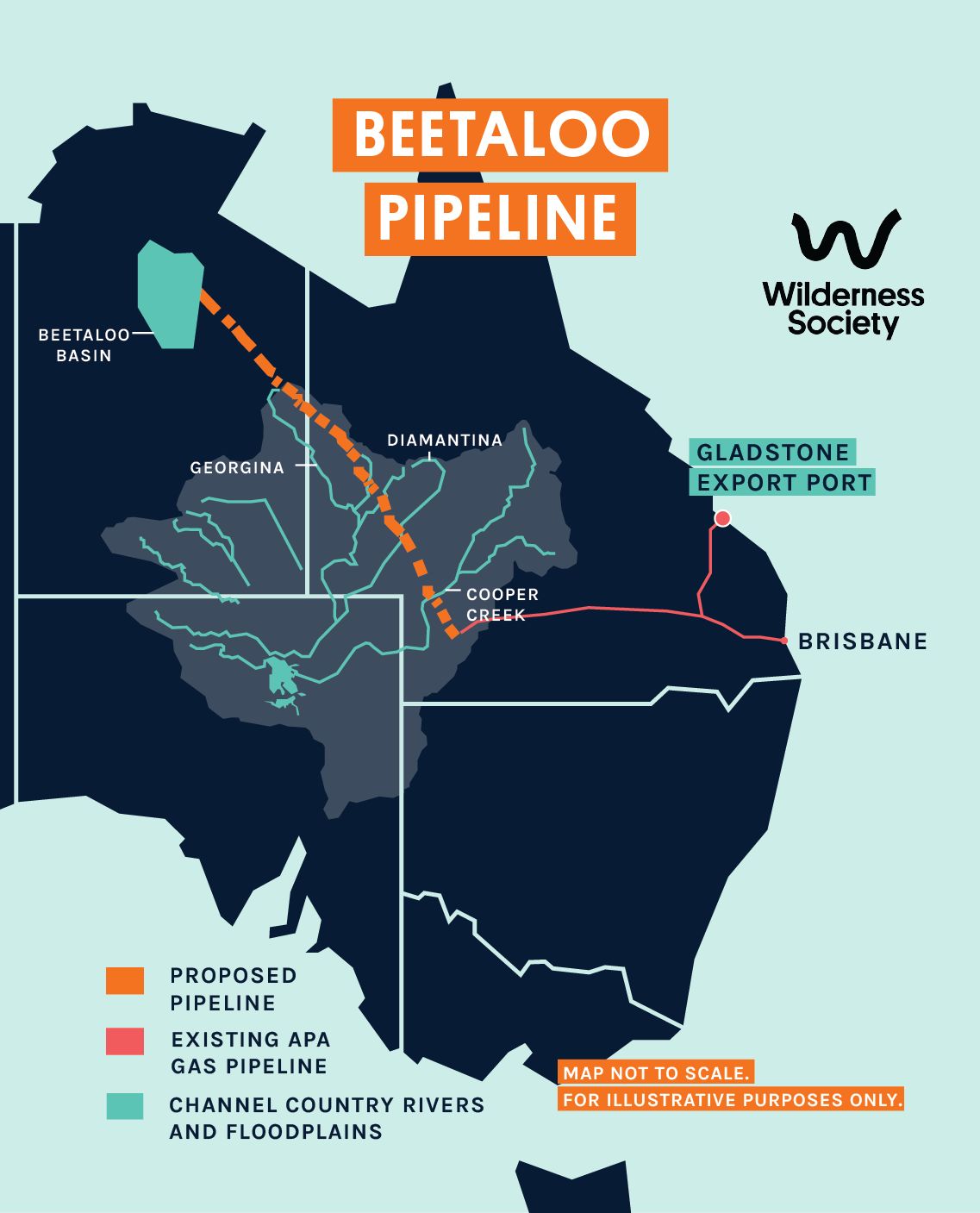
Right now, the gas lobby wants to carve a 1,500km export pipeline through Queensland’s Channel Country, in the heart of the Lake Eyre Basin, to unlock gas fracking in Beetaloo, NT.
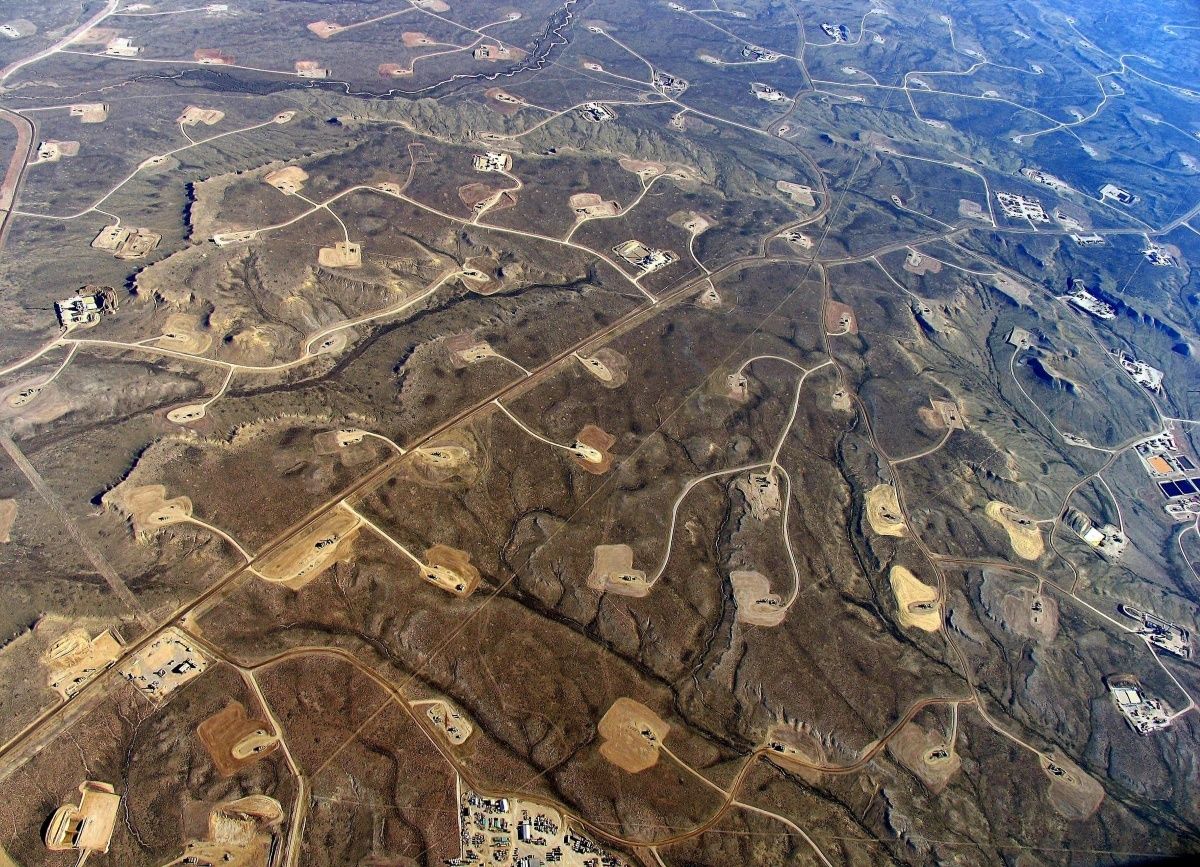
If the gas pipeline goes ahead, up to 6,000 fracking wells will be blasted down into ancient aquifers, poisoning the groundwater with toxic chemicals.
The fracked gas would then be shipped overseas.
In the heart of Lake Eyre Basin in south-west Queensland, there’s a place where rain transforms the desert into a spectacular network of lush waterways.
“The Channel Country is one of Earth’s last free-flowing desert-river ecosystems, home to endangered and critically endangered native wildlife. It’s vast and unspoilt—and no place for a pipeline.” - Dr Kirsty Howey, Wilderness Society CEO
Australians have nothing to gain and everything to lose from this project.
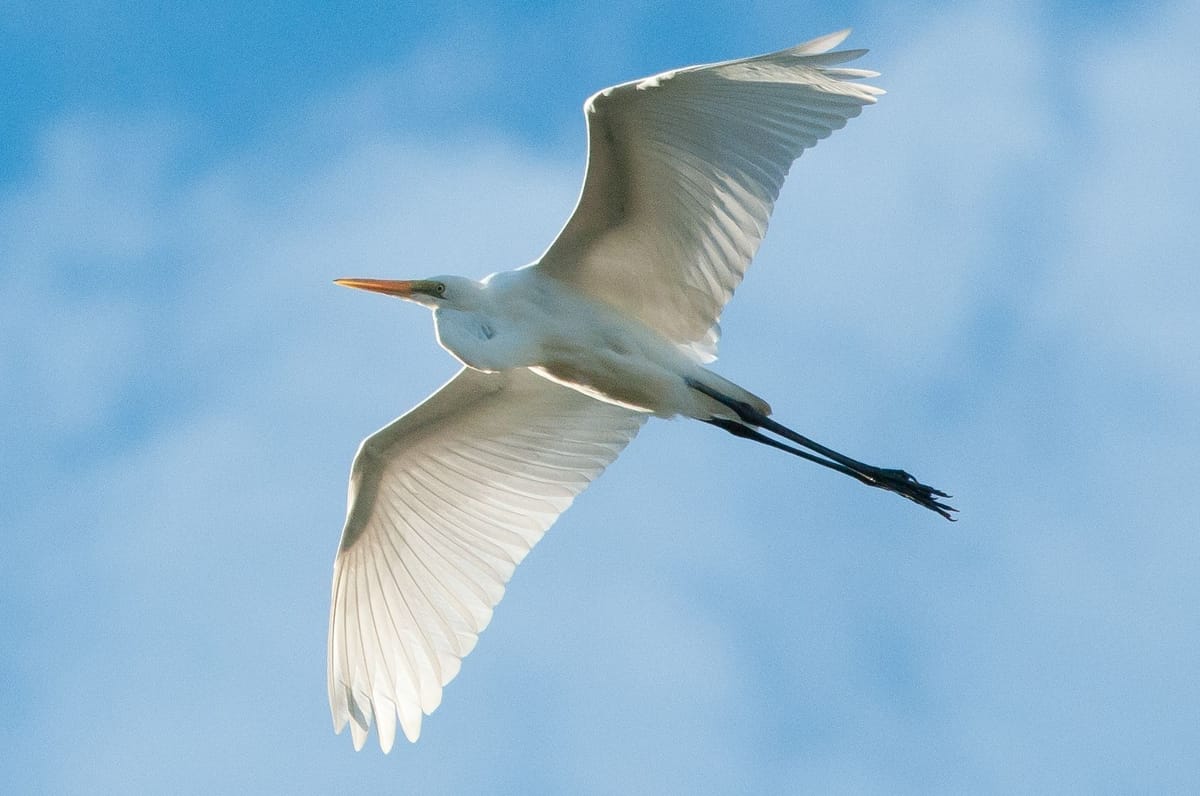
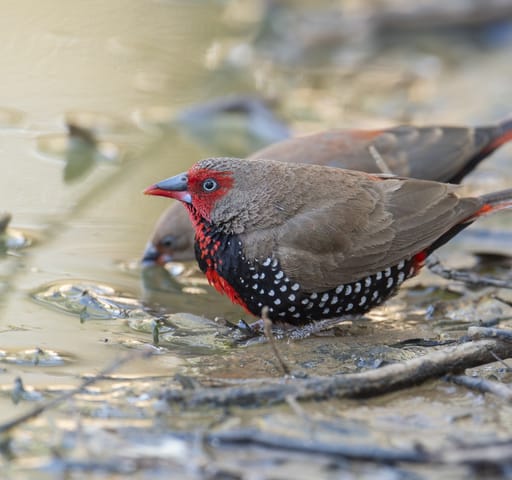
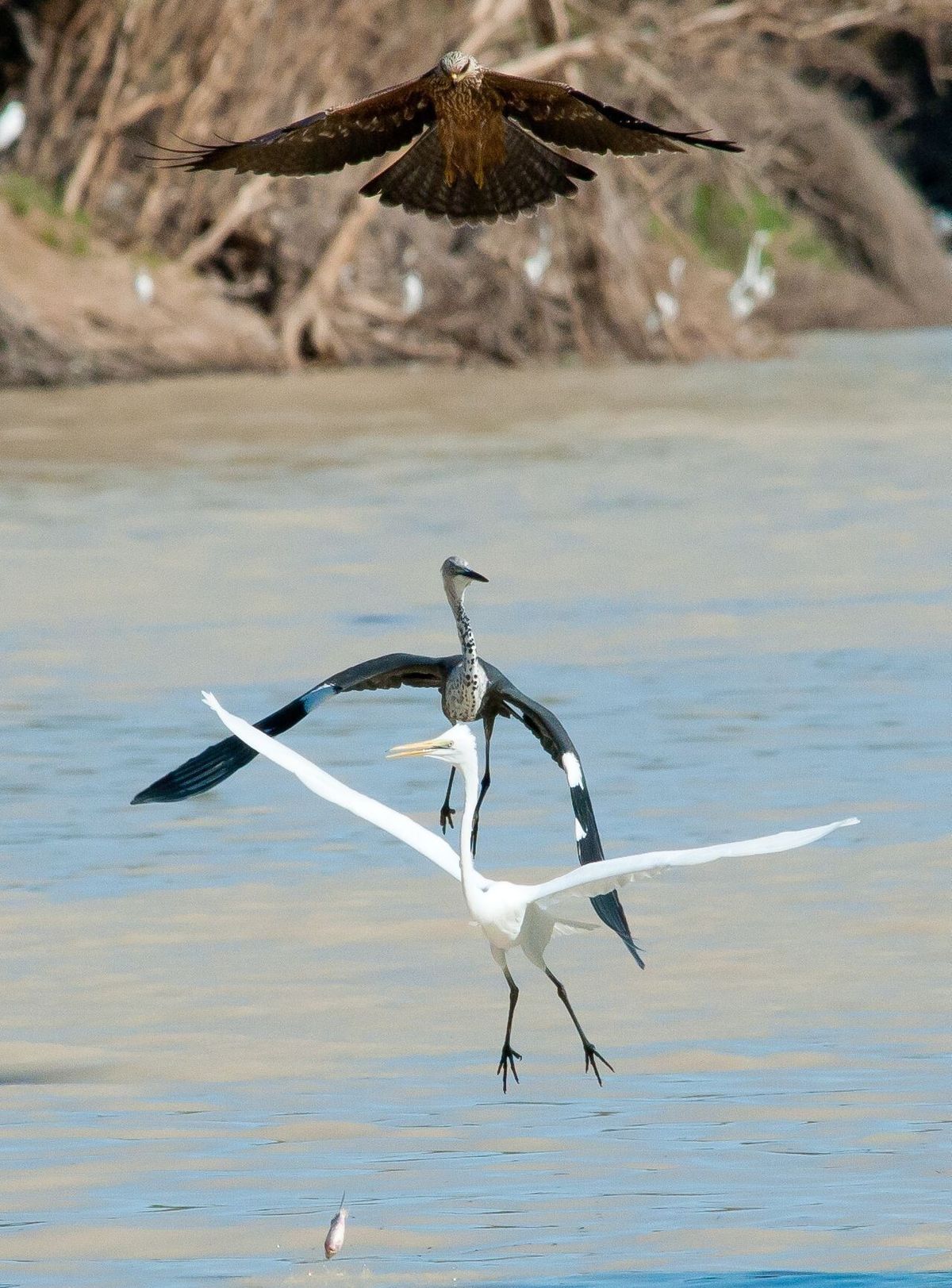
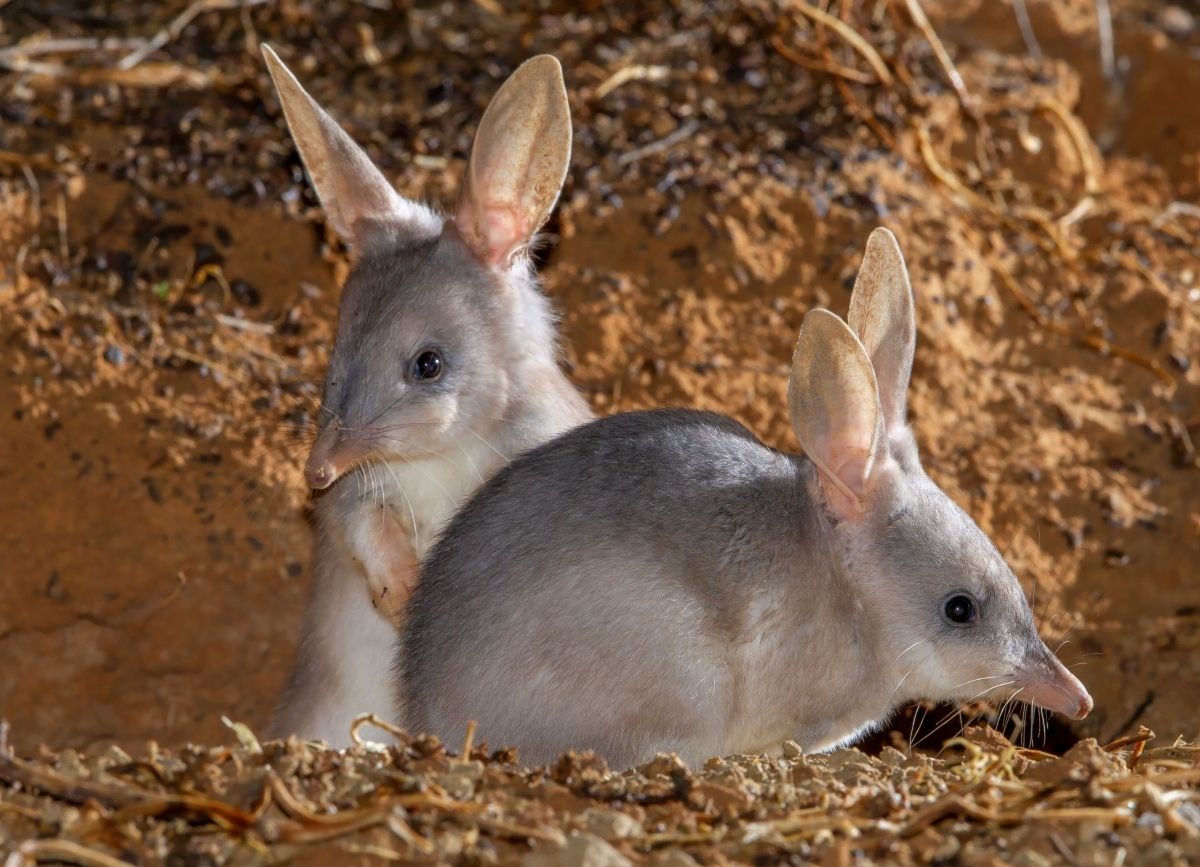
The Channel Country is home to vulnerable, endangered and critically endangered native wildlife like kowaris, greater bilbies, night parrots, plains wanderers and red-finned blue eyes. For some of these animals, this region is their last and only stronghold. If the delicate balance of this rare desert-river ecosystem is disrupted, it could spell the end for these species.
If it goes ahead, the export pipeline wouldn’t just disrupt the surface flows of the Channel Country’s spectacular rivers and floodplains. It would unlock a massive gas fracking explosion in the Beetaloo sub-basin, poisoning ancient groundwater reserves with toxic chemicals. It puts precious waterways at risk, including Mataranka Hot Springs and the Roper River in the NT.
With the export gas pipeline in place, this single gas project would generate up to 1.2 billion tonnes of climate pollution over its lifetime. This would make Beetaloo one of the most polluting projects in the country—pushing up temperatures and threatening the special places and wildlife we all love. Stop the pipeline, stop Beetaloo.
Traditional Owners, locals, graziers, environmentalists, scientists and thousands of Queenslanders have already made their views clear: the Channel Country is no place for gas. In 2024, after receiving over 20,000 submissions in the public consultation period, the Queensland government listened and banned new oil and gas developments in the Channel Country. If the Beetaloo pipeline goes ahead, it will fly in the face of the community’s wishes.
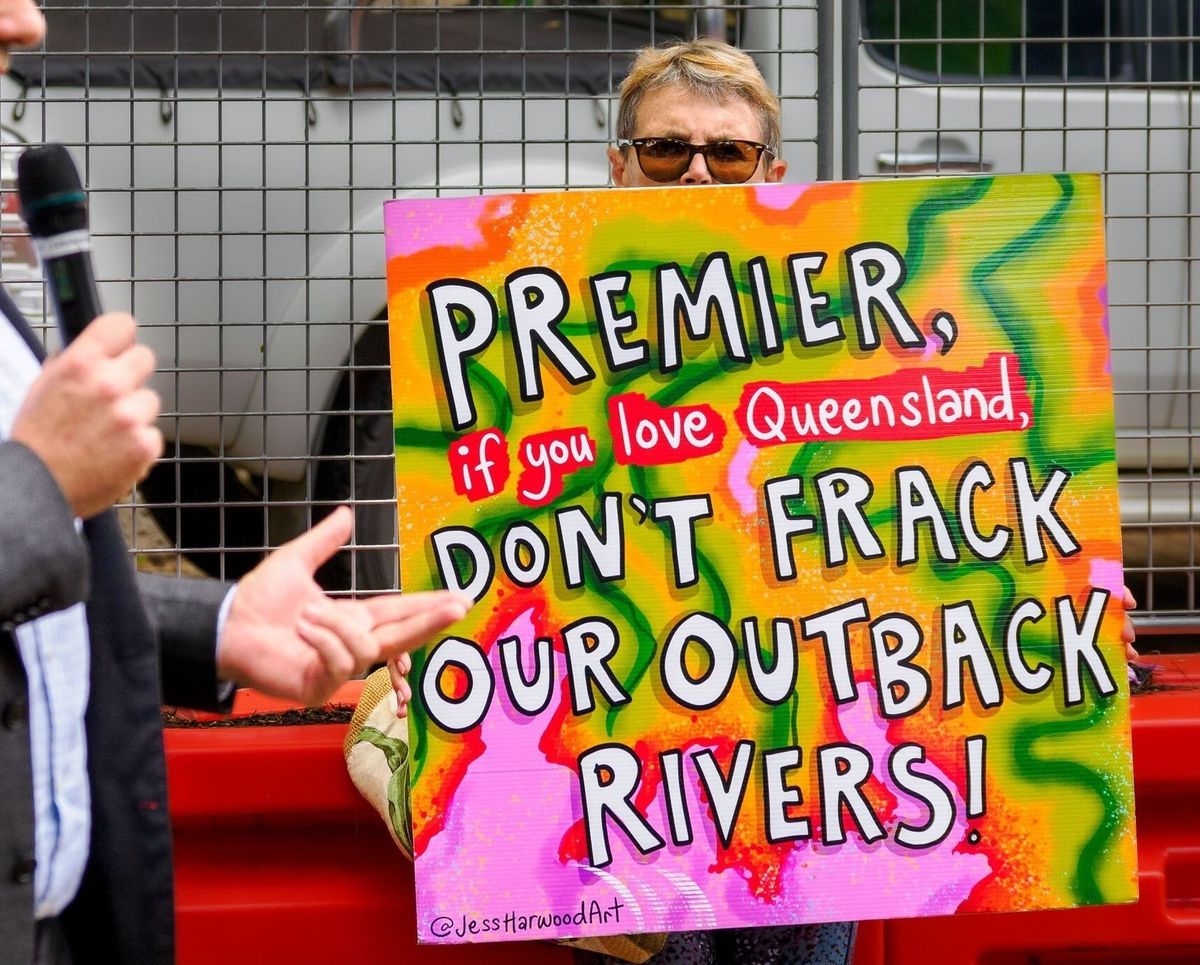
While Australians do it tough, gas companies continue to rip us off: raking in super profits, not paying their fair share of tax or royalties, and not cleaning up after themselves. Meanwhile, 80% of Australia’s gas is shipped overseas—at a massive cost to our climate and environment.
Wilderness Society has already built an empowered community who have repeatedly communicated with decision-makers about the need to protect the Channel Country from oil and gas development.
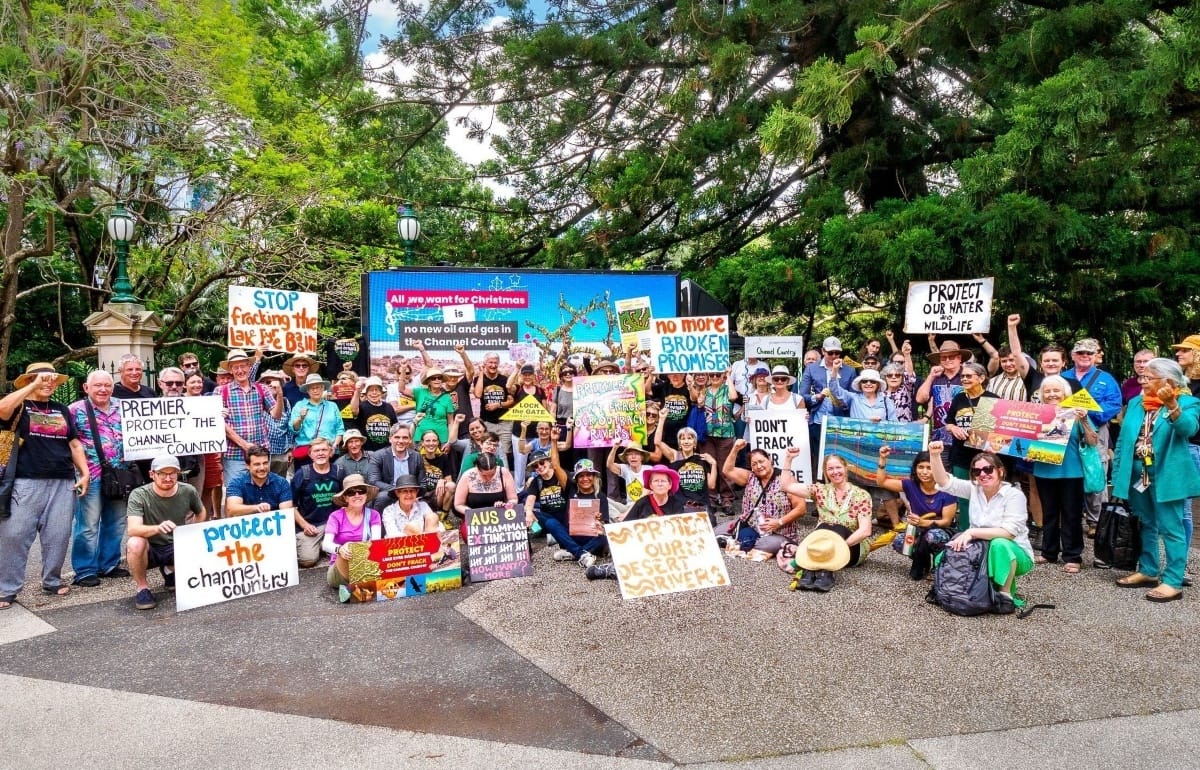
Right now, we’re re-engaging and mobilising that community to take on this latest threat: the Beetaloo pipeline. Together, we’re calling on Environment Minister Murray Watt to conduct a full Environmental Impact Assessment of the project.
The best time to stop a destructive gas project is before it starts. That time is now.
✍️ Sign our petition calling for a full assessment of the impacts of this pipeline on the Channel Country’s rivers, wildlife and climate.