Iconic places
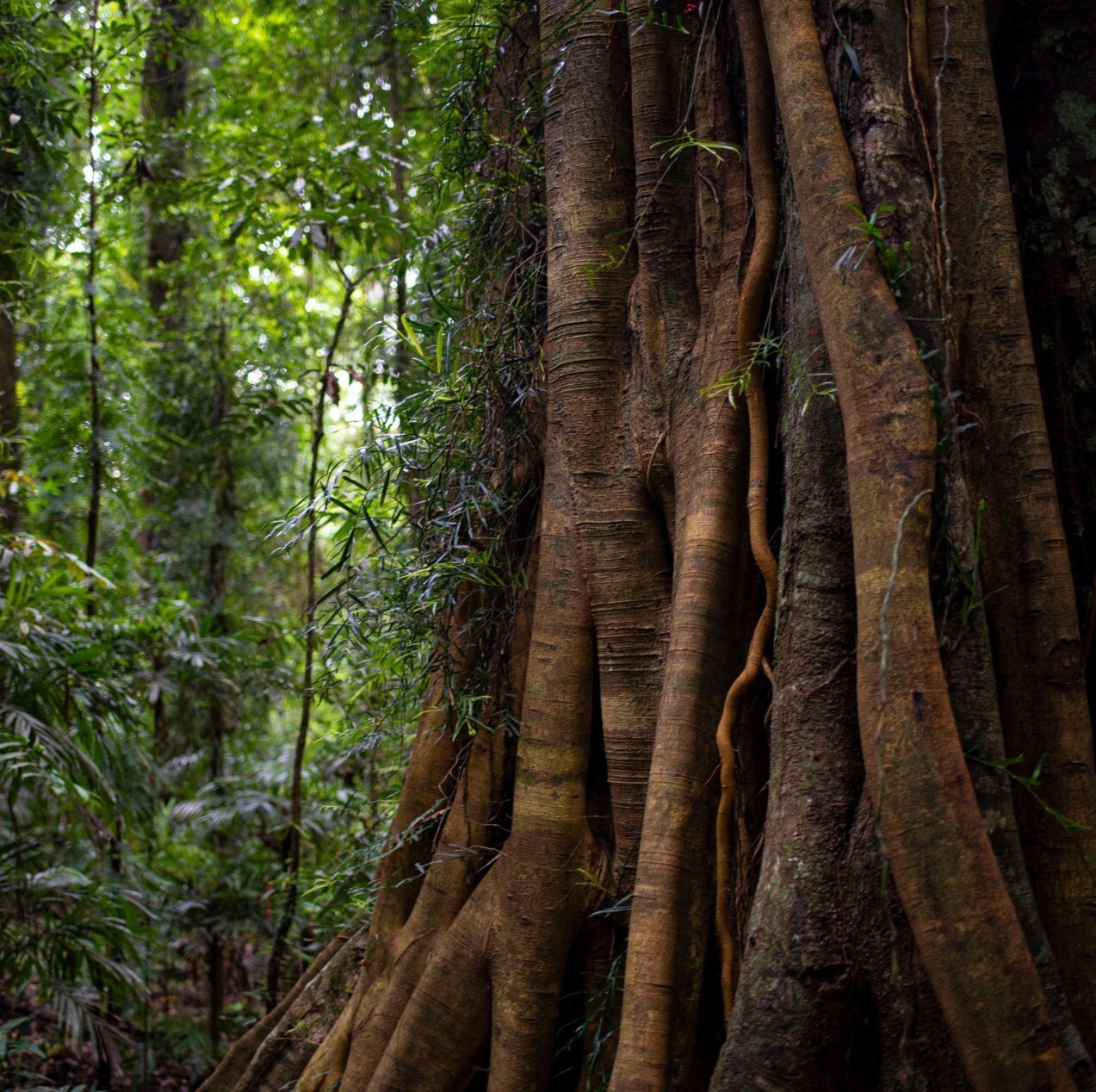
Eastern coastal & range forests
The wet forests of Australia’s east coast are beautiful, biodiverse and must be protected for a safe future.
Your guide to one of our most iconic species
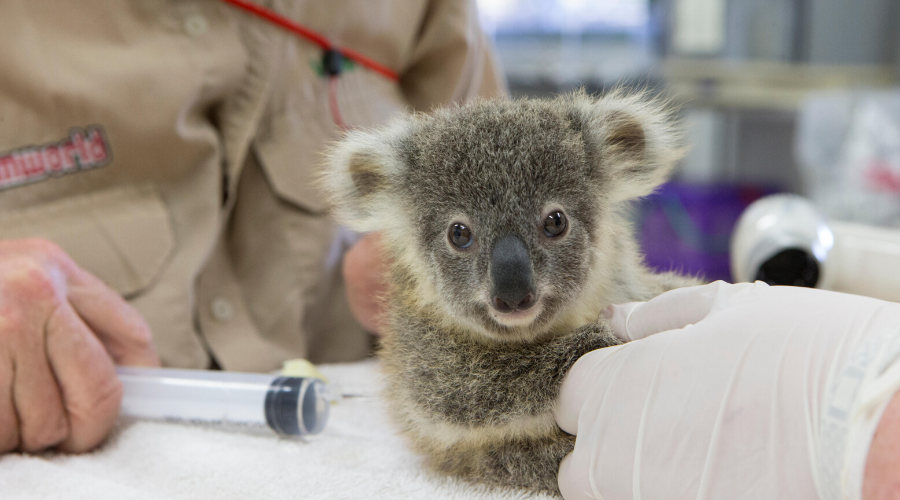
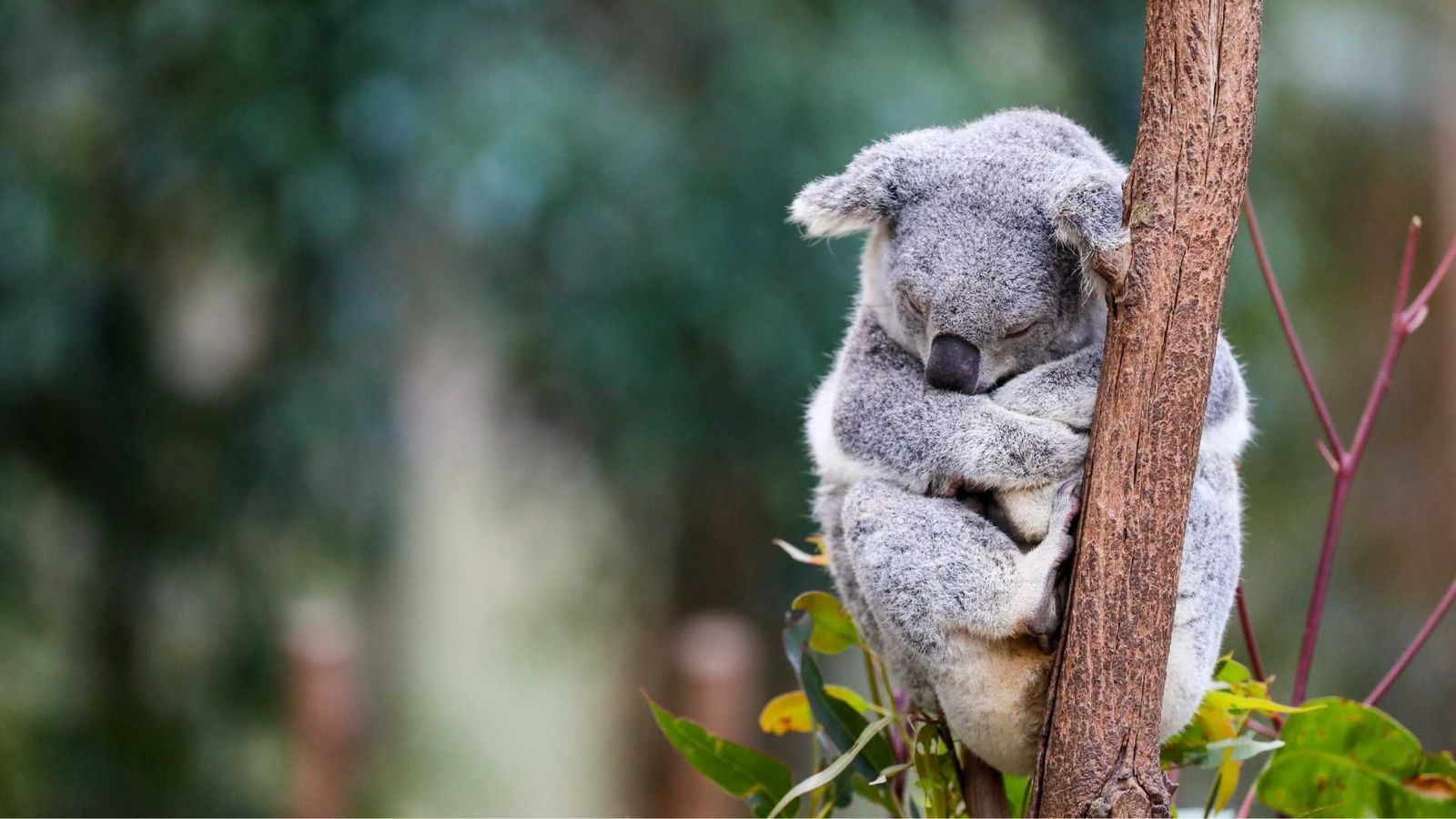
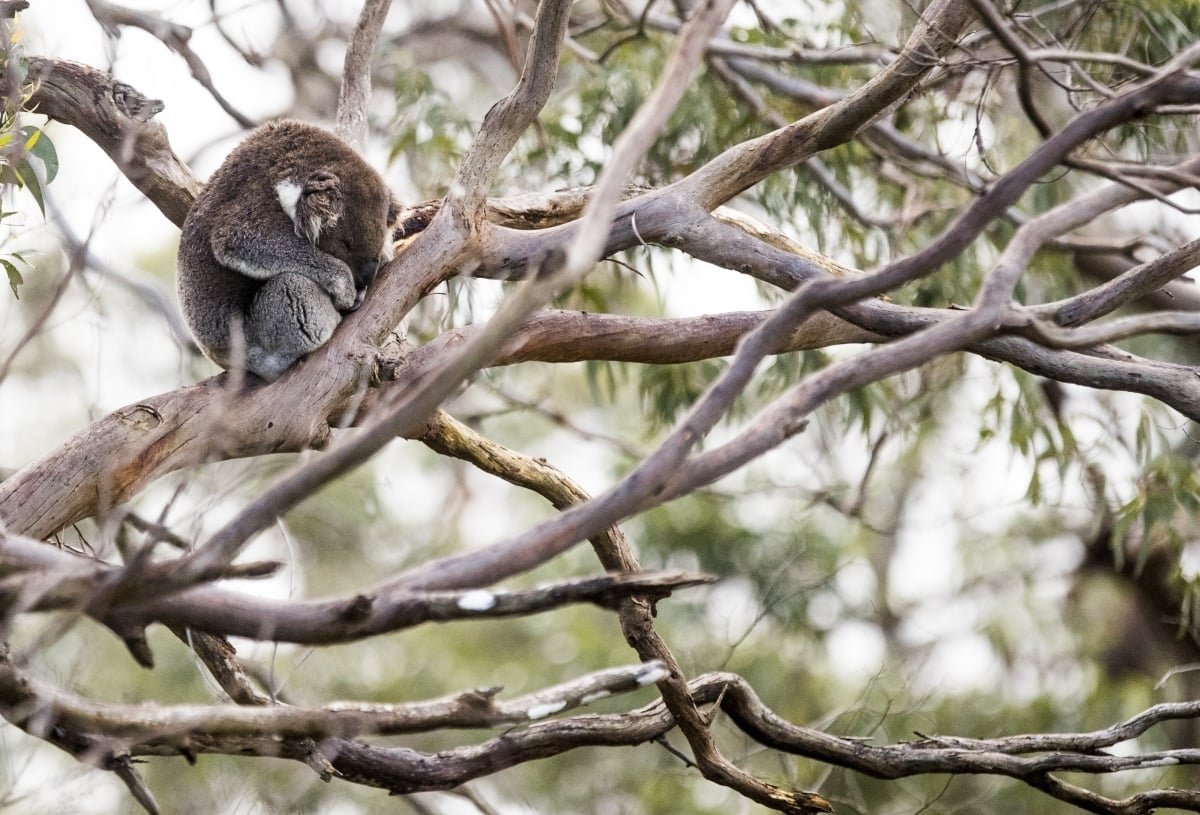
There's nothing quite like wandering through the bush, gazing up and spotting a fluffy koala dozing in the trees above you. It's an experience that can only happen here in Australia.
But now that koalas are officially listed as Endangered in three states—Queensland, NSW and the ACT—sights like these are becoming rarer.
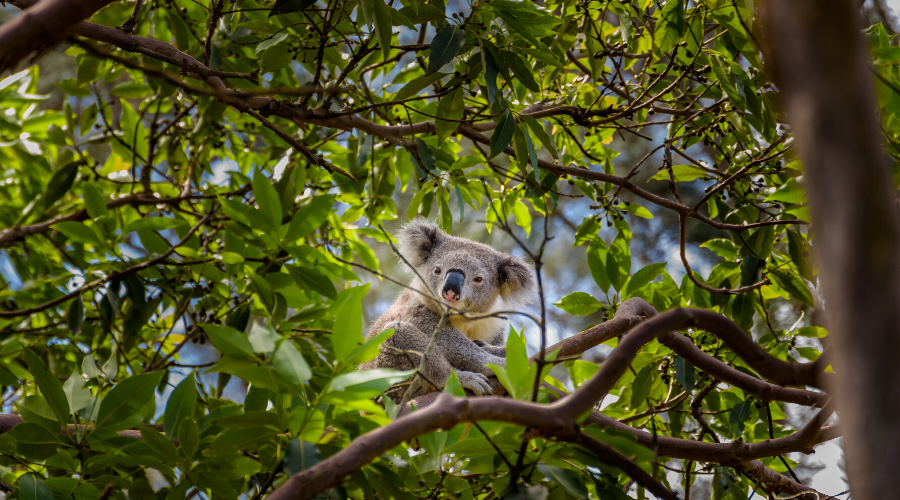
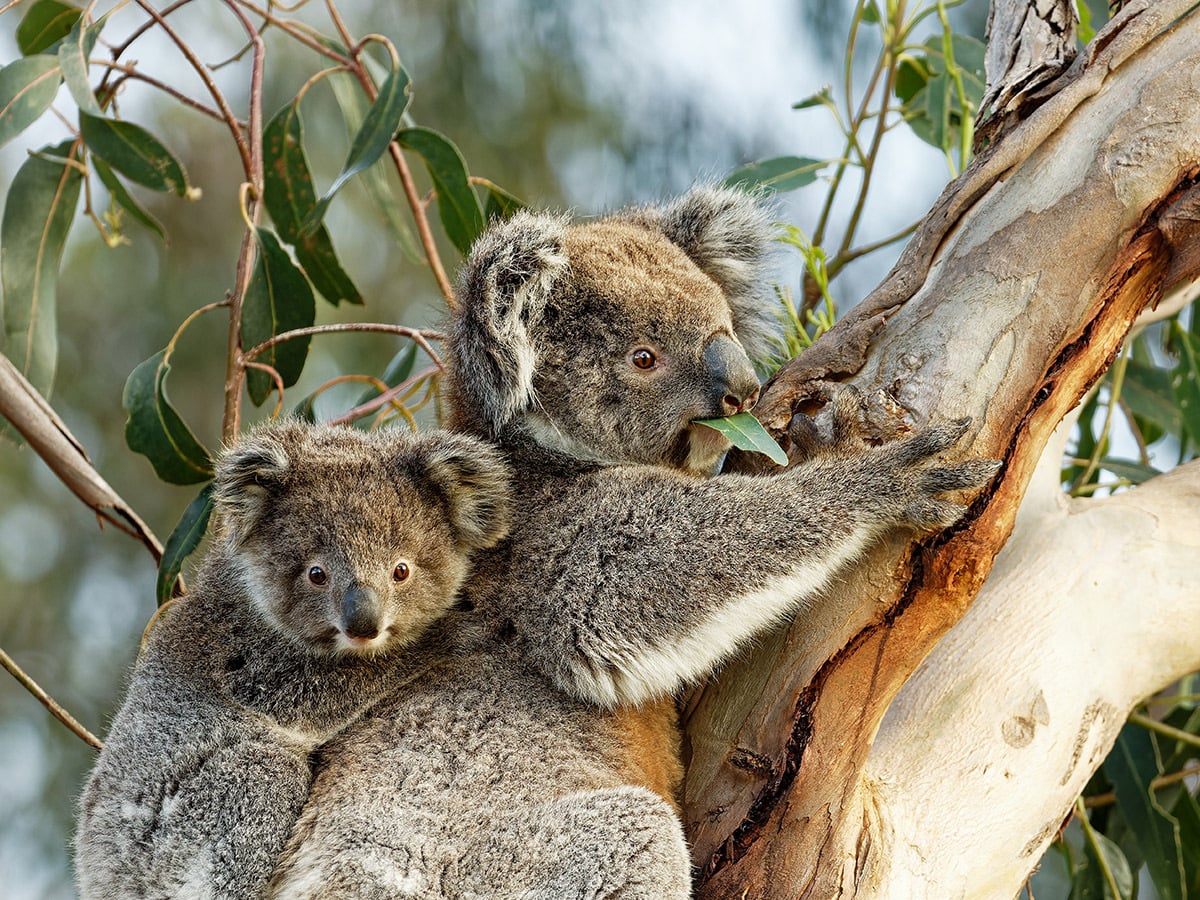
Uniquely Australian, koalas are the only surviving species of an entire mammal family, and have been pictured in First Nations rock art for millennia.
Toxic diet: Koalas only eat eucalyptus leaves, which are toxic to most other animals, and low in nutrients. This means they need to sleep up to 22 hours a day to save their energy!
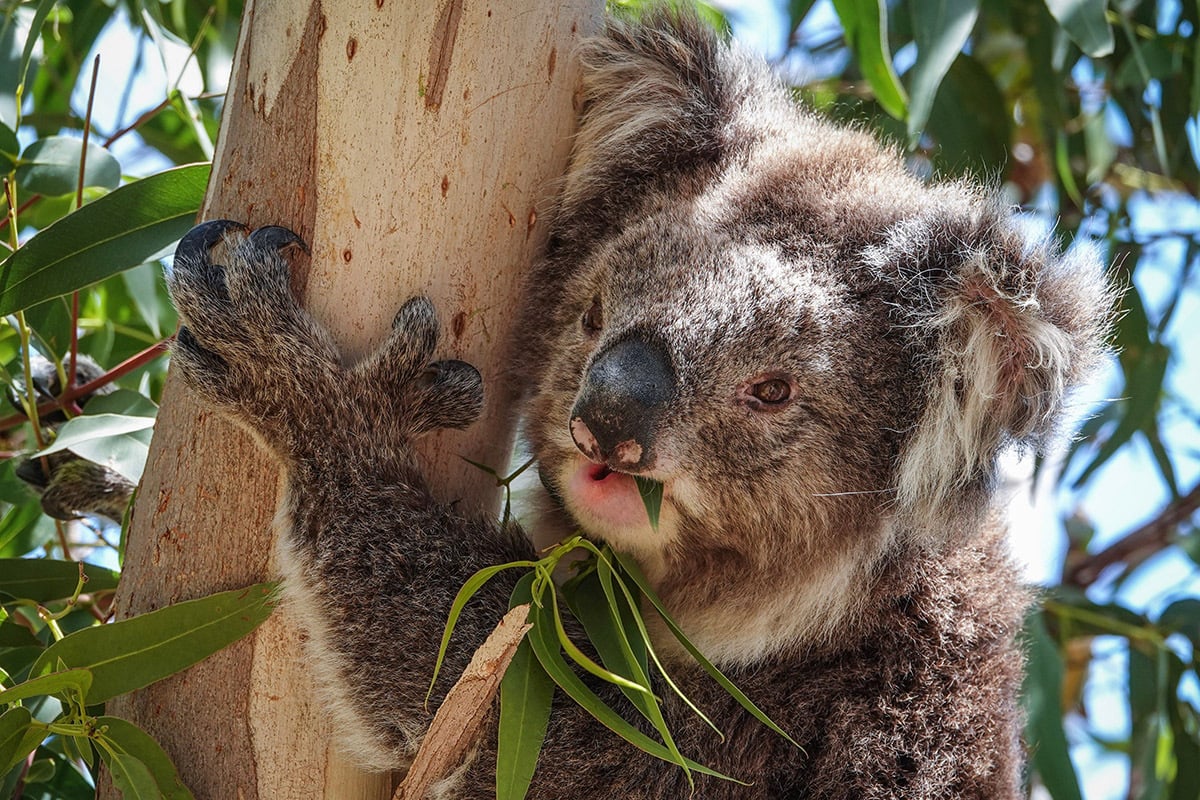
Don’t add water: The name koala comes from an Indigenous Dharug word meaning "no drink" or “no water”. They get almost all their hydration from eucalyptus leaves!
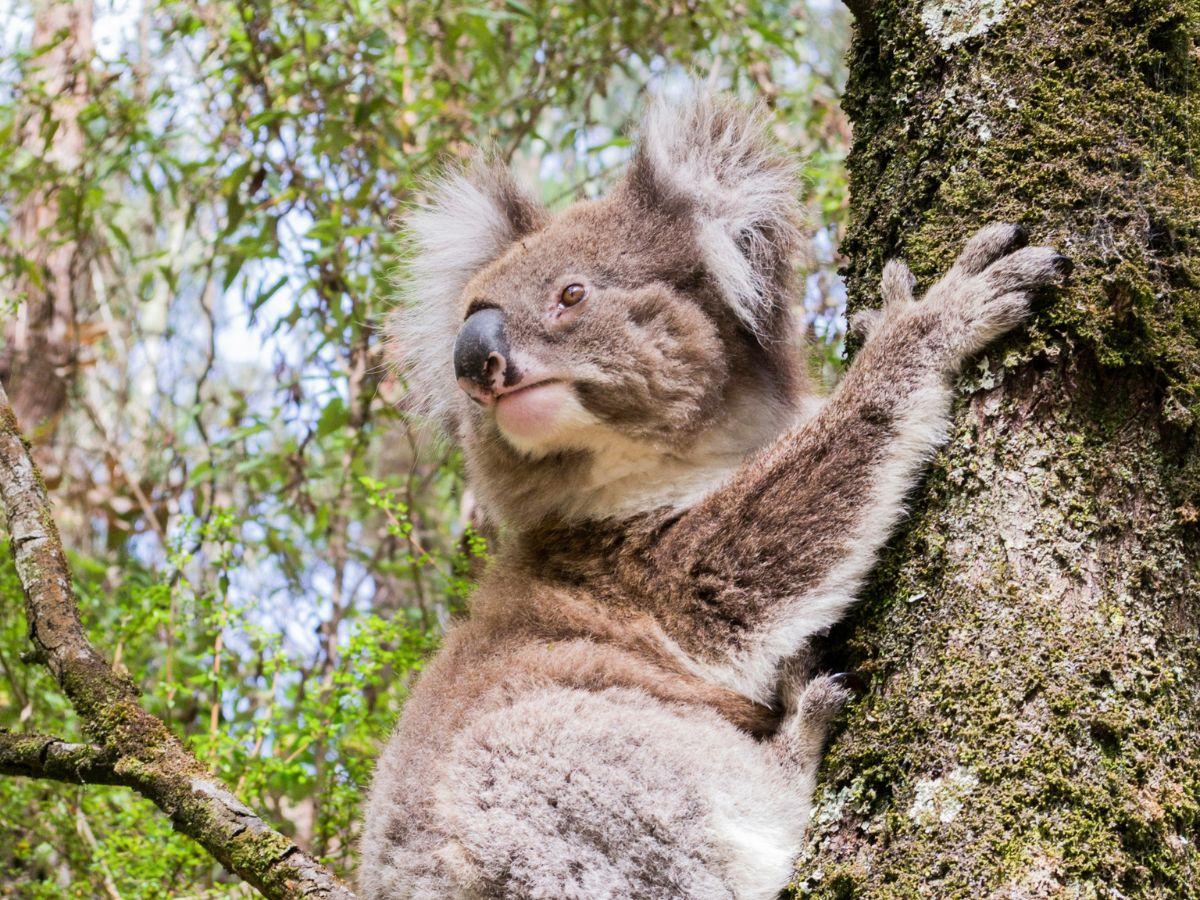
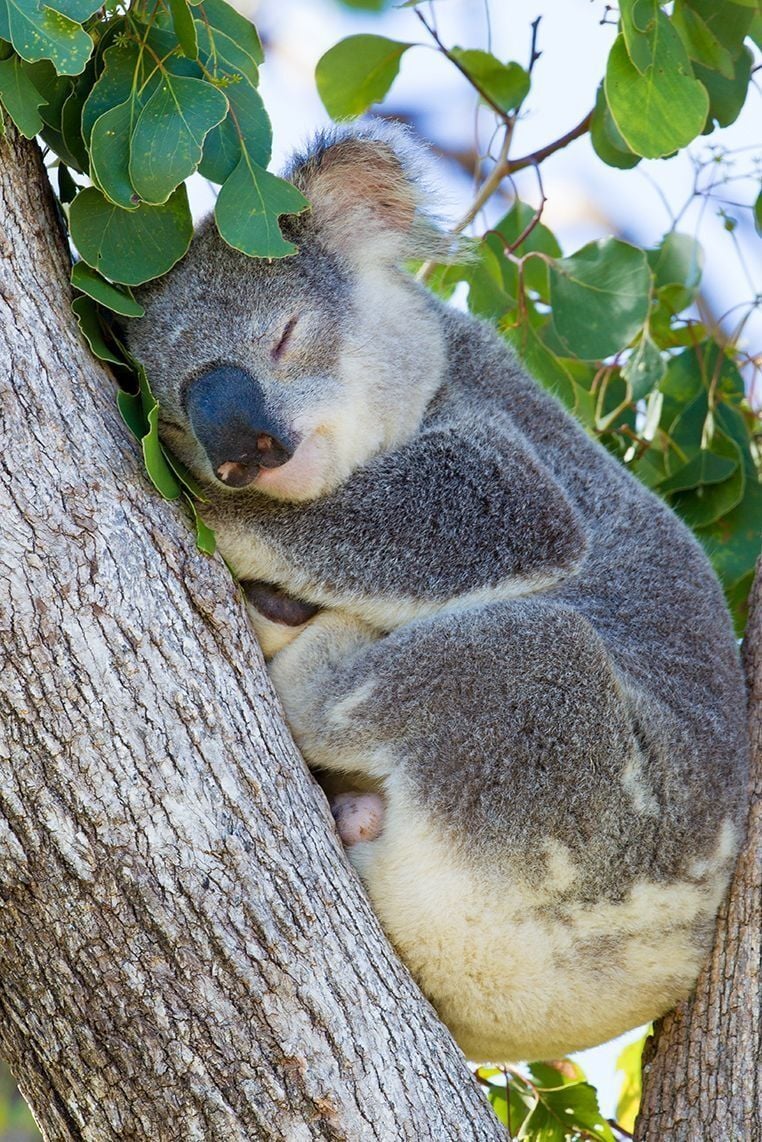
Handy padding: Koalas have thick, cartilage-padded bottoms so they can sit in tree forks for long hours and not get a sore bum!
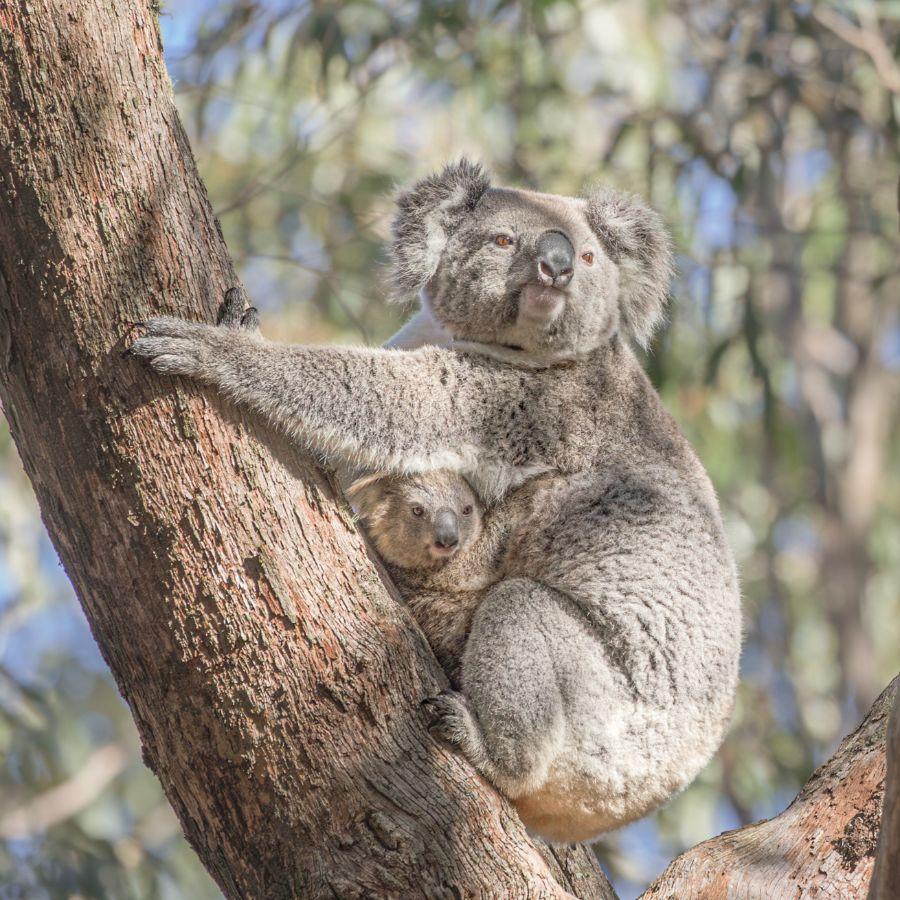
Backwards pouches: Koalas are marsupials, which means they carry their young in a pouch—and their pouches face backwards, so no dirt can get in them while climbing.
Booming voices: A male koala’s bellow can be heard up to a kilometre away! They call like this to attract mates and mark territory—they also rub the scent gland on their chest onto trees to mark their range.
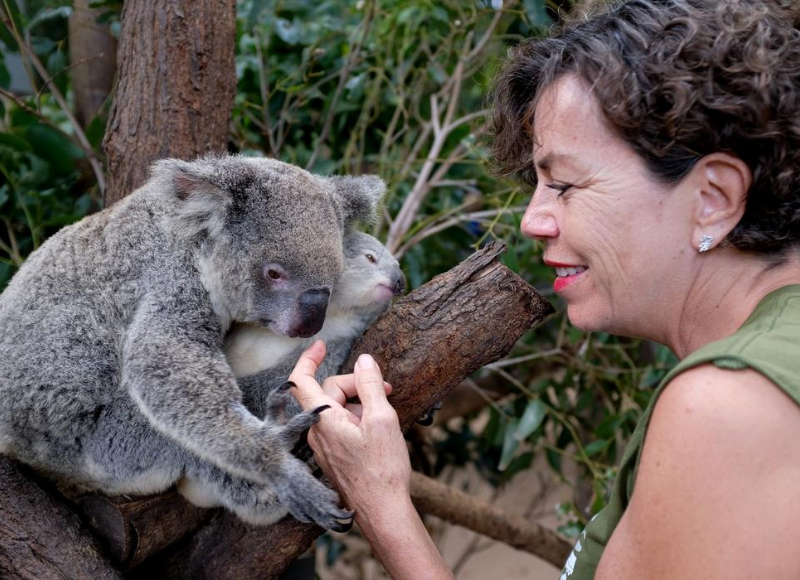
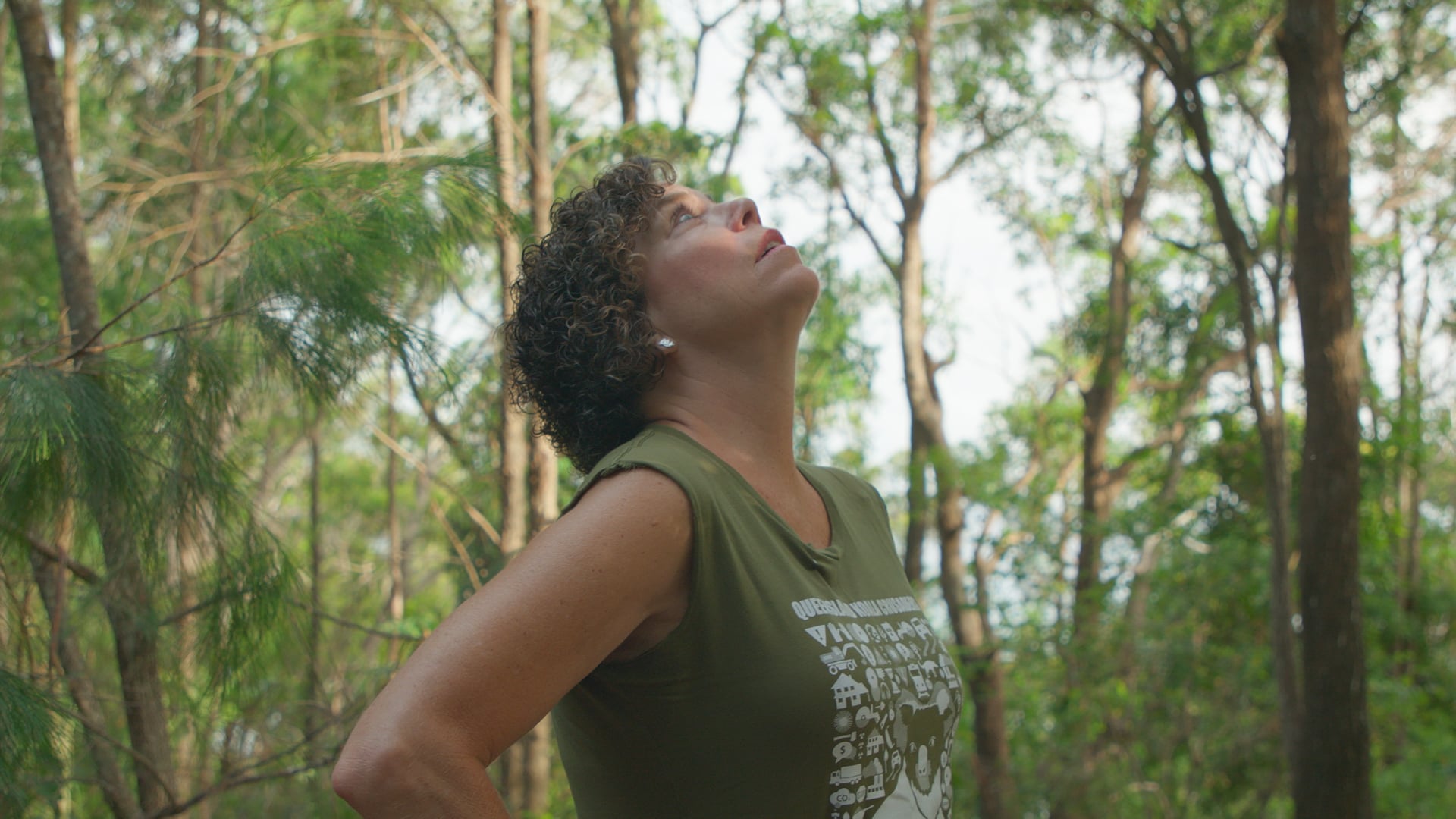
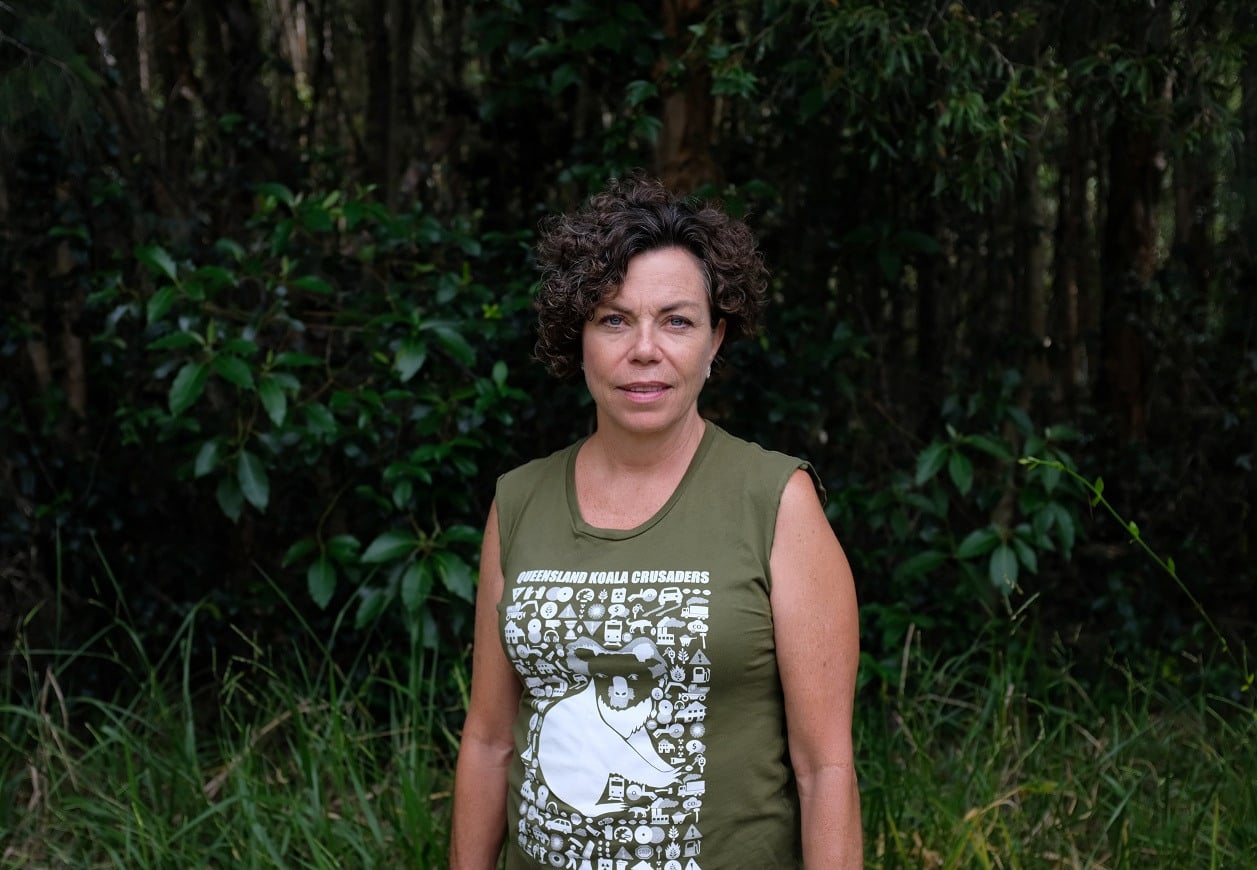
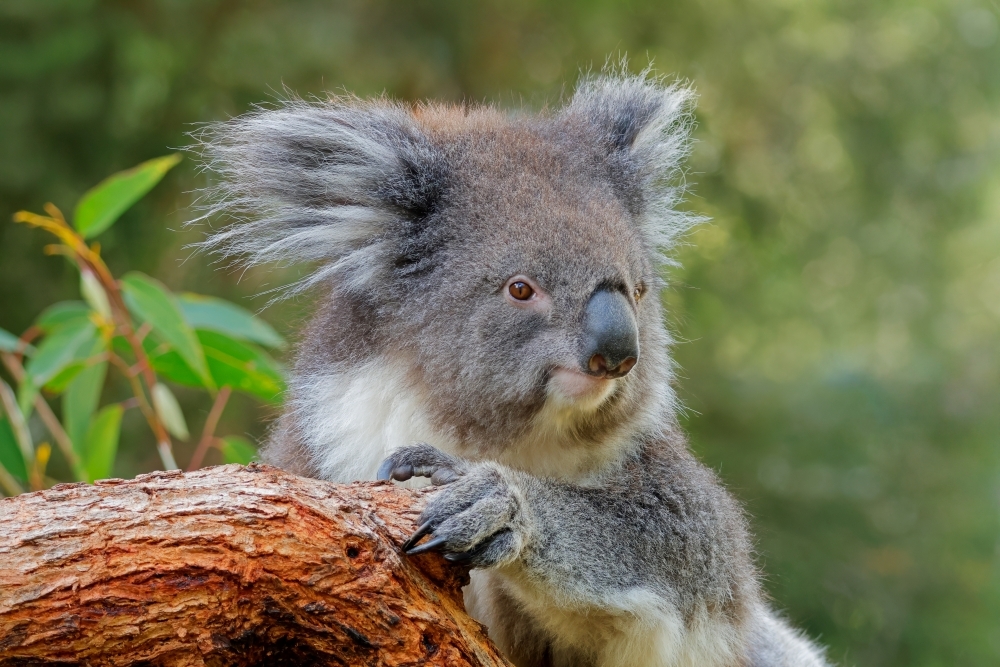
“If you look at a koala straight-on, they're very similar to humans," says Meghan Halverson, Ambassador and co-founder of Koala Crusaders in South East Queensland. "They have expressions, and something about being in their presence seems ancient and iconic."
“Because I came to Australia as an outsider originally, the first two things I wanted to see were koalas and kangaroos. If you talk to anyone who's travelling here from overseas, you'll hear that same thing over and over again—'Where can I see a koala? Where can I see a kangaroo?'"
"These species are unique to Australia and found nowhere else in the world.”
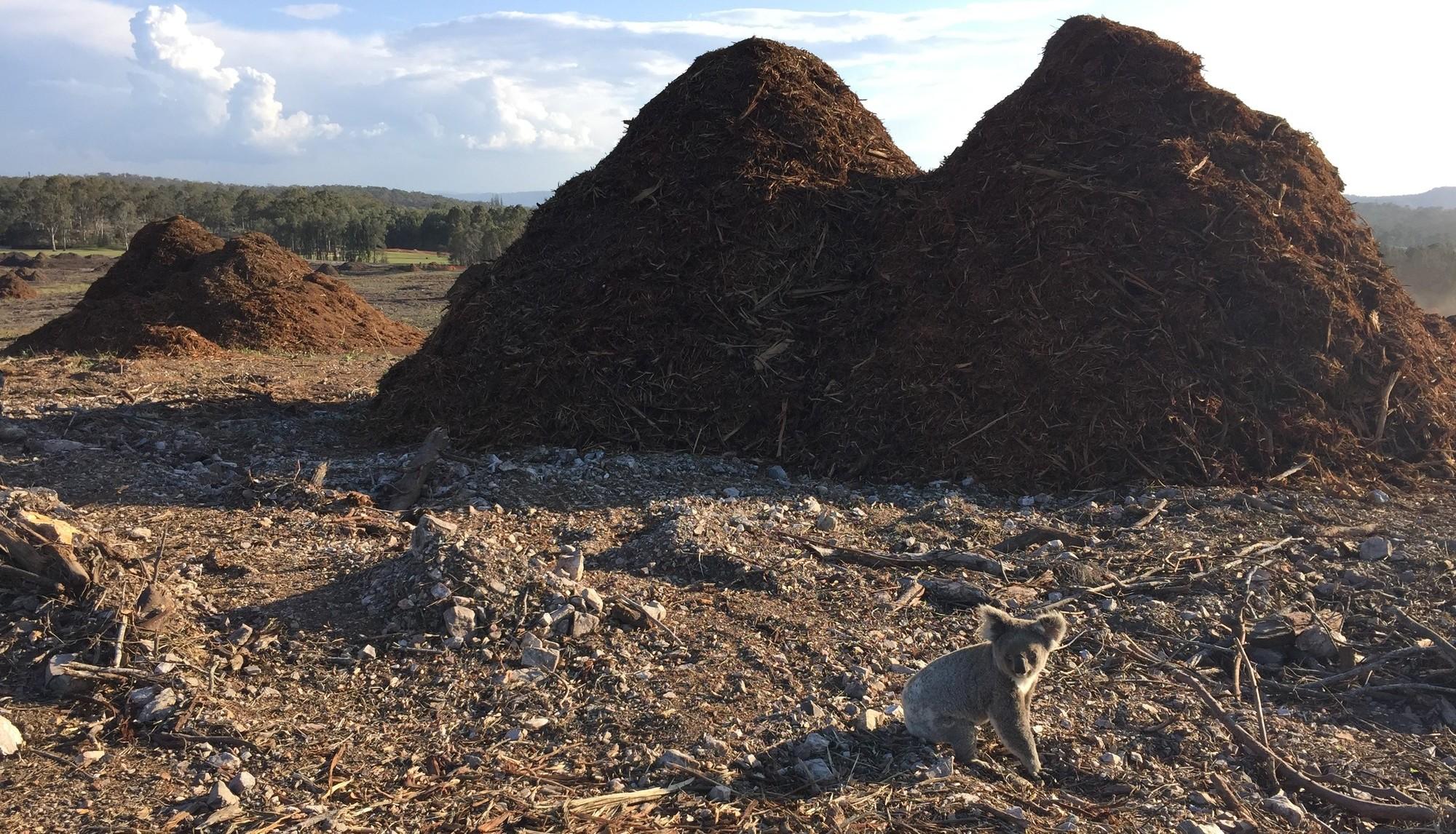
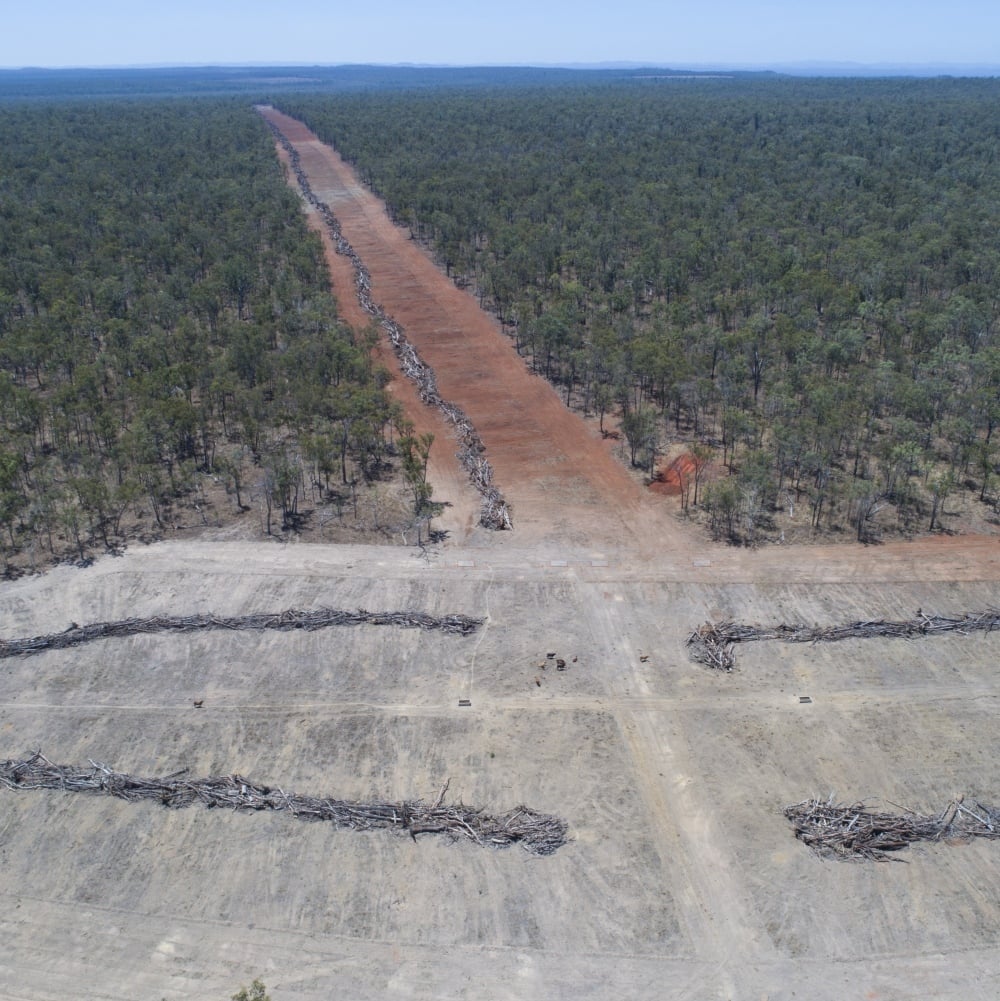
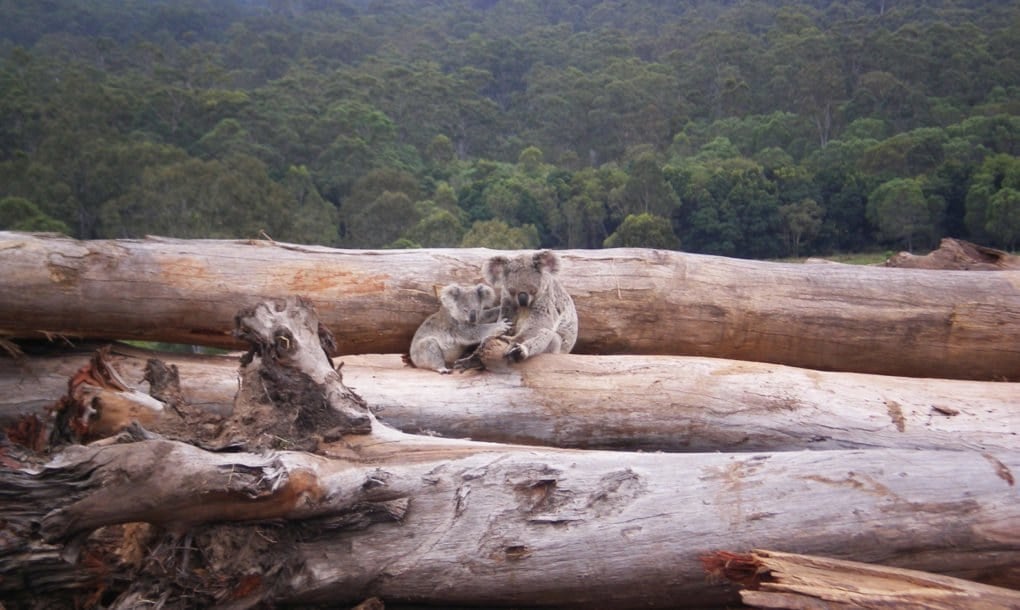
The biggest problem koalas face is the destruction of their forest homes.
Right now, koalas are losing their homes because of:
It’s not just the destruction of forests that place koalas in danger.
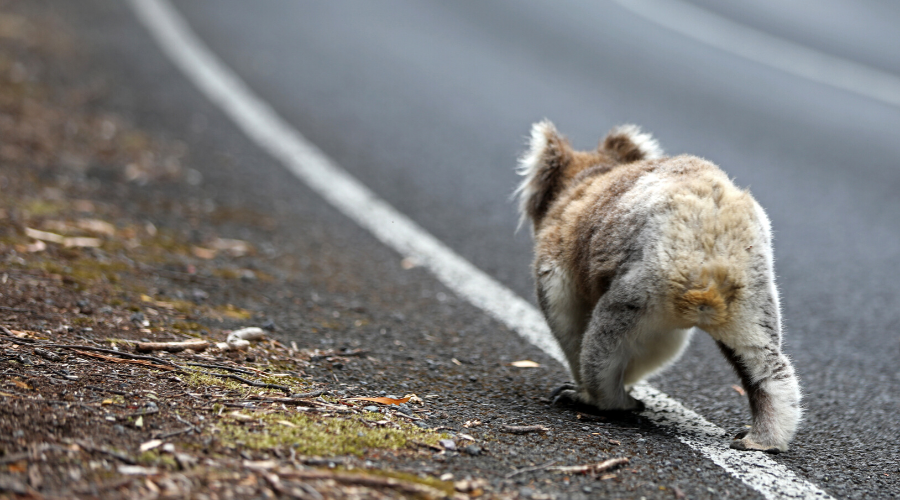
Fragmenting koala habitat—breaking up the forest to create separate, isolated patches—means koalas may have to cross busy roads and backyards to find new food sources and other koalas to mate with.
This can lead to car strikes and dog attacks.
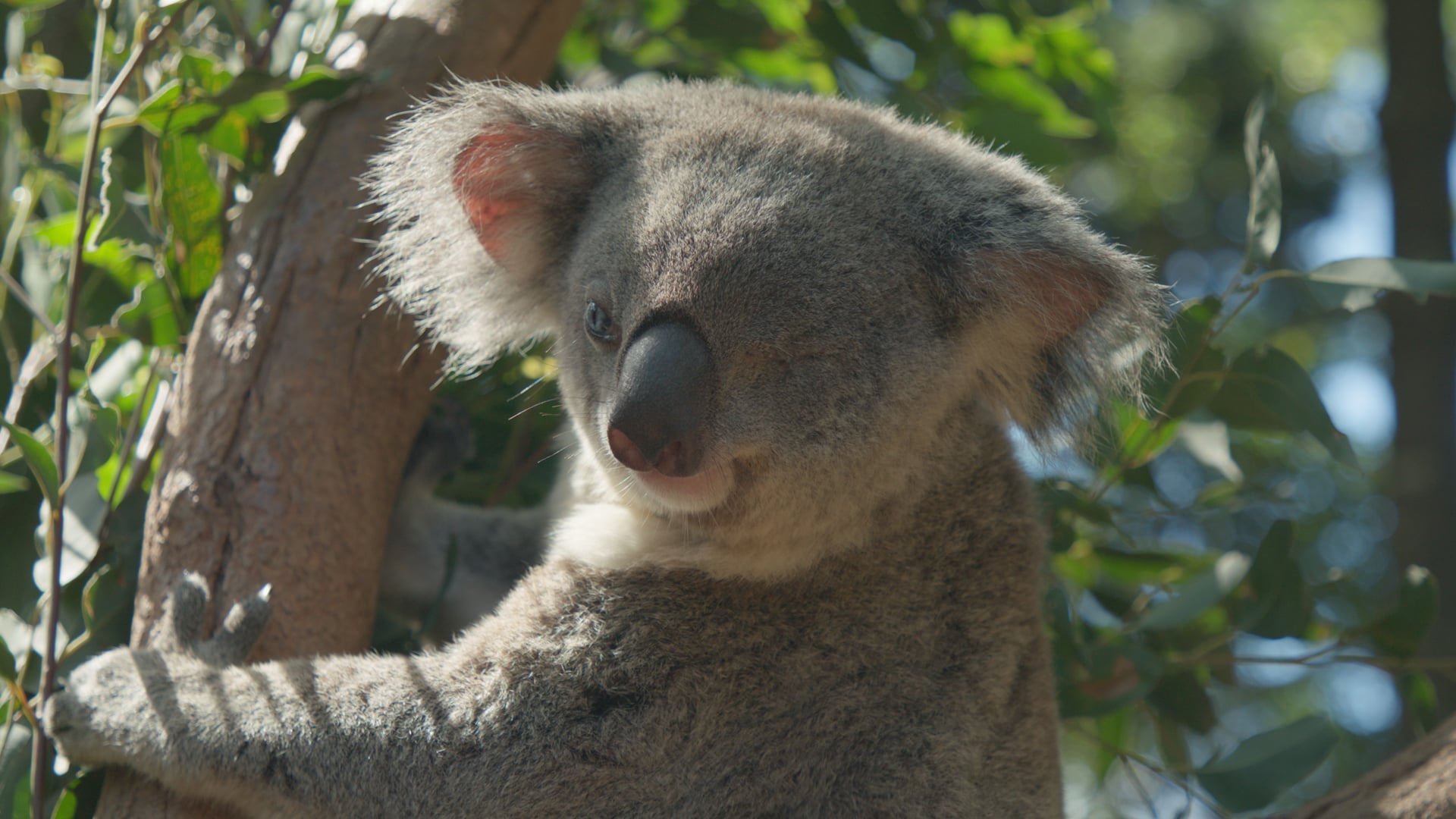
When forest is destroyed, koalas are forced into smaller areas, which can cause stress, overcrowding and inbreeding.
This can lead to koalas contracting diseases like chlamydia, which can cause blindness, severe urinary tract infections ("wet bottom") and leave them infertile—unable to have babies.
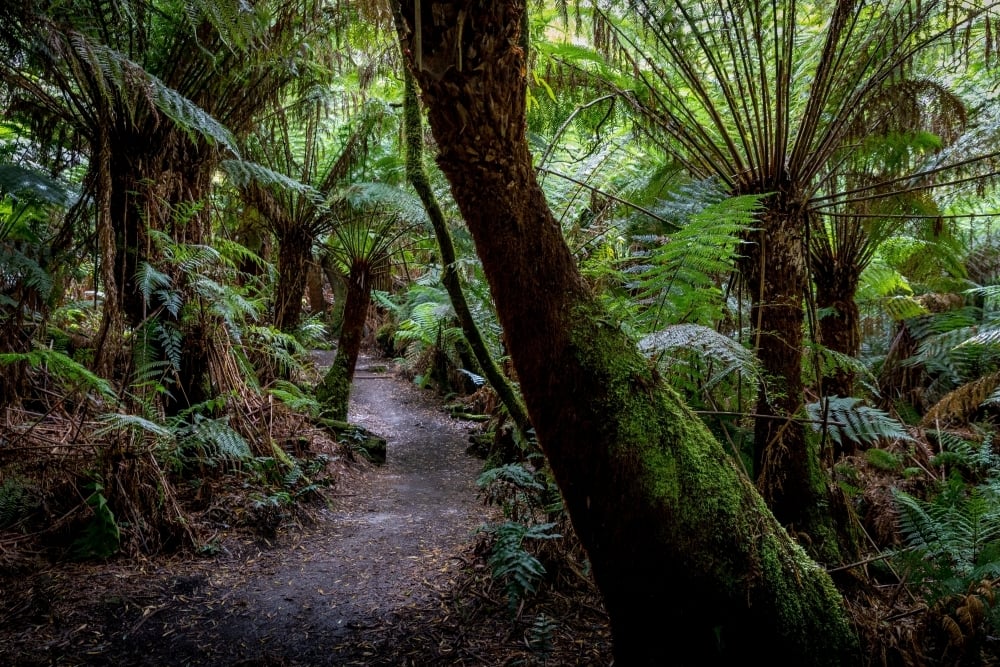
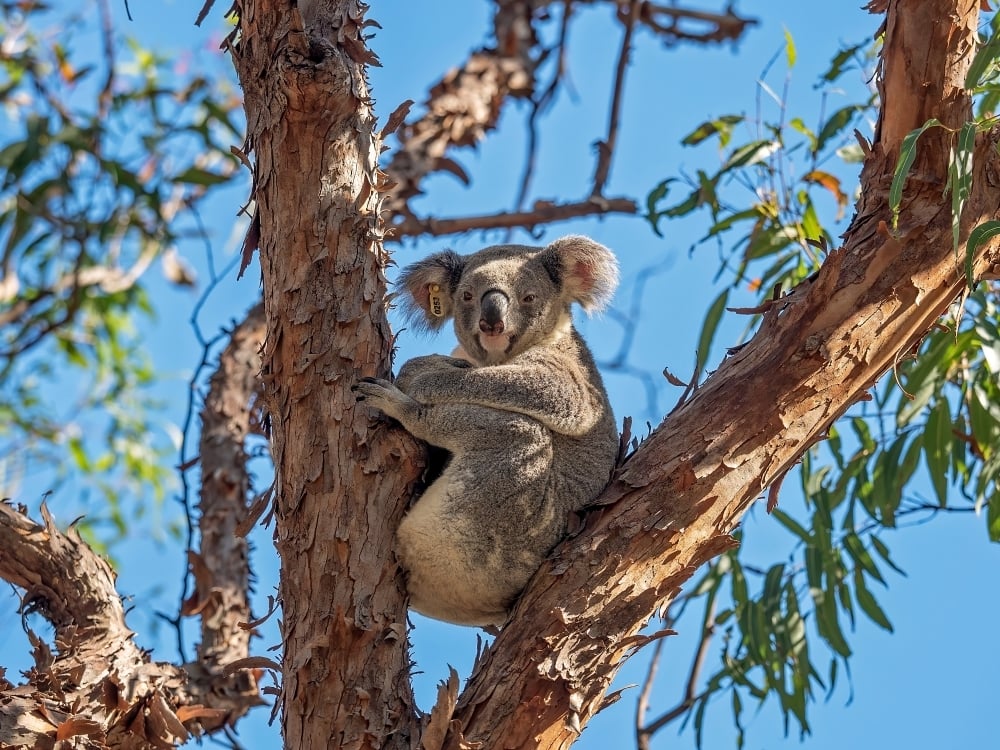
If you're driving the Great Ocean Road, make sure you take the time to explore the wild beaches, tall eucalypt forests and fern-lined creeks of Great Otway National Park. Walk the forested banks of Kennett River that cuts a path through its namesake town (there's even a Kafe Koala) on the edge of the national park, keeping your eyes peeled for balls of grey fur in the trees. You can also catch sight of koalas in the forests around Cape Otway, which you'll pass through on the multi-day Great Ocean Walk. Photo: MPIX
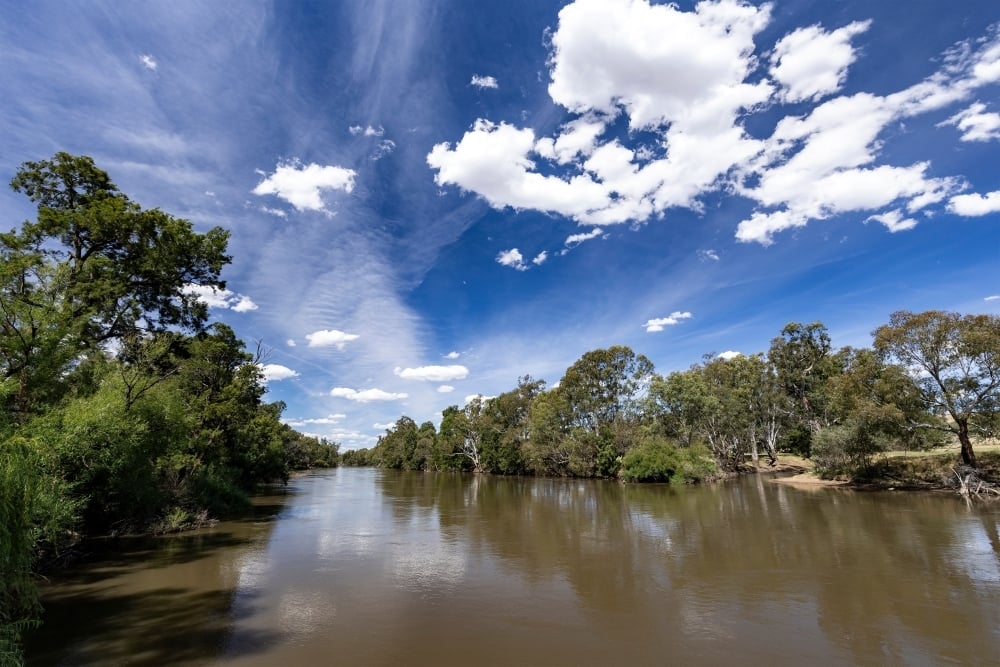
There's a special place within this national park, just outside the town of Narrandera, that does what it says on the tin. The park's Koala Reserve is an ideal spot to look for the population of some 200 koalas that sit in the river red gums lining the Murrumbidgee River. On hot days they like to rest in branches that hang out over the water. Photo: Ken Griffiths
On the south-side of inner-city Meanjin / Brisbane lies a patch of remnant bushland where koala spotting is all but guaranteed. In the reserve's 170 hectares, there are estimated to be anywhere from 50-100 koalas—the largest and healthiest koala population in the city. If you're having trouble, look to the path for clues—often you'll see arrows and dates marked in chalk, showing you where to look for recently spotted koalas. Photo: Jackson Stock Photography
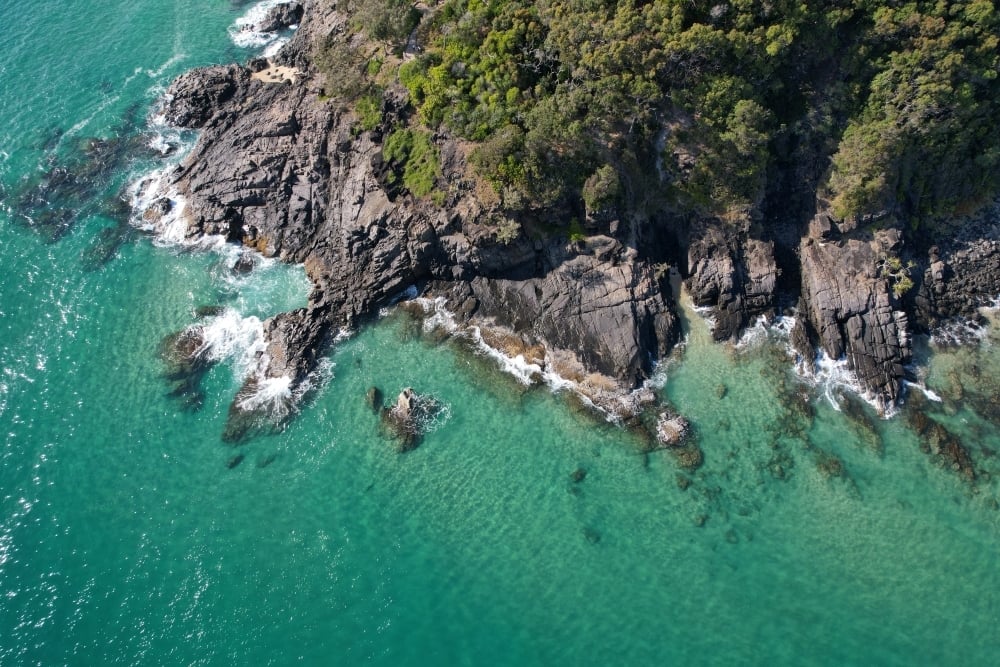
With 15km of hiking trails, you can do this national park on the Sunshine Coast in a day. Walks take you along the clifftops of Noosa Headland, with white-sand beaches and secluded coves below—keep an eye out for pods of dolphins! Once you've spotted koalas sleeping up in the stands of eucalypt woodlands, cool off in Noosa National Park's Fairy Pools: crystal-clear tidal pools set within the granite rock of the headland. Photo: Joseph Davison
This entry is a little unusual in that it's the location of an introduced population of koalas, but no less special for it. Mikkira Homestead, not far from Port Lincoln on the Eyre Peninsula, dates back to 1843, and you can wander the old sheep station among the Manna gums looking for koalas. They can often be found sitting at eye level in the trees, providing you with a rare opportunity to meet them face to face—keeping a respectful distance of course!